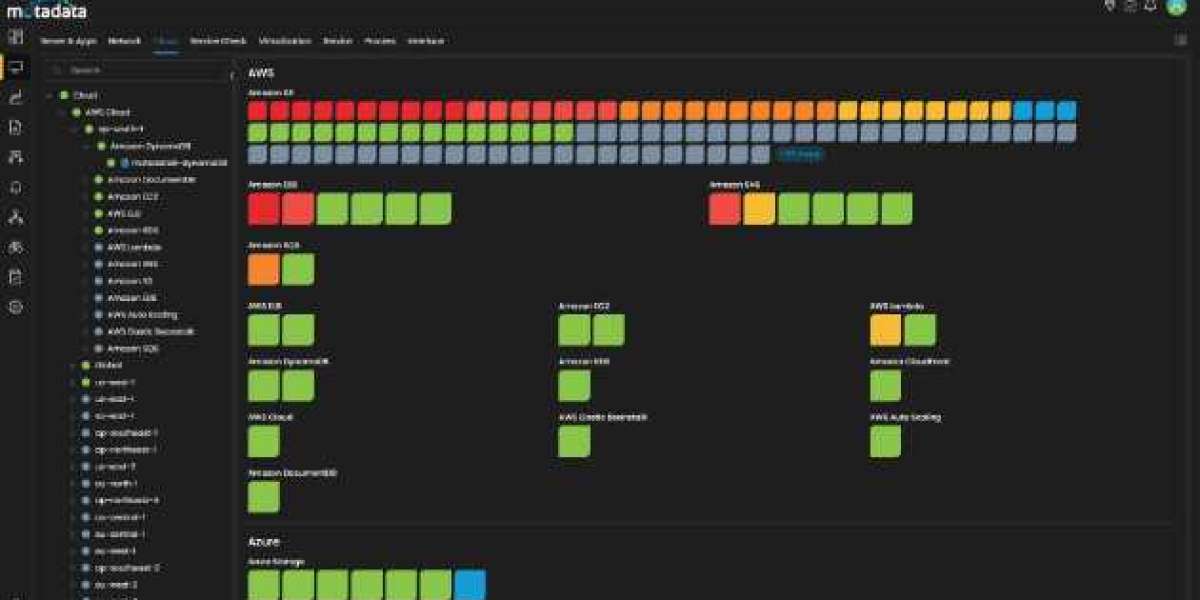

In today’s digital-first world, applications play a critical role in business success. Whether it is a web application, mobile app, or enterprise software, users expect fast, reliable, and seamless performance at all times. Even minor performance issues can lead to poor user experience, lost revenue, and damage to brand reputation. This is where Application Performance Monitoring (APM) becomes essential. APM helps organizations monitor, analyze, and optimize application performance in real time.
What Is Application Performance Monitoring?
Application Performance Monitoring is the practice of tracking and managing the performance, availability, and behavior of software applications. APM tools collect data from various components of an application, including servers, databases, APIs, and user interactions. By analyzing this data, businesses can detect performance bottlenecks, identify errors, and resolve issues before they impact end users.

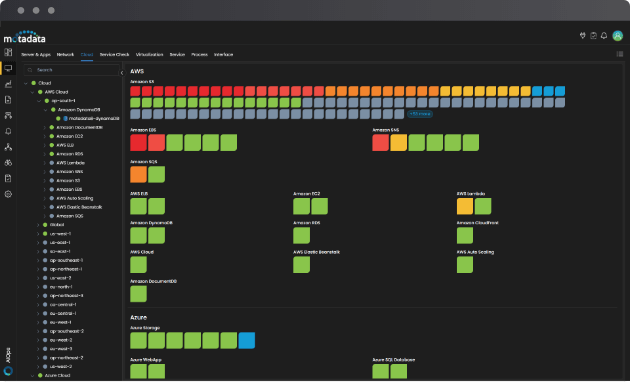
APM provides complete visibility into how an application performs across different environments such as development, testing, and production.
Key Components of APM
APM solutions typically focus on several core areas. Real-time monitoring tracks response times, transaction speed, and system health. Error tracking identifies application crashes, failed transactions, and exceptions. Infrastructure monitoring measures server load, memory usage, and network performance. User experience monitoring analyzes how real users interact with the application, helping teams understand performance from the customer’s perspective.
Together, these components give IT teams a comprehensive view of application behavior.
Benefits of Application Performance Monitoring
One of the primary benefits of APM is faster issue detection and resolution. Instead of reacting to customer complaints, teams can proactively identify problems and fix them before they escalate. This reduces downtime and ensures business continuity.
APM also improves user experience. By monitoring response times and transaction performance, organizations can ensure applications run smoothly, even during peak traffic. A faster and more stable application leads to higher customer satisfaction and retention.
Another important benefit is improved operational efficiency. APM tools provide detailed insights that help developers and IT teams pinpoint the root cause of performance issues. This reduces troubleshooting time and allows teams to focus on innovation rather than constant firefighting.
APM in Modern Application Environments
Modern applications are often built using microservices, cloud infrastructure, and third-party integrations. These complex environments make performance monitoring more challenging. APM tools are designed to handle this complexity by providing end-to-end visibility across distributed systems.
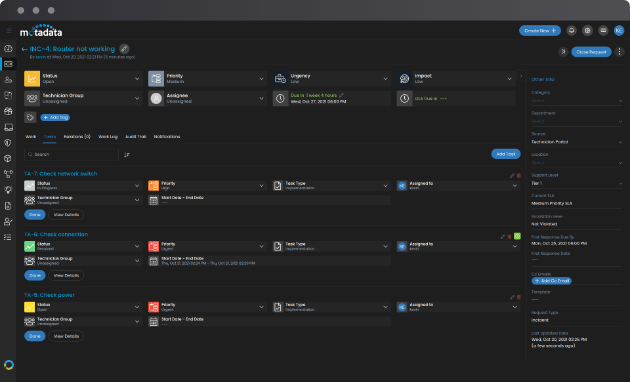
Cloud-based APM solutions support dynamic scaling and hybrid environments, making them ideal for modern DevOps and agile teams. Integration with CI/CD pipelines also helps teams monitor performance throughout the development lifecycle.
Business Value of APM
From a business perspective, Application Performance Monitoring directly impacts revenue and brand reputation. Slow or unstable applications can lead to abandoned transactions and customer dissatisfaction. APM ensures applications remain reliable, helping businesses maintain trust and competitive advantage.
APM data also supports better decision-making by providing insights into application usage patterns and system performance trends.
visit now for about us :- patch management software
Conclusion
Application Performance Monitoring is a vital tool for businesses that rely on digital applications. By providing real-time visibility, faster troubleshooting, and improved user experience, APM helps organizations deliver high-performing and reliable software. In an increasingly competitive digital landscape, investing in a strong APM strategy is essential for long-term success.