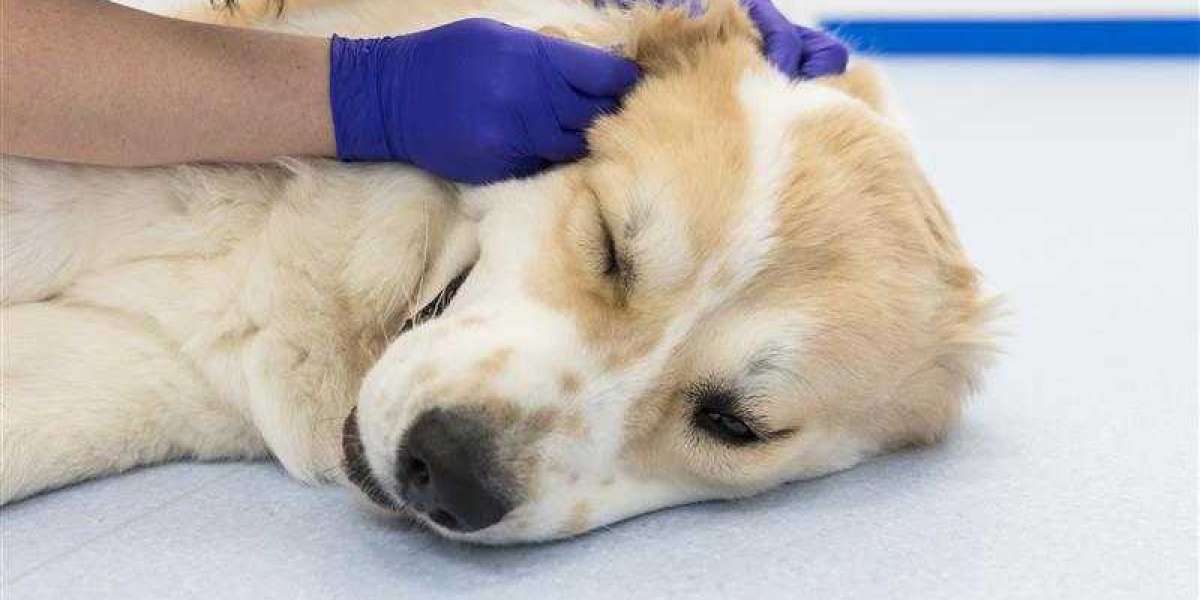

Saying goodbye to a beloved pet is one of the most difficult experiences a family can face. When treatment no longer improves comfort, many owners begin exploring compassionate end of life care for pets. In recent years, at-home pet euthanasia has become an increasingly thoughtful choice for families who want their companion’s final moments to be calm, familiar, and stress-free.
Choosing to euthanize at home allows pets to remain in a space they recognize, surrounded by loved ones. This guide explains how at-home euthanasia works, why families choose it, and how supportive pet care options help owners navigate this emotional transition with clarity and compassion.
Understanding When It Is Time: Quality of Life Considerations
An important part of end of life care for pets is recognizing when comfort should take priority over continued treatment. Veterinarians often use quality-of-life assessments to help families make informed, compassionate decisions.
These assessments may include:
- Ongoing changes in appetite or eating habits
- Difficulty walking, standing, or moving comfortably
- Chronic pain that no longer responds to medication
- Changes in breathing, behavior, or awareness
- Loss of interest in daily activities
When multiple factors decline, choosing to euthanize at home may be the kindest way to prevent further suffering while preserving dignity.
Why Many Families Choose At-Home Pet Euthanasia
For many families, the decision to euthanize at home is rooted in the desire to reduce stress during a deeply emotional time. Veterinary clinics, car rides, and unfamiliar surroundings can cause anxiety for pets, especially those who are elderly or unwell.
Benefits of at-home euthanasia often include:
- A peaceful, quiet environment
- Familiar surroundings that comfort the pet
- No rushed timelines or clinic pressures
- Privacy to grieve openly
- More control over the experience
This approach allows pet care at the end of life to focus entirely on comfort, connection, and compassion.
Step-by-Step Overview of the Euthanasia Process
Understanding what happens during at-home euthanasia can help families feel prepared and supported. While every veterinarian approaches the process with care, the steps generally remain consistent.
Gentle Sedation
The veterinarian begins with gentle sedation so the pet can fully relax. This allows the pet to drift into a peaceful sleep without fear or discomfort.
Final Euthanasia Medication
Once sedation is complete, the euthanasia medication is administered. This medication works by gently stopping heart function. The process is painless and calm.
Time for Goodbyes
Families are encouraged to stay close, speak softly, and spend time with their pet. The atmosphere remains unhurried, allowing meaningful goodbyes in a familiar space.
Cremation Services and Aftercare Options
After a pet has passed, families may choose aftercare options that align with their personal wishes and beliefs.
Private Cremation
With private cremation, pets are cremated individually, and ashes are returned to the family in an urn. Many families select this option to create a personal memorial.
Communal Cremation
Communal cremation involves cremating pets together, with ashes not returned. This option is often chosen for its simplicity while still ensuring respectful handling.
Keepsakes and Urns
Keepsakes such as paw prints, engraved urns, or memorial boxes can provide comfort and preserve lasting memories of the bond shared.
Veterinary providers typically arrange transportation and aftercare services, helping families focus on healing rather than logistics.
How At-Home Euthanasia Supports Families Emotionally
The emotional impact of losing a pet can be overwhelming. At-home euthanasia allows families to grieve in a familiar, private environment, which many find deeply comforting.
Emotional benefits often include:
- Reduced stress for both pets and owners
- Space for personal rituals or reflection
- Opportunities for children to participate gently
- Freedom to grieve openly and privately
- A sense of peace knowing the pet felt safe
This form of end of life care for pets supports emotional wellbeing alongside physical comfort.
Supporting Your Pet During End of Life Care
Before euthanasia becomes necessary, families often focus on comfort-centered pet care at home. This may include pain management, mobility assistance, hydration support, and emotional reassurance.
As symptoms progress, veterinarians help families determine when comfort declines and guide them toward the option to euthanize at home with clarity and compassion.
What to Expect During an At-Home Appointment
During an at-home appointment, the veterinarian maintains a calm and respectful atmosphere. Families can choose a favorite room, prepare familiar bedding, and gather loved ones who wish to be present.
The focus remains entirely on the pet’s comfort and the family’s emotional needs, ensuring the experience feels personal rather than clinical.
Aftercare and Healing
Healing after pet loss takes time. Some families create memorials, photo albums, or memory boxes, while others prefer quiet reflection. Grief looks different for everyone, and allowing space for that process is essential.
Conclusion
Choosing at-home pet euthanasia services is a compassionate decision that prioritizes comfort, dignity, and peace. Families who choose to euthanize at home often find reassurance in the familiar environment and gentle approach these services provide. With thoughtful end of life care for pets, caring guidance, and supportive pet care, pets can pass surrounded by love in the place they feel safest.
Independent providers such as Comfort Paws Vet offer at-home euthanasia and supportive services designed to help families navigate this emotional journey with understanding and care.