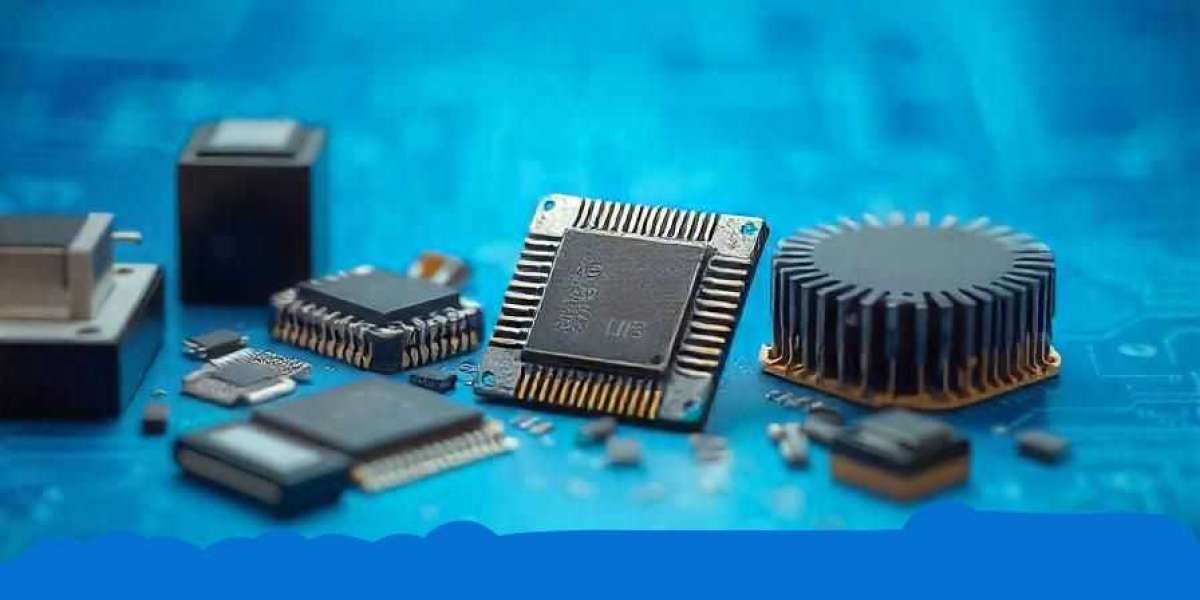
A modular factory is an innovative manufacturing setup designed using prefabricated and standardized modules that can be easily assembled, expanded, or relocated. Unlike traditional factories that require long construction timelines and heavy capital investment, modular factories offer flexibility, speed, and cost efficiency. As industries adapt to changing market demands and technological advancements, modular factories are emerging as a smart solution for modern manufacturing.
One of the key advantages of a modular factory is its fast deployment. Factory modules are manufactured off-site in controlled environments and then transported to the desired location for quick installation. This significantly reduces construction time, allowing businesses to start operations much faster than with conventional factory buildings. For startups and growing enterprises, this speed provides a competitive edge in entering new markets.
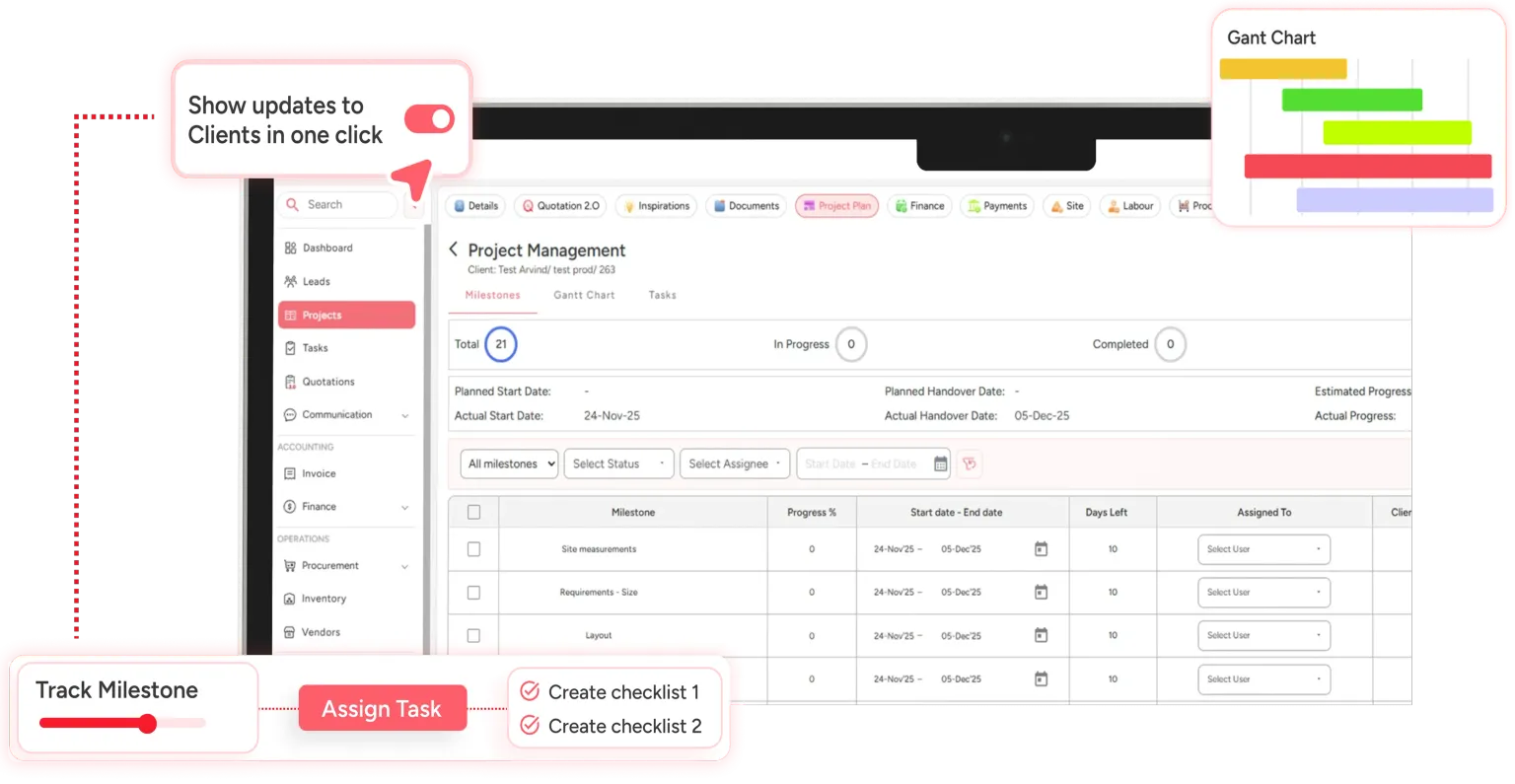
Scalability and flexibility are major benefits of modular factories. Businesses can easily add, remove, or rearrange modules based on production requirements. If demand increases, additional modules can be integrated without disrupting existing operations. Similarly, if a company needs to downsize or relocate, modular structures can be dismantled and reused at another site. This adaptability makes modular factories ideal for industries with fluctuating production volumes.
Read more :- material inventory management software
Modular factories are also known for their cost-effectiveness. Since modules are standardized and produced in bulk, construction costs are lower compared to traditional factories. Reduced on-site labor, minimal material wastage, and shorter project timelines further help in saving costs. Additionally, predictable construction expenses make budgeting easier for manufacturers.
Another important aspect of modular factories is sustainability. These factories are designed to minimize environmental impact by reducing construction waste and energy consumption. Many modular units are built using eco-friendly materials and can be equipped with energy-efficient systems such as solar panels, rainwater harvesting, and smart lighting. This aligns with global sustainability goals and helps companies reduce their carbon footprint.

From a technology perspective, modular factories support smart manufacturing. They can be seamlessly integrated with automation systems, robotics, IoT devices, and digital monitoring tools. This enables real-time tracking of production, predictive maintenance, and improved operational efficiency. As Industry 4.0 continues to evolve, modular factories provide a future-ready infrastructure for digital transformation.
Industries such as electronics, pharmaceuticals, food processing, automotive, and renewable energy are increasingly adopting modular factory concepts. These sectors benefit from the clean, controlled, and customizable environments that modular designs offer. Governments and industrial developers are also promoting modular factories in industrial parks and smart cities to accelerate industrial growth.
visit now for about us :- procurement management
In conclusion, modular factories represent a modern approach to manufacturing that prioritizes speed, flexibility, sustainability, and technological integration. As businesses look for agile and efficient production solutions, modular factories are set to play a crucial role in shaping the future of industrial infrastructure. They are not just a trend but a strategic investment for long-term growth and competitiveness.