
Introduction
Asphalt hauling is a critical link between asphalt production plants and active paving sites. When hauling is done poorly, it leads to temperature loss, delays, material waste, and costly project setbacks. When done right, it keeps paving crews productive, surfaces consistent, and projects on schedule.
Professionals and business owners rely on experienced asphalt trucking providers to move hot mix asphalt and recycled millings safely and efficiently. From understanding equipment requirements to managing timing, regulations, and site coordination, asphalt hauling demands precision and industry knowledge especially in active markets like Columbus, Ohio.
This guide explains how asphalt hauling works, common challenges, best practices, and why choosing the right material hauling services directly impacts project success.
What Is Asphalt Hauling?
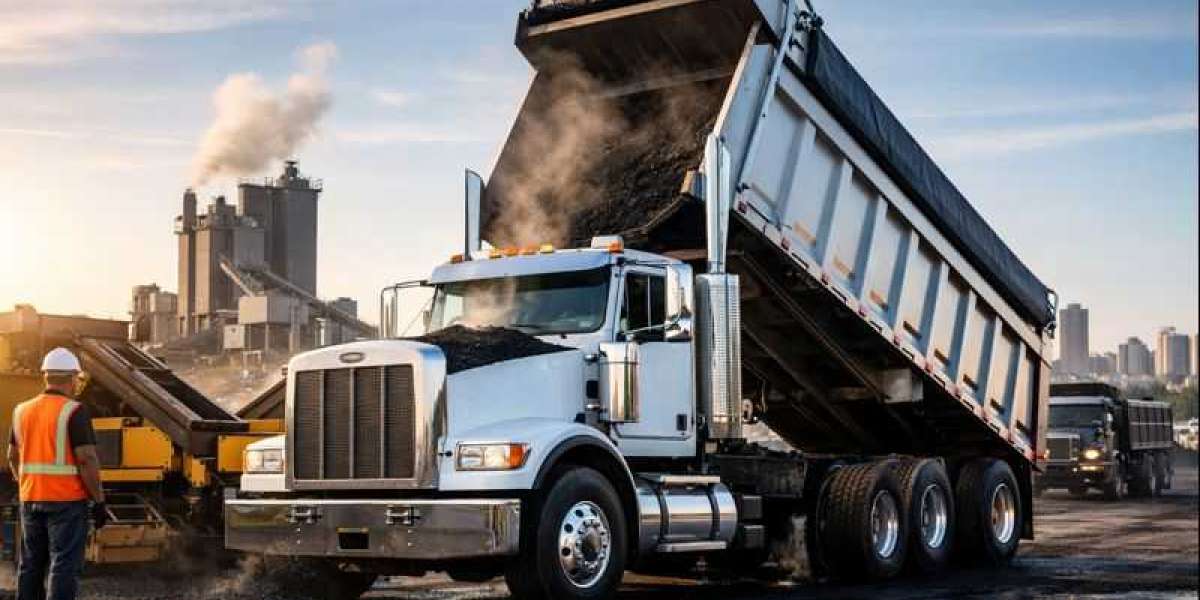
Asphalt hauling refers to the transportation of hot mix asphalt (HMA) or reclaimed asphalt pavement (RAP) from an asphalt plant to a job site using specialized dump trucks. The material must arrive within a specific temperature range to ensure proper compaction and surface performance.
Unlike general material transport, asphalt hauling is time-sensitive and quality-driven. Drivers, dispatchers, and paving crews must operate in sync to avoid temperature loss and downtime.
Materials commonly hauled include:
Hot mix asphalt
Warm mix asphalt
Asphalt millings (RAP)
Specialty mixes for commercial or roadway use
Why Professional Asphalt Trucking Matters
Experienced asphalt trucking providers understand that asphalt is not forgiving. Delays of even 10–15 minutes can reduce workability and compromise pavement integrity.
Professional hauling services offer:
Insulated dump beds to retain heat
Tarp systems to prevent cooling and contamination
Drivers trained in plant and site procedures
Accurate scheduling and load sequencing
For projects in and around Columbus, coordinating traffic patterns, plant wait times, and municipal rules is just as important as moving the material itself.
Asphalt Millings Hauling in Columbus
Columbus has a steady demand for paving due to road maintenance, commercial development, and municipal infrastructure upgrades. Asphalt millings hauling in Columbus requires familiarity with local conditions, including:
Urban traffic congestion
Job sites with limited access
State and city hauling regulations
Seasonal paving schedules
Recycled asphalt millings are frequently hauled from milling sites to recycling facilities or reused for base layers, driveways, and temporary roads. These materials require different handling than hot mix but still demand proper loading and secure transport.
Equipment Used for Asphalt Hauling
Dump Trucks
Most asphalt hauling is done using:
Tandem axle dump trucks
Tri-axle dump trucks
Quad axle dump trucks for heavier loads
Each truck type is selected based on load weight, distance, and site access.
Insulation and Tarps
Insulated beds and automated tarping systems are essential to:
Maintain required asphalt temperature
Protect material from wind and moisture
Meet safety and DOT compliance standards
Common Challenges in Asphalt Hauling
Even well-planned projects can face hauling challenges:
Temperature loss: Caused by long distances or poor insulation
Plant delays: Queue backups during peak paving seasons
Traffic disruptions: Especially in urban Columbus corridors
Site readiness issues: Pavers not ready when trucks arrive
Professional material hauling services minimize these risks through dispatch coordination, experienced drivers, and contingency planning.
Best Practices for Reliable Asphalt Hauling
Contractors and project managers can improve outcomes by following proven best practices:
Schedule hauling windows tightly with plant production
Confirm site readiness before dispatch
Use trucks sized appropriately for the project
Communicate real-time updates between drivers and crews
Work with haulers experienced in asphalt, not general freight
These practices reduce downtime and protect asphalt quality from plant to pavement.
Safety and Regulatory Considerations
Asphalt hauling must comply with:
DOT weight limits
Load securement regulations
Truck inspection requirements
Worker safety protocols on-site
Drivers must be trained to handle hot materials safely and follow proper dumping procedures to avoid accidents or equipment damage.
In Ohio, compliance with state hauling laws and local job site rules is non-negotiable for professional operations.
How Material Hauling Services Support Paving Projects
Material hauling services do more than move asphalt. They help manage logistics, reduce risk, and keep paving operations efficient.
Key benefits include:
Predictable delivery timing
Reduced material waste
Better crew productivity
Improved pavement quality
For business owners and contractors, dependable hauling partners directly protect profit margins and project timelines.
FAQs: Asphalt Hauling
What is asphalt hauling used for?
Asphalt hauling is used to transport hot mix asphalt or recycled millings from production plants or milling sites to paving locations. It ensures material arrives at the correct temperature and time for proper placement and compaction on roads, parking lots, and commercial surfaces.
How far can asphalt be hauled safely?
Most hot mix asphalt is hauled within 30–60 minutes of plant time. Beyond that, temperature loss becomes a concern. Insulated trucks, proper tarping, and efficient routing help extend workable hauling distances when needed.
What is the difference between asphalt hauling and asphalt trucking?
Asphalt hauling refers to the service as a whole, including logistics and material handling. Asphalt trucking specifically focuses on the vehicles and drivers transporting the asphalt. Professional providers combine both for reliable delivery.
How are asphalt millings transported?
Asphalt millings are hauled using dump trucks from milling sites to recycling facilities or reuse locations. Unlike hot mix, millings do not require insulation but must still be securely loaded and properly weighed.
Why is timing critical in asphalt hauling?
Asphalt must stay within a specific temperature range for proper compaction. Delays can cause cooling, leading to poor surface quality, cracking, or premature failure. Precise timing keeps paving crews productive.
What should contractors look for in asphalt hauling services?
Contractors should look for experience with asphalt materials, insulated equipment, reliable dispatch coordination, knowledge of local regulations, and proven performance on similar projects.
Is asphalt hauling regulated in Ohio?
Yes. Asphalt hauling in Ohio must comply with DOT weight limits, safety regulations, truck inspections, and job site rules. Experienced haulers understand and follow these requirements.