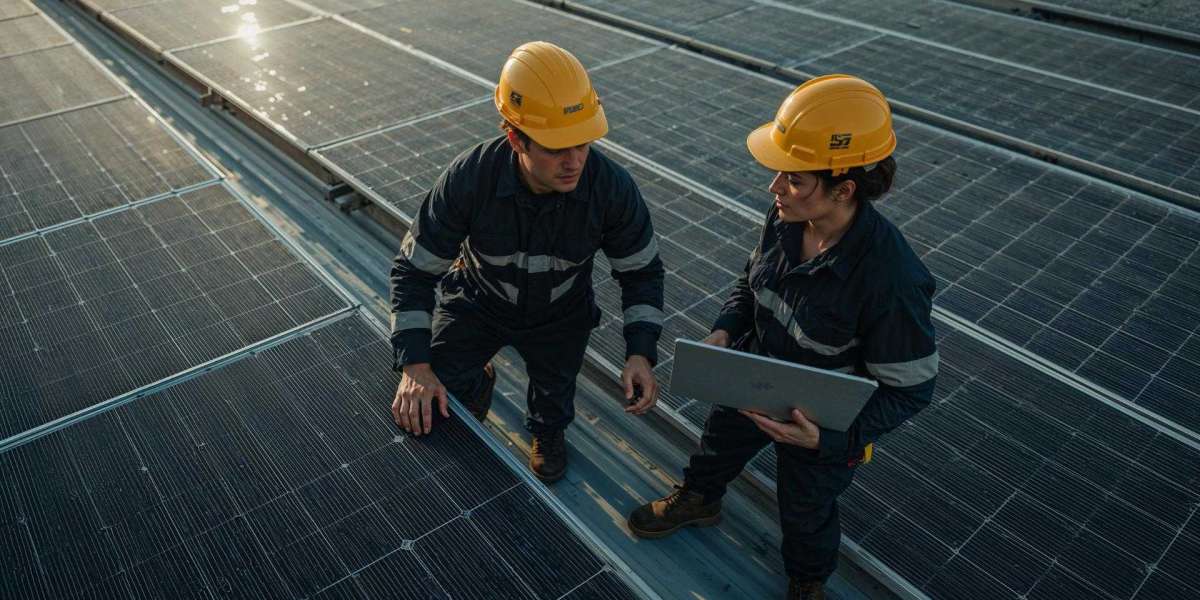

Construction and energy management are no longer separate disciplines. In the modern landscape of infrastructure development, they are intrinsically linked. A building is no longer just a static shell; it is a dynamic system that must generate energy, withstand environmental stressors, and endure for decades.
For developers, architects, and property owners, the challenge lies in balancing these requirements. How do you create a structure that is aesthetically pleasing, structurally sound, and energy-efficient? The answer lies in rigorous engineering and precise design. Whether it is retrofitting a warehouse with renewable energy solutions or calculating the load-bearing capacity of a high-rise, the planning phase dictates the success of the project.
At Integra, we recognize that engineering is the bridge between a vision and reality. It requires a mastery of materials and a deep understanding of environmental forces. This article explores the critical importance of specialized design in two key areas: renewable energy implementation in the Middle East and the fundamental integrity of reinforced concrete.
Optimizing Renewable Energy in the Middle East
The global shift toward renewable energy is undeniable, but the application of these technologies varies significantly depending on geography. What works in Northern Europe often fails in the Gulf region due to extreme heat, dust, and wind patterns. This is where specialized engineering becomes non-negotiable.
Solar panel design uae presents a unique set of challenges and opportunities that generalist solutions often overlook. The United Arab Emirates offers some of the highest solar irradiance rates in the world, making it an ideal location for photovoltaic systems. However, the intense heat can actually degrade the efficiency of panels if airflow and cooling aren't factored into the layout. Furthermore, sand and dust accumulation can reduce output by up to 60% if the tilt angle and cleaning mechanisms aren't optimized during the design phase. At Integra, we approach solar design not just as an electrical installation, but as an aerodynamic and thermodynamic engineering challenge, ensuring systems are rugged enough to handle the desert climate while maximizing energy yield.
The Hidden Complexity of Solar Integration
Many property owners assume that switching to solar is a simple "plug-and-play" process. In reality, the efficiency of a solar system is determined long before the first panel is bolted down.
Structural Analysis and Wind Loads
Adding a solar array to a roof adds significant weight. This is known as "dead load." However, the more dangerous factor is often the "live load"—specifically, wind. Solar panels act like sails. If they are not aerodynamically positioned, a strong gust can rip them from their mountings or, worse, damage the roof structure itself.
Professional design includes a thorough structural analysis of the existing building. Engineers must calculate whether the roof trusses or concrete slab can handle the additional weight and the uplift forces generated by wind. This is particularly crucial for high-rise buildings where wind speeds accelerate at higher altitudes.
Shadow Analysis and Yield Optimization
A panel that sits in the shade is a wasted asset. Engineering software now allows designers to simulate the path of the sun throughout the entire year. This modeling helps identify potential obstructions—such as AC units, parapet walls, or neighboring buildings—that might cast shadows during peak generation hours.
By optimizing the string configuration (how panels are wired together), engineers ensure that shade on one panel doesn't drag down the performance of the entire array. This meticulous planning is the difference between a system that pays for itself in five years versus one that takes fifteen.
The Backbone of Construction: Concrete
While renewable energy represents the future of building operations, concrete remains the bedrock of physical infrastructure. It is the most widely used man-made material on earth, yet it is frequently misunderstood. Concrete is not a single, uniform substance; it is a composite material that behaves differently under tension and compression.
The longevity of any structure—be it a commercial complex, a bridge, or a residential villa—depends entirely on the quality of its structural design. This goes beyond simply ensuring the building doesn't fall down. It involves controlling deflection (bending), preventing unsightly or dangerous cracking, and ensuring the steel reinforcement within the concrete is protected from corrosion.
Modern Challenges in Structural Engineering
The demands on modern structures are higher than ever before. Architects are pushing for wider open spaces with fewer columns, developers want thinner slabs to maximize ceiling height, and regulations regarding seismic safety are becoming stricter.
The Role of Reinforcement
Concrete is incredibly strong when squeezed (compression) but brittle when stretched (tension). Steel reinforcement bars (rebar) are introduced to handle the tension. The placement, diameter, and grade of this steel must be calculated with extreme precision.
If a design is "over-engineered" with too much steel, it wastes money and can actually make the concrete difficult to pour, leading to voids and honeycombing. If it is "under-engineered," the structure faces catastrophic failure risks. Finding the mathematical "sweet spot" is where the expertise of firms like Integra becomes vital.
Durability and Environmental Attack
In coastal regions or areas with high saline groundwater, concrete faces a silent enemy: chloride attack. Salt penetrates the porous concrete and rusts the steel inside. As steel rusts, it expands, cracking the concrete from the inside out. This is known as "spalling."
Advanced structural design combats this by specifying the correct concrete mix design—adjusting the water-cement ratio and using additives like silica fume to make the concrete less permeable. The "cover" (the distance between the outer surface of the concrete and the internal steel) is also strictly dictated by the design to provide a sufficient buffer against the elements.
Navigating the Design Phase
The design of concrete structures is a rigorous process that combines physics, mathematics, and material science to ensure safety and serviceability. It begins with load calculation, factoring in everything from the weight of the furniture and people (live loads) to the weight of the building materials (dead loads) and environmental forces like wind or earthquakes. Engineers use sophisticated modeling software to simulate these stresses, identifying high-stress points that require additional reinforcement. At Integra, we strictly adhere to international codes such as ACI (American Concrete Institute) or Eurocode, ensuring that every beam, column, and slab is designed not just to stand up today, but to maintain its integrity for the lifespan of the building.
Partnering for Engineering Excellence
The success of any construction or energy project relies on the quality of the decisions made before ground is broken. Whether harnessing the power of the sun or pouring the foundations of a skyscraper, the margin for error is non-existent.
Poor design leads to cost overruns, safety hazards, and inefficient operations. Conversely, expert engineering unlocks value. It results in buildings that cool themselves more efficiently, generate their own power, and require less maintenance over time.
At Integra, we believe in a holistic approach to engineering. We merge the latest in renewable energy technology with time-tested structural principles. By prioritizing precision and sustainability, we help our clients build assets that are resilient, profitable, and ready for the future.