
The fashion industry is rapidly evolving, and online shopping is now a cornerstone of retail. While product images provide an initial impression, they often fail to convey the real texture, fit, and movement of clothing. This is where Fabric Try-On technology becomes essential. By simulating how fabrics drape, flow, and respond to motion on virtual models, Fabric Try-On allows shoppers to experience garments realistically, bridging the gap between physical stores and digital platforms.
How Fabric Try-On Enhances the Fashion Experience
Fabric Try-On leverages advanced 3D simulation and modeling to provide a realistic view of garments. Designers and retailers can visualize fabrics digitally, reducing the need for multiple physical samples while offering customers a more immersive experience.
Key Features of Fabric Try-On
Accurate Fabric Simulation – Shows how garments move and fold naturally.
True-to-Life Colors and Patterns – Ensures realistic representation under varying lighting.
Interactive Exploration – Customers can rotate, zoom, and view garments from multiple angles.
For designers, this reduces the development cycle, while retailers gain an interactive tool to engage shoppers and reduce uncertainty in online purchases.
Benefits for Designers and Retailers
Efficient Design Iterations – Test patterns, textures, and colors digitally.
Enhanced Customer Engagement – Interactive try-ons make online shopping more appealing.
Lower Return Rates – Customers make informed choices, reducing returns.
Brand Innovation – Offering cutting-edge technology strengthens brand perception.
Elevating Accessory Shopping with Bag Try-On
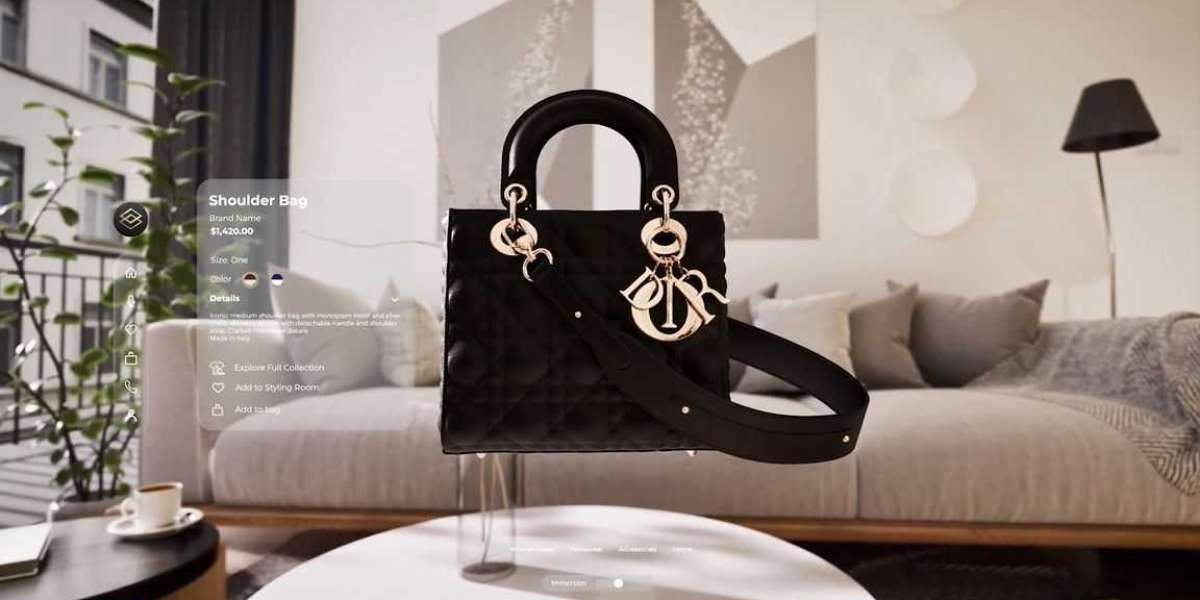
While Fabric Try-On focuses on garments, Bag Try-On brings virtual interactivity to accessories like handbags, backpacks, and clutches. This technology enables shoppers to see how bags fit with their outfits, how they appear when worn, and how they look from different angles, providing a realistic and engaging online shopping experience.
How Bag Try-On Works
Bag Try-On employs 3D modeling to recreate every detail of an accessory. Its features include:
Accurate Size and Proportions – Allows customers to assess fit and scale.
Realistic Material Representation – Displays textures, finishes, and patterns accurately.
Interactive Viewing – Rotate, zoom, and explore bags in full 3D.
This tool helps customers make confident purchase decisions while providing a dynamic, interactive shopping experience.
Advantages for Retailers
Increased Engagement – Shoppers spend more time exploring products.
Higher Conversions – Virtual try-ons encourage purchases.
Reduced Returns – Accurate visualization lowers incorrect orders.
Modern Brand Image – Shows innovation and dedication to customer experience.
Combining Fabric Try-On and Bag Try-On
When used together, Fabric Try-On and Bag Try-On create a fully immersive shopping ecosystem. Customers can try on garments and pair them with accessories virtually, understanding how fabrics and bags complement each other. This integrated approach replicates the in-store experience online, enhancing personalization and engagement.
Key Benefits
Complete Outfit Visualization – See how garments and accessories coordinate.
Interactive Shopping Experience – Encourages users to explore more products.
Efficient Design Process – Designers can review full outfits digitally.
Enhanced Customer Satisfaction – Personalized experiences build trust and loyalty.
Applications in Fashion
Luxury Brands – Showcase premium fabrics and intricate accessories virtually.
E-Commerce Retailers – Provide interactive and engaging online shopping experiences.
Marketing Campaigns – Utilize virtual try-ons for social media, advertisements, and promotions.
The Future of Virtual Try-On
As AI, 3D modeling, and AR/VR technologies advance, Fabric Try-On and Bag Try-On will continue to evolve. Future possibilities include:
Fully immersive virtual stores.
AI-assisted outfit recommendations pairing garments with accessories.
Customizable try-ons for a personalized shopping experience.
Brands adopting these tools today are positioning themselves at the forefront of digital fashion innovation.
Implementing Fabric Try-On and Bag Try-On
To maximize the benefits of these technologies, brands should:
Identify Target Products – Determine which garments and accessories benefit most from virtual try-on.
Choose the Right Platform – Ensure solutions are realistic, scalable, and user-friendly.
Train Your Team – Designers, marketers, and e-commerce staff should be proficient in using the tools.
Monitor Performance – Track engagement, conversion, and return metrics to measure impact.
Conclusion
The future of online fashion and accessories is immersive, interactive, and highly personalized. Technologies like Fabric Try-On and Bag Try-On empower customers to confidently visualize garments and accessories, while providing designers and retailers with tools to streamline workflows and enhance engagement.
By integrating Fabric Try-On and Bag Try-On, brands can deliver engaging, innovative, and realistic digital shopping experiences that increase customer satisfaction, reduce returns, and establish themselves as leaders in the digital retail space.