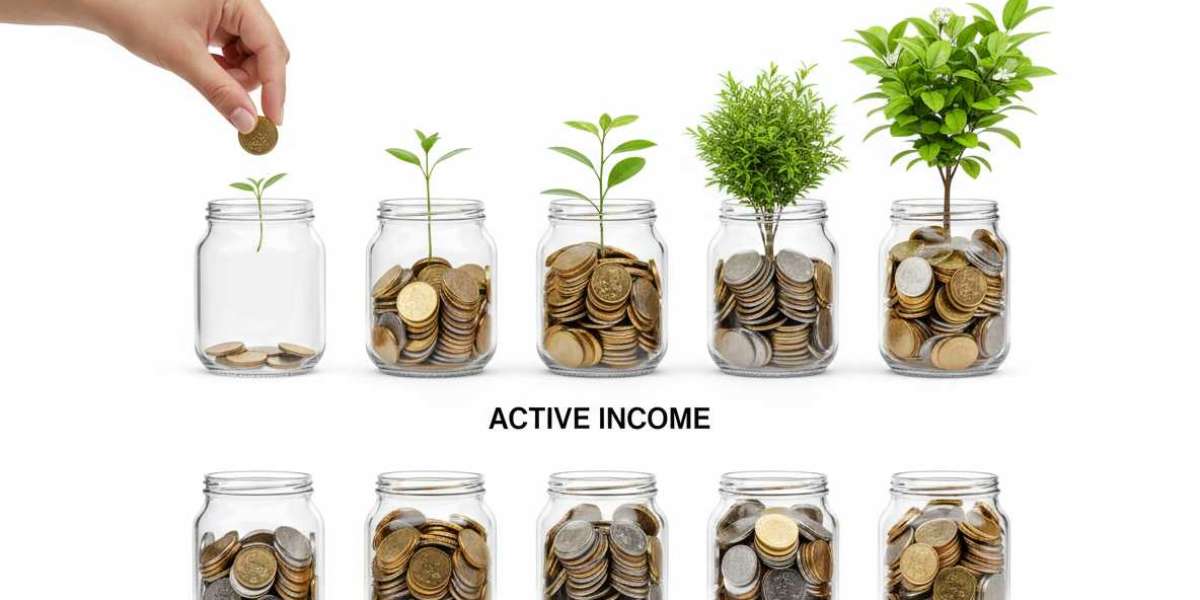

In today’s fast-changing financial landscape, relying on a single salary is no longer enough for long-term security. Rising living costs, job uncertainty, and lifestyle aspirations are pushing people to explore side income sources as a smart financial move. Whether you are a working professional, student, freelancer, or homemaker, building an additional income stream can help you reduce stress and create more financial freedom.
However, when people start researching side income sources, they often encounter two major categories: active income and passive income. While both can increase earnings, they work very differently. Understanding the difference between active and passive side income sources is essential to choosing the right path based on your time, skills, and goals.
This guide will help you clearly understand active vs. passive side income sources, their pros and cons, and how to decide which approach suits you best.
What Are Side Income Sources?
Side income sources are additional ways to earn money beyond your primary job or business. They are usually flexible, scalable, and can be started with minimal risk if planned properly. Many people use side income sources to pay off debt, save for emergencies, invest for the future, or simply improve their quality of life.
Side income sources can be broadly divided into:
Active side income sources
Passive side income sources
Both have value, but they require different levels of effort and patience.
Understanding Active Side Income Sources
Active side income sources require direct involvement and consistent effort. In simple terms, if you stop working, the income stops too. These income sources are often easier to start and provide quicker returns, making them popular among beginners.
Common Examples of Active Side Income Sources
Some popular active side income sources include:
Freelancing (writing, designing, programming, marketing)
Online tutoring or coaching
Consulting services
Part-time jobs
Selling handmade products or services
Content writing or SEO services
Social media management
Virtual assistance
These side income sources depend on your time, skills, and daily effort.
Advantages of Active Side Income Sources
1. Faster Earnings
Active side income sources usually start generating income quickly. Once you find clients or customers, payments can come within days or weeks.
2. Low Entry Barrier
Most active side income sources require little to no upfront investment. If you already have a skill, you can monetize it immediately.
3. Skill Development
Active work helps you develop valuable professional skills that can improve your main career or lead to better opportunities.
4. Better Control
You have more control over pricing, workload, and the type of work you accept.
Disadvantages of Active Side Income Sources
1. Time-Bound Income
Your earnings are limited by the number of hours you can work. This makes scaling difficult.
2. Burnout Risk
Balancing a job and active side income sources can lead to exhaustion if not managed carefully.
3. No Work, No Pay
If you take a break, fall sick, or stop working, the income usually stops instantly.
Understanding Passive Side Income Sources
Passive side income sources generate income with minimal ongoing effort after the initial setup. While they may require time, effort, or money at the beginning, they can continue earning even when you are not actively working.
Passive income is often misunderstood as “easy money.” In reality, most passive side income sources require patience, planning, and consistency before results appear.
Common Examples of Passive Side Income Sources
Some popular passive side income sources include:
Blogging and affiliate marketing
YouTube channels
Online courses and digital products
Stock market investments and dividends
Real estate rentals
Print-on-demand stores
Mobile apps or software tools
Royalties from books or music
These side income sources focus more on long-term growth.
Advantages of Passive Side Income Sources
1. Long-Term Income Potential
Passive side income sources can generate income for years once they are established.
2. Time Freedom
You are not required to work daily to earn money, giving you flexibility and work-life balance.
3. Scalability
Passive income can scale without proportionally increasing your effort.
4. Financial Stability
Multiple passive side income sources can protect you from income loss if one stream slows down.
Disadvantages of Passive Side Income Sources
1. Delayed Results
Passive income usually takes months or even years to show meaningful returns.
2. Initial Effort or Investment
Many passive side income sources require upfront work, learning, or financial investment.
3. Uncertainty
Income is not guaranteed and may fluctuate depending on market conditions, algorithms, or competition.
Active vs. Passive Side Income Sources: Key Differences
| Factor | Active Side Income Sources | Passive Side Income Sources |
|---|---|---|
| Time Requirement | Continuous effort | Minimal after setup |
| Income Speed | Fast | Slow initially |
| Scalability | Limited | High |
| Risk Level | Low to medium | Medium to high |
| Long-Term Growth | Limited | Strong |
Understanding these differences helps you make smarter financial decisions.
Which Side Income Sources Should You Choose?
The right choice depends on your personal situation. Ask yourself the following questions:
1. How Much Time Do You Have?
If you need immediate income and can spare a few hours daily, active side income sources are ideal. If you can invest time upfront and wait for results, passive income may suit you better.
2. What Are Your Skills?
Active side income sources are skill-driven, while passive side income sources are often system-driven.
3. What Is Your Financial Goal?
Short-term goals align better with active income. Long-term wealth creation works best with passive income.
4. Risk Tolerance
Active income usually carries less financial risk, while passive income may involve uncertainty and patience.
The Smart Approach: Combine Active and Passive Side Income Sources
The most effective strategy is not choosing one over the other but combining both.
Many financially successful people follow this path:
Start with active side income sources to generate immediate cash flow.
Use that income to build passive side income sources.
Gradually shift focus toward passive income for long-term freedom.
For example, a freelancer can use earnings to start a blog, create an online course, or invest in dividend stocks. This balanced approach reduces risk and increases stability.
Tips to Build Sustainable Side Income Sources
Start small and scale gradually
Focus on consistency over perfection
Reinvest earnings for growth
Track performance and adjust strategies
Avoid unrealistic expectations
Prioritize learning and self-development
Building reliable side income sources is a marathon, not a sprint.
Final Thoughts
Both active and passive side income sources play an important role in financial growth. Active income helps you earn quickly and develop skills, while passive income builds long-term wealth and freedom. Understanding their differences allows you to make informed decisions and create a balanced income strategy.
If your goal is financial security, flexibility, and future stability, exploring multiple side income sources is no longer optional, it is essential. Start where you are, use what you have, and build step by step toward a more secure financial future.