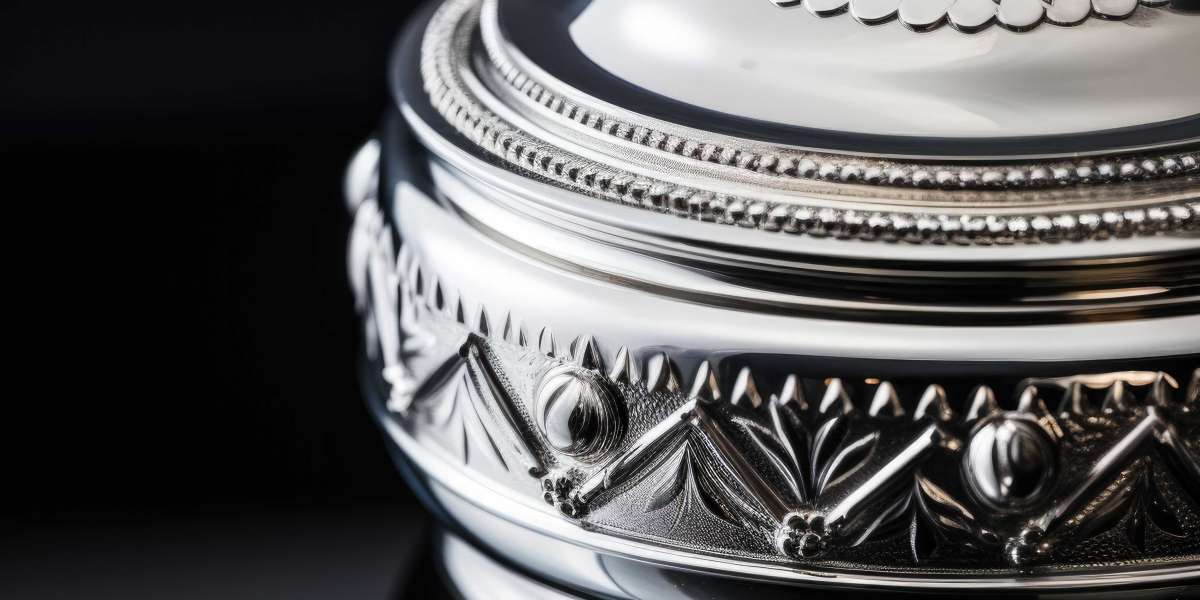

Silver plating is one of the most popular and versatile metal finishing processes used across multiple industries. In the UAE, silver plating has gained significant demand due to its excellent electrical conductivity, corrosion resistance, aesthetic appeal, and cost-effectiveness compared to solid silver components. From industrial manufacturing and electronics to luxury décor, jewelry, and architectural fittings, silver plating in the UAE plays a vital role in enhancing both performance and appearance.
As a global hub for manufacturing, construction, electronics, oil gas, and luxury design, the UAE requires advanced surface finishing solutions that meet international quality standards. Silver plating services in the UAE are widely used to improve product durability, functionality, and visual appeal while maintaining compliance with industry regulations.
What Is Silver Plating?
silver plating in uae is an electrochemical process in which a thin layer of silver is deposited onto the surface of another metal, such as copper, brass, steel, or aluminum. This is typically achieved through electroplating, where an electric current passes through a silver-based electrolyte solution, causing silver ions to bond to the base metal.
The result is a uniform, smooth, and highly conductive silver layer that enhances the properties of the underlying material without the cost of using solid silver.
Why Silver Plating Is Widely Used in the UAE
The UAE’s diverse industrial and commercial sectors make silver plating an essential finishing process. Some key reasons for its popularity include:
Excellent Electrical Conductivity – Ideal for electronics and electrical components
Corrosion Resistance – Protects base metals in humid and harsh environments
High Reflectivity – Suitable for decorative and optical applications
Cost Efficiency – Provides silver’s benefits at a fraction of the cost
Aesthetic Appeal – Delivers a premium, polished, and luxurious finish
With extreme temperatures, humidity, and demanding operating conditions, silver plating in the UAE is engineered to meet both functional and environmental challenges.
Industries That Use Silver Plating in UAE
Electronics and Electrical Industry
Silver plating is essential for electrical contacts, connectors, terminals, circuit breakers, and switches. Its low electrical resistance ensures efficient current flow, making it ideal for high-performance electrical systems used in power plants, data centers, and smart infrastructure across the UAE.
Automotive and Transportation
In automotive components, silver plating is used for connectors, sensors, and high-current applications. With the UAE’s growing electric vehicle and smart mobility sector, demand for reliable silver-plated components continues to rise.
Oil and Gas Sector
The oil and gas industry in the UAE requires durable components that can withstand extreme conditions. Silver plating is applied to valves, fasteners, and electrical parts to improve conductivity, reduce wear, and resist corrosion.
Jewelry and Luxury Items
Silver plating is widely used in jewelry, watches, cutlery, and luxury accessories. It offers an elegant silver appearance while keeping production costs manageable, making it popular in Dubai’s luxury and retail markets.
Architecture and Interior Design
Decorative silver plating is used on lighting fixtures, door handles, fittings, and ornamental items. High-end residential, hospitality, and commercial projects across the UAE often incorporate silver-plated finishes for a modern and premium look.
Medical and Healthcare Equipment
Silver’s antimicrobial properties make silver plating valuable in certain medical instruments and devices. UAE healthcare facilities rely on high-quality plating standards to ensure safety and hygiene.
Silver Plating Process Explained
The silver plating process followed by professional plating companies in the UAE typically includes:
Surface Preparation
The base metal is cleaned thoroughly to remove grease, oil, rust, and contaminants. This ensures strong adhesion of the silver layer.Pre-Treatment
Chemical treatments or strike layers may be applied, especially for metals like steel or aluminum.Electroplating
The component is immersed in a silver electrolyte solution, and an electric current deposits silver evenly onto the surface.Thickness Control
The silver layer thickness is carefully controlled based on the application—thin layers for electronics and thicker coatings for decorative or heavy-duty use.Rinsing and Polishing
After plating, the component is rinsed and polished to achieve the desired finish, from matte to mirror-like shine.Quality Inspection
Final inspection ensures coating adhesion, thickness accuracy, conductivity, and surface quality.
Types of Silver Plating Finishes in UAE
Silver plating services in the UAE offer a variety of finishes to suit different applications:
Bright Silver Plating – Highly reflective and decorative
Matte Silver Plating – Subtle, satin-like appearance
Heavy Silver Plating – For industrial and electrical durability
Anti-Tarnish Silver Plating – Treated to resist oxidation and discoloration
Each finish is customized based on client requirements and industry standards.
Advantages of Silver Plating
Silver plating offers several advantages that make it a preferred choice in the UAE market:
Superior electrical and thermal conductivity
Enhanced corrosion and wear resistance
Improved solderability for electronic parts
Luxurious appearance for decorative items
Long service life with proper maintenance
These benefits make silver plating suitable for both functional and aesthetic applications.
Silver Plating vs Other Plating Options
Compared to gold, nickel, chrome, or tin plating, silver plating stands out for its unmatched conductivity and cost-to-performance ratio. While gold plating offers better corrosion resistance, silver is more economical and provides better electrical performance, making it ideal for most industrial uses in the UAE.
Quality Standards for Silver Plating in UAE
Professional silver plating companies in the UAE adhere to international quality and environmental standards, including:
ISO quality management systems
RoHS compliance for electronics
Industry-specific thickness and adhesion requirements
Safe chemical handling and waste management
This ensures reliable performance and regulatory compliance across industries.
Choosing the Right Silver Plating Company in UAE
When selecting a silver plating service provider in the UAE, consider the following factors:
Experience and industry expertise
Modern plating equipment and facilities
Custom thickness and finish options
Quality control and testing procedures
Competitive pricing and timely delivery
Reliable plating companies offer consultation services to recommend the best solution for your specific application.
Maintenance and Care of Silver-Plated Products
To extend the life of silver-plated items:
Avoid exposure to harsh chemicals
Clean regularly with mild, non-abrasive cleaners
Store in dry environments to prevent tarnishing
Use protective coatings when required
Proper care ensures long-lasting performance and appearance.
Future of Silver Plating in UAE
With advancements in electronics, renewable energy, smart infrastructure, and luxury construction, the demand for silver plating in the UAE is expected to grow steadily. Innovations in eco-friendly plating solutions and anti-tarnish technologies are further enhancing the sustainability and durability of silver-plated products.
Conclusion
Silver plating in the UAE is a critical metal finishing solution that combines functionality, durability, and elegance. Whether for industrial equipment, electrical components, luxury décor, or jewelry, silver plating offers unmatched performance and visual appeal. By choosing professional silver plating services in the UAE, businesses can ensure high-quality finishes that meet international standards while optimizing cost and efficiency.