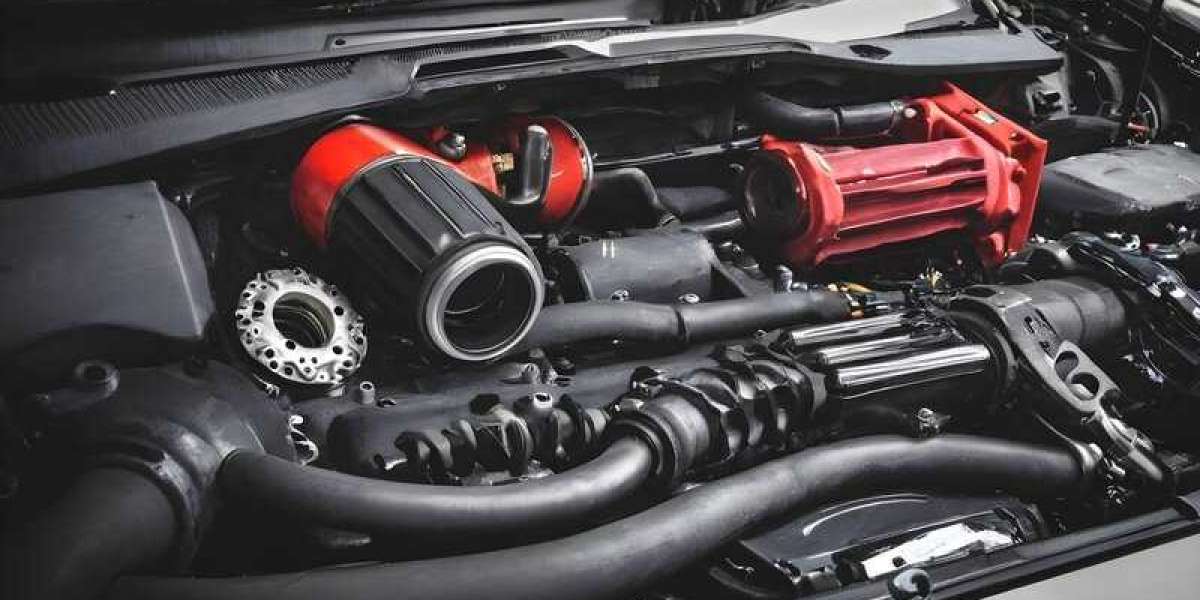

Why The Automotive Sector is Shifting Rapidly
If you have been following automotive lately, you can definitely sense the shift. Cars are no longer just machines that transport you. They are more connected and smarter. They are integrated into digital systems that determines how you drive, how you maintain the vehicle and how you purchase the vehicle.
Over the last few years there has been a notable change in the automotive aftermarket. This change has been building for years due to the integration of technology in manufacturing, servicing, and in automotive dashboards. This change has been for the better, and it cannot be ignored. This change is positive and it is only going to get better. According to GMI Research, the India Automotive Aftermarket Market will reach USD 21.1 billion in 2032, which speaks to the rapid evolution of the aftermarket to meet customers needs and the endless opportunities for growth and innovation.
Digital Transformation in Automotives.
Digital transformation in the automotive industry is not only about new technology. It is about improving the efficiency and effectiveness of automotive manufacturing and servicing. This transformation is evident in how the automotive industry designs, services, and maintains vehicles.
Manufacturers now use advanced software and systems to design vehicles for better precision. Automotive factories use automation and advanced systems for faster production and to reduce errors in vehicle production. The customer experience in the automotive industry has greatly improved. Dealerships and service centers offer online options to purchase, service and maintain a vehicle.
Vehicles also collect data after production and throughout their operational life. Vehicles utilize sensors, connectivity systems, and software to communicate with drivers, service centers and traffic systems. This level of integration was not possible 10 years ago, and it has its benefits.
Efficiency Is Improved By Smarter Manufacturing
Within the new age factories, machines do not only listen and follow commands, but also learn, adapt, and identify potentially serious issues and solve them before they escalate.
Robotics and automation perform monotonous jobs with ultra accuracy. Real-time monitoring systems identify future problems and fix them before they can be an issue, preventing unnecessary downtime and waste. This creates an overall more efficient and effective production system and more quality cars produced.
Moreover, it allows manufacturers to be more flexible in responding to new market demands and customer needs in a timely manner.
Cars Are Digital Companions Now
Cars more and more are becoming smart devices rather than an ordinary static device. Touch screens and voice commands, and mobile integration, and assistants are not just a luxury but a necessity.
Drivers now can do more than just drive a car. They can navigate, make calls, change songs, and monitor ECG on a single interface, and can even be warned of upcoming technical issues, making maintenance much easier.
Driving experiences can change with high connectivity and integrated devices. They can be much more personal, more intuitive, and very much easier.
A Major Upgrade In Safety
Road safety, and driving safety, can be enhanced with more features, and more driving assistance technologies like lane keeping, lane departure alert, and emergency braking, are becoming very much more common.
Systems with automated technologies are built with the intention of minimizing the risk of human error, which is statistically the leading cause of mishaps. In the long run, the technology will mitigate the risks and increase safety of driving, especially in city driving situations where driving can be more difficult and stressful. The technology being developed will ultimately save lives.
Digital Functions are Improving Customer Service
Purchasing a car in the past meant spending several hours at the dealership, but now a portion of it can be done online.
A customer can browse the dealership's car models, compare car features, explore various financing options, and even schedule a test drive. It is a more convenient and transparent process.
After the purchase, the usage of online service booking platforms and maintenance reminder systems with real-time tracking improve the service experience.
Why Digital Improvement is Essential for the Future
Digital improvement is a long-term change, not a fad, that is helping redefine the operational systems of the automotive business.
As the technology in automobiles advances, the three main stakeholders, automobile manufacturing companies, service companies, and customers, experience the benefits of the technology as systems become more efficient and costs are reduced.
As the automotive market continues to expand in countries like India, the industry benefits from the rapid implementation of technologies to meet the market demands.
Looking Ahead
Innovation in the automotive industry will soon be smart, connected and driven by data. Digital transformation will create new standards across the industry, from smart factories to connected vehicles and predictive maintenance.
There will be immense value for businesses that learn to adapt early. Consumers will see smoother and more efficient experiences in vehicles that have added safety features. The road ahead will continue this transformation, and the future looks bright.