

Introduction
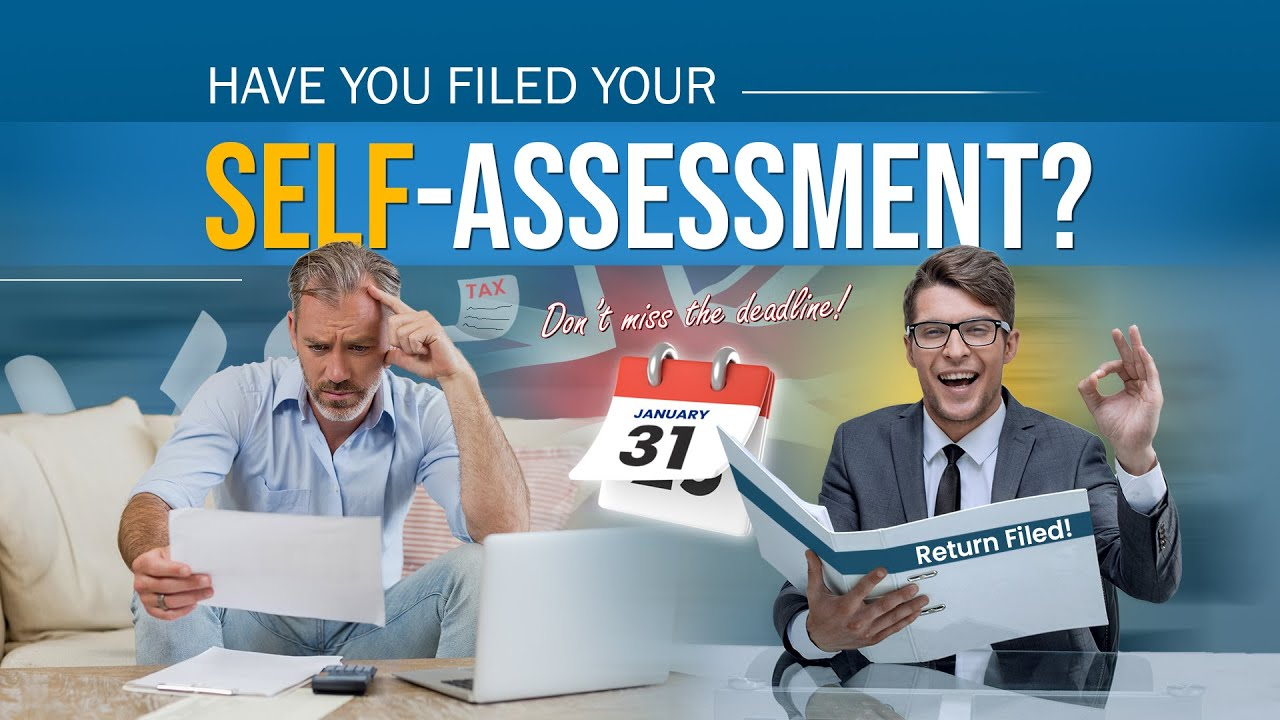
On a frosty December morning, the city was already busy, but inside a small rented flat, Sophie sat quietly with a cup of tea going cold beside her laptop. She ran a growing consultancy, nothing extravagant, just honest work that paid the bills and gave her independence. Yet one email notification stopped her scrolling. It mentioned the Self-Assessment Deadline 31 January 2026 (UK). Instantly, a familiar knot tightened in her stomach. Last year, she had rushed her Self Assessment Tax Return, misunderstood her obligations, and ended up facing unexpected charges. This year, she wanted control, clarity, and confidence. That decision marked the beginning of a very different journey, one that many individuals across the UK are now facing as January approaches.
This article is written for people like Sophie. It is designed to guide you through self-assessment in a calm, structured, and human way. By combining storytelling with clear explanation, it shows what must be filed, what must be paid, and how to avoid unnecessary stress and HMRC Penalties UK, all while staying fully compliant with the rules.
Why the Self Assessment Deadline Truly Matters
The Self-Assessment Deadline 31 January 2026 (UK) is not simply a date set by HMRC. It is the final opportunity to submit your tax return online and to pay any tax owed for the relevant tax year. Missing this deadline can trigger penalties, interest, and administrative consequences that linger far longer than most people expect.
Self-assessment places responsibility firmly on the taxpayer. HMRC expects you to calculate your own tax accurately, submit your return on time, and pay what is due. For many, especially those new to the system, this responsibility feels heavy. But with understanding and preparation, it becomes manageable.
For Sophie, the realisation was simple but powerful. Self-assessment was not something to fear. It was something to plan for.
Who Needs to File a Self-Assessment Tax Return
One of the most common questions is whether self-assessment applies at all. Many people assume it is only for large businesses or high earners. In reality, it applies to a wide range of individuals.
You are likely required to submit a Self Assessment Tax Return if you fall into any of the following categories:
- You are self-employed
- You operate as a sole trader
- You are a business partner in a partnership
- You are a company director with untaxed income
- You receive rental income
- You earn income from abroad
- You have capital gains to report
If your income is not fully taxed through PAYE, HMRC expects you to declare it through proper Tax Return Filing UK procedures.
The Hidden Stress of Last Minute Filing
Sophie remembered how January felt last year. Long evenings trying to understand forms. Searching for missing receipts. Worrying about getting figures wrong. This emotional toll is rarely discussed, yet it is one of the highest costs of poor preparation.
Self-assessment becomes stressful when it is left too late. It becomes manageable when it is approached steadily. The difference lies in timing and understanding.
What You Must File Before 31 January 2026
Filing a self-assessment return means presenting a full and honest picture of your financial year.
Declaring All Income
Your return must include all taxable income, such as:
- Trading profits under Self-Employed Tax UK
- Employment income is not taxed at source
- Dividends and interest
- Rental income
- Foreign income
Accuracy matters. HMRC systems cross-check information, and discrepancies can lead to enquiries long after submission.
Claiming Allowable Expenses
One of the most valuable aspects of self-assessment is the ability to reduce taxable profit by claiming legitimate expenses. These may include:
- Office and home working costs
- Travel and subsistence
- Professional fees and insurance
- Equipment and software
- Marketing and advertising
For those submitting a Sole Trader Tax Return, correct expense claims can significantly reduce the tax bill when handled properly.
Capital Gains and Other Complex Areas
Selling assets such as property or investments can create capital gains obligations. This area often confuses, especially when allowances and thresholds apply. Errors here are common and can be costly.
Understanding these rules early prevents unpleasant surprises.
Filing Your Return Online
Most taxpayers now submit an Online Tax Return UK. Online filing offers faster processing, built-in calculations, and instant confirmation of submission. It also reduces errors compared to paper returns, which follow an earlier deadline.
When Sophie switched to online filing, she found the process clearer and less intimidating. It gave her visibility over her numbers and confidence in what she was submitting.
What You Must Pay by the Deadline
The Self-Assessment Deadline 31 January 2026 (UK) is also the payment deadline. Filing your return without paying what you owe does not stop penalties or interest.
Balancing Payment
This is the remaining tax due for the year after any tax already paid. It must be paid in full by the deadline to avoid interest.
Payments on Account
Many taxpayers must also make advance payments towards the next tax year. These payments are based on your previous bill and can affect cash flow if not anticipated.
National Insurance Contributions
Depending on your circumstances, you may need to pay Class 2 and Class 4 National Insurance. These contributions affect entitlement to future benefits and pensions.
Understanding HMRC Penalties
Penalties increase quickly once deadlines are missed.
- Late Filing Penalties
- A fixed penalty applies immediately after the deadline
- Daily penalties may apply after three months
- Further penalties follow after six and twelve months
- Even if no tax is owed, missing the deadline triggers penalties.
- Late Payment Penalties
Interest starts accruing from the day after the deadline. Additional penalties apply as time passes. This is why HMRC Penalties UK often feel disproportionate to the original tax owed.
Reasonable Excuses and Appeals
HMRC may accept a reasonable excuse for late filing or payment, such as serious illness or bereavement. However, evidence is required, and appeals must be made promptly. Relying on this option is risky and uncertain.
Preparation remains the safest approach.
Time to Pay Arrangements
If paying your tax bill in full is not possible, HMRC may allow a time to pay arrangement. Early communication improves approval chances and reduces pressure.
The Importance of Consistent Record Keeping
Good record keeping is the foundation of accurate self-assessment. Waiting until January to gather documents almost guarantees stress and mistakes.
Sophie began reviewing her records monthly. This simple habit changed everything. She always knew where she stood, and January became just another checkpoint rather than a crisis.
Self Assessment for Company Directors
Those responsible for the Company Director Self Assessment often face additional complexity. Dividends, benefits, expenses, and director loans must all be reported correctly. Mistakes here attract close attention from HMRC.
Understanding these obligations is essential for compliance and peace of mind.
From Anxiety to Confidence
As the year progressed, Sophie noticed a shift. The Self-Assessment Deadline 31 January 2026 (UK) no longer caused panic. She understood her numbers, anticipated her payments, and felt prepared. What once felt overwhelming became routine.
This change did not happen by chance. It came from understanding the process, planning, and taking responsibility early.
Common Mistakes to Avoid
- Missing the filing deadline
- Underreporting income
- Forgetting payments on account
- Poor record-keeping
- Ignoring HMRC correspondence
Every one of these mistakes can be avoided with awareness and preparation.
Why Early Action Makes All the Difference
The earlier you engage with your tax position, the more control you have. You can manage cash flow, correct errors, and avoid rushed decisions. Leaving everything until January removes choice and increases stress.
A Clear Path Forward
Self-assessment is not designed to trap or punish. It exists to ensure tax is reported accurately and fairly. When approached with structure and clarity, it becomes a normal part of financial life rather than a source of anxiety.
With the right approach and support from Lanop Business and Tax Advisor, individuals move from confusion to confidence, from last-minute panic to calm control. The Self-Assessment Deadline 31 January 2026 (UK) then becomes not a threat, but a milestone that confirms you are meeting your responsibilities with clarity and assurance.