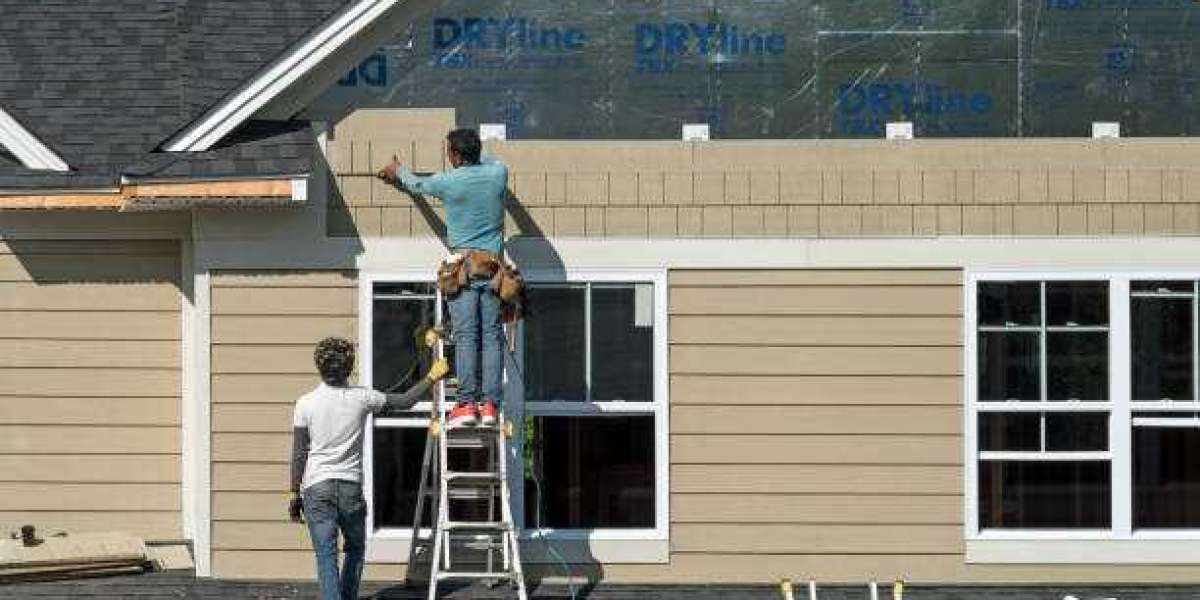

When searching for siding restoration near me, many homeowners in Clarkston and surrounding areas want clarity on what the process involves, how to choose the right materials, and how to ensure their home remains protected and beautiful for years to come. Siding does more than add curb appeal — it shields your home from rain, wind, and temperature extremes. Understanding the essentials of restoration can help you make informed decisions, protect your investment, and enhance your property’s overall value.
Why Siding Restoration Matters
Siding is one of the most critical components of your exterior envelope. Over time, exposure to weather, moisture, sunlight, and pests can cause wear like cracking, warping, or rot. Left unattended, these issues can lead to more serious problems such as insulation damage or water infiltration. Restoration helps reverse that wear, restore functionality, and prevent bigger repair bills down the road.
A proper siding restoration project will:
Reinforce areas weakened by wear or damage
Improve energy efficiency
Boost your home’s visual appeal
Protect structural integrity
Whether you have vinyl, wood, fiber cement, or metal siding, each material has its own restoration process and best practices.
Signs It’s Time for Siding Restoration
Recognizing the early signs of siding issues empowers you to act before the damage spreads. Look for these common indicators:
Fading or discoloration: Sun exposure can dull siding over time.
Cracks or splits: These allow moisture to penetrate beneath the surface.
Loose or missing pieces: Strong winds and age can dislodge sections.
Warping or buckling: Moisture or heat can cause siding to deform.
Mold or mildew: Indicates moisture problems and possible rot beneath.
If you notice any of these signs, it’s a good idea to start your search for siding restoration near me to assess the condition and plan your next steps.
Choosing the Right Siding Material
When planning a restoration or upgrade, materials matter. Here’s a quick overview of popular options:
Vinyl Siding
Vinyl is durable, low‑maintenance, and available in many colors and textures. It resists moisture well and doesn’t require painting, making it a strong choice for busy homeowners.
Wood Siding
Wood offers classic beauty and an organic appearance. It restores exceptionally well but often requires painting or staining and more regular upkeep to protect against insects and rot.
Fiber Cement Siding
Fiber cement blends durability with style. It resists fire, insects, and moisture better than many materials and provides a range of textures that mimic wood.
Metal Siding
Metal, like aluminum or steel, is tough and long‑lasting. It combats extreme weather well, though it may dent more easily than other materials.
Your choice depends on your budget, aesthetic preference, and the climate in which you live.
Steps in a Successful Siding Restoration Project
A professional siding restoration project typically follows these steps:
Inspection and Assessment
Experts evaluate existing siding, identify damaged areas, and determine whether full replacement or partial restoration is best.Material Selection
Homeowners choose from available materials, colors, and textures based on performance goals and design preferences.Removal of Damaged Sections
If needed, professionals remove old or compromised siding before restoration begins.Repair and Preparation
Underlying structures are repaired if necessary, and insulation or moisture barriers are applied to improve efficiency.Installation or Restoration
New siding is installed or existing panels are repaired and refinished.Final Inspection
A thorough walk‑through ensures quality and verifies that all elements meet expectations.
Each project is unique, and professionals tailor steps to address your home’s specific needs.
Cost Considerations for Siding Restoration
Many homeowners worry about siding restoration costs. While prices vary based on materials, home size, and local labor rates, here are general factors that influence cost:
Type of siding material
Extent of damage requiring restoration
Accessibility of upper walls or intricate architectural elements
Local labor and disposal fees
It’s often worth investing in quality materials and skilled installation. Poor restoration can cause future issues that cost more to fix.
Benefits Beyond Protection
Siding restoration does more than protect your home. It enhances energy efficiency, reducing heating and cooling costs. New or refreshed siding also increases curb appeal, which can be a significant advantage if you plan to sell your home. Moreover, modern siding options often feature improved insulation and durability compared to older materials.
Tips for Choosing a Siding Contractor
When you search for siding restoration near me, consider these tips to find a reliable professional:
Check experience and certifications
Ask for references and project photos
Get detailed written estimates
Confirm warranty options on materials and labor
Ensure proper licensing and insurance
Contractors should communicate clearly, respect your budget, and address all questions before work begins.
Maintaining Your Restored Siding
After restoration, regular maintenance helps prolong results:
Inspect annually for cracks or gaps
Clean siding with mild detergent and water
Trim plants that touch the exterior
Check caulking around windows and doors
Routine upkeep preserves the integrity and appearance of your siding for years to come.
Conclusion
Finding trustworthy siding restoration near me is essential to keeping your home safe, efficient, and attractive. By recognizing signs of wear, selecting the right materials, and working with experienced professionals, you ensure a restoration project that stands the test of time. A well‑executed siding restoration not only protects your investment but also enhances your daily comfort. For dependable expertise and quality service, consider schoenherrroofing as your partner in achieving a beautifully restored home exterior.