
Our nasal passages serve as the primary gateway for the air we breathe, acting as a sophisticated filtration system that warms, humidifies, and cleanses the air before it reaches the lungs. However, when these passages become congested due to allergies, environmental pollutants, or seasonal illnesses, it can significantly impact our quality of life. Understanding the various methods available for congestion relief—from specialized saline solutions to pediatric care—is essential for every household.
The Mechanics of Nasal Congestion
Congestion occurs when the tissues lining the nose become swollen due to inflamed blood vessels. This inflammation is usually a response to an irritant or an infection. While many people reach for medicated options immediately, it is vital to understand the role of non-medicated interventions. For instance, a nasal spray for sinus issues can help by providing moisture to dry membranes and thinning the mucus that causes that "stuffy" feeling.
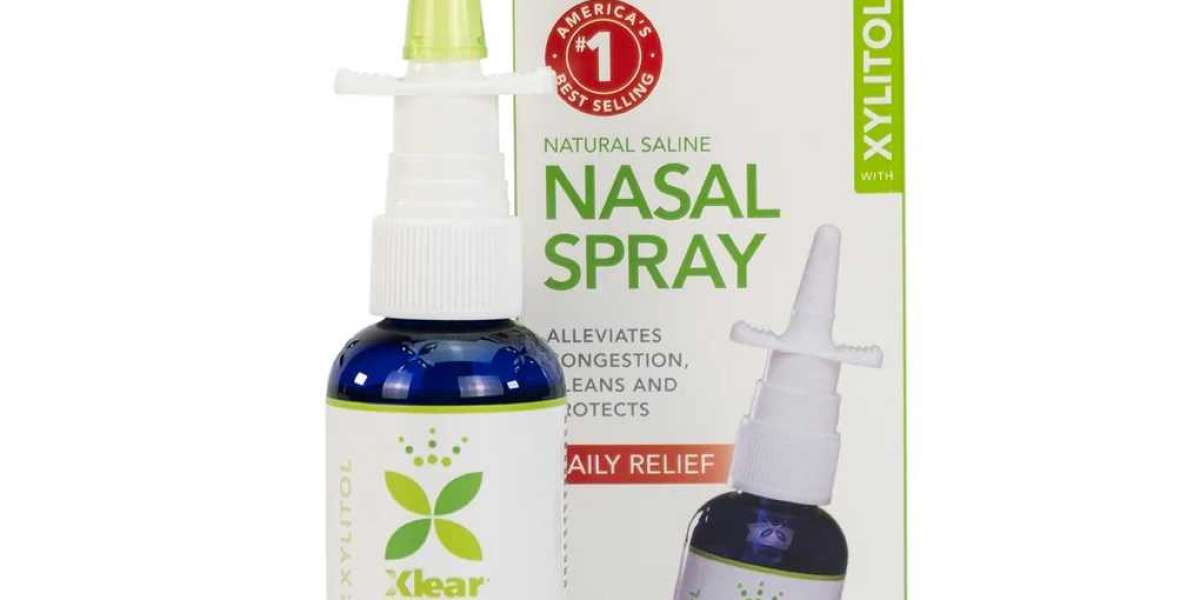
The use of a saline nasal spray is one of the most widely recommended first-line treatments by healthcare professionals. Unlike medicated decongestants, which can sometimes lead to "rebound congestion" if used for more than a few days, saline solutions are typically just a mixture of salt and water. They work by mechanically washing away allergens like pollen and dust while soothing the delicate nasal lining.
Advanced Cleansing and Regional Practices
In areas with high humidity or urban pollution, such as Southeast Asia, nasal hygiene is often treated with the same regularity as brushing one's teeth. Finding a sinus rinse Singapore residents trust often involves looking for systems that allow for a high-volume, low-pressure wash. This method, often referred to as nasal irrigation, involves flushing the nasal cavity with a large amount of saline solution. It is particularly effective for chronic sufferers because it reaches deeper into the sinus cavities than a standard spray mist might, effectively clearing out thick secretions and irritants.
Pediatric Nasal Health: Caring for the Little Ones
When it comes to children, nasal care requires a much gentler approach. Children have narrower nasal passages, making them more susceptible to discomfort from even minor congestion. Parents often search for a nasal spray for kids that is specifically formulated with a gentler mist and a lower concentration of salt to avoid stinging.
For infants, the challenge is even greater as they are "obligatory nose breathers," meaning they primarily breathe through their noses during their first few months of life. A baby blocked nose spray is a vital tool for parents. These are usually isotonic saline solutions delivered through an ultra-gentle nozzle designed not to damage the infant's fragile nostrils. Clearing a baby's nose before feeding or sleep can drastically improve their comfort and ability to rest.
Choosing the Right Application Method
The efficacy of nasal care often depends on the delivery system. A sinus nose spray might come in a metered-dose pump, which ensures a consistent amount of solution is delivered with every puff. This is ideal for daily maintenance or for those who need to carry relief in their pocket or bag. On the other hand, squeeze bottles or neti pots are better suited for the deep-cleansing "rinse" mentioned earlier.
Conclusion
In summary, managing respiratory comfort involves selecting the right tool for the specific need. Whether you are looking for a nasal spray for sinus relief, a daily saline nasal spray, or a sinus rinse Singapore to combat urban pollutants, the goal remains the same: clear passages and hydrated membranes. For parents, keeping a nasal spray for kids and a specialized baby blocked nose spray in the medicine cabinet ensures that even the smallest family members can breathe easily. Utilizing a dedicated sinus nose spray can be the difference between a day of discomfort and a day of clear breathing.