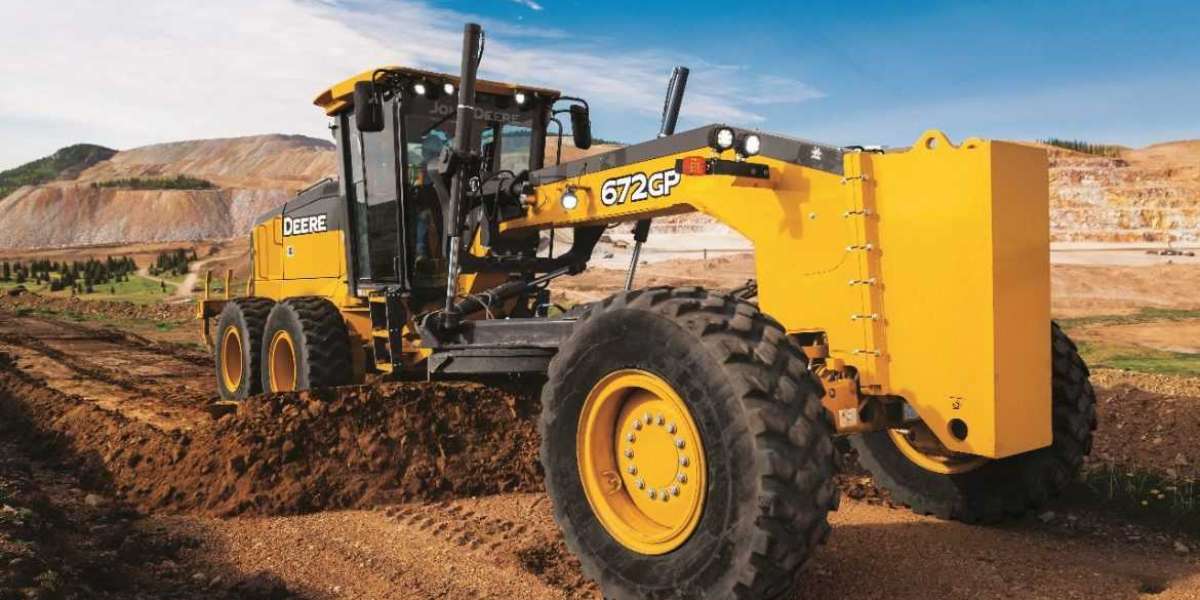

Timing is usually as important as the machine itself when contractors or fleet managers are searching for John Deere Motor Graders. Auctions and private sales are not a vacuum. The price and availability change depending on municipal projects, seasonal work cycles, and even international demand. Experienced consumers leverage their knowledge of when to bid, when to wait, and which machines are needed to save thousands of dollars and maintain the productivity of the right unit over time.
Municipal Projects and Their Influence on Availability
Grader activity is largely driven by municipal projects. Local governments and public works departments tend to work on tight budgets and schedules, which develops a predictable trend in the availability and cost of graders.
- Budget cycles provide auction timing: Most municipalities auction off excess equipment at the close of their financial year, which tends to increase supply.
- Project-specific demand spikes: Road maintenance, bridge repairs, and urban development projects may temporarily tie up local inventory, decreasing auction supply.
- Seasonal contracts with road maintenance: Cities can rent or purchase certain models of John Deere to pave or grade roads, which affects the secondary market.
- Units with high demand sell more quickly and at a higher price: Municipal authorities price some units, such as articulated graders or those with sophisticated control systems, higher.
The knowledge of these patterns will enable buyers to know when the units will enter the market and at what price.
Seasonal Cycles: How Weather and Work Schedules Affect Pricing
Surprisingly, weather and the agricultural calendar highly affect grader auctions. Demand in the North is higher in the snow removal season. In rural areas, it is higher during harvests and road maintenance.
- The season of snow removal increases the demand in the north: Auctioneers often sell John Deere graders with plow attachments or heavy-duty blades at high prices.
- Winter construction downtime decreases supply in the auction: Fewer machines change hands during cold months, which can temporarily depress prices.
- The rural work cycles are important: Contractors may keep graders to maintain farm roads during planting or harvest seasons instead of selling them.
- Buying at the right time will help to save money: Buying products right before the peak season will help avoid bidding wars.
Buyers can also maximize their value by matching purchase strategies to seasonal fluctuations. So that they do not have to pay exorbitant prices.
International Demand: Export Buyers Impact Local Markets
John Deere Motor Graders are not only a local product; they are in demand all over the world. Local pricing is highly affected by international buyers, especially in the emerging markets.
- Tier 3 models are particularly sought after in other countries: Older models with simple electronics ship and service more easily in other countries.
- Shipping cost influences the bidding strategy: Buyers have to consider logistics, which may increase the total purchase cost.
- Other units do not even go to domestic auctions: High-demand machines can be sold directly to export buyers, lowering domestic supply.
- Following world trends will aid in anticipating prices: Knowing when foreign buyers are present will provide domestic buyers with an advantage during an auction.
Many domestic purchasers overlook the international influence, which directly affects floor prices and timing.
Auction Strategies to Maximize Value
Buyers cannot secure auction purchases by simply showing up and bidding; strategic planning guarantees the best deals on John Deere graders.
- Compare regional to national auctions: Prices may differ greatly, as on location and demand.
- Assess service and usage history: Machines that have a good maintenance history are less risky, albeit a little more costly.
- Bid when the international competition is low: Timing purchases during periods when there is low export activity will lower the bidding pressure.
- Establish rigid budgets: Do not get emotional in high-demand or low-supply times.
A carefully planned auction plan would help to cut the costs of acquisition and also have a sure grader for the fleet.
Timing Insights for Private Sales vs. Auctions
Structured auctions do not have the flexibility and unique opportunities that are provided by private sales. Auction strategy can be supplemented by knowing when to make private deals.
- Private sellers might take lower bids when changing projects.
- The ability to be flexible during off-season peaks enables buyers to bargain without the pressure of live bidding.
- Regional demand differences affect availability, with certain regions consistently offering more opportunities for private deals.
- The comparison of the auction and the private trends assists the buyers in determining the value of the market and negotiating well.
Through the fusion of the auction and the opportunities of the private sale. The buyers have the best opportunity of acquiring the correct machine at a competitive cost.
The Role of Model Popularity and Production Years
Not every John Deere grader performs the same way in the second market. Price and timing can be determined by popularity and parts availability.
- Popular models have a longer resale value because of the availability of parts and familiarity of the operator.
- Owners find it easier to maintain older models with common parts, which lowers maintenance costs over the long run.
- Special or unique models can be patiently sought or sourced abroad.
- Buyers can avoid overbidding or shortages by timing their purchases of in-demand models.
The timely acquisition and its consistency with the popularity of the model are the guarantee of the efficiency of the operations and financial soundness.
Long-Term Value Considerations
The timing of a purchase affects both the price paid and the long-term investment returns.
- Purchasing at low demand will give maximum ROI by reducing the initial expense.
- Regular history of maintenance maintains resale value, which is particularly significant to fleet planning.
- Buyers can use knowledge of global demand patterns to predict future availability and prices.
- Seasonal and municipal insights help fleets schedule acquisitions and replacements to support long-term strategy.
The smart buyers use timing to make sure that their investment is profitable throughout the lifecycle of the machine.
Strategic Market Engagement
The John Deere Motor Graders market is a much finer market than specifications and hours alone. Municipal projects, seasonal cycles, and international demand influence pricing and availability. Wise customers mix up auction techniques, time of the sale privately, and market knowledge to obtain trustworthy graders at the appropriate cost. Timing is not merely a question of convenience. But a key element of value maximization and ROI is over the long term.
FAQs
1. Why does operator consistency matter in used graders?
A: Regular operators will act predictably on machines, minimizing unpredictable wear and increasing the life of critical parts.
2. Which ownership type usually offers better maintenance documentation?
A: Machines owned by fleets are usually digitally logged and have a rigid service schedule.
3. Should buyers consider older contractor-owned graders?
A: Yes, a lot of them are in good condition and offer good mechanical reliability despite cosmetic appearance.
4. Does project type really affect long-term machine condition?
A: Definitely, mining, oilfield, and heavy civil work impose much more mechanical stress than municipal or light grading work.