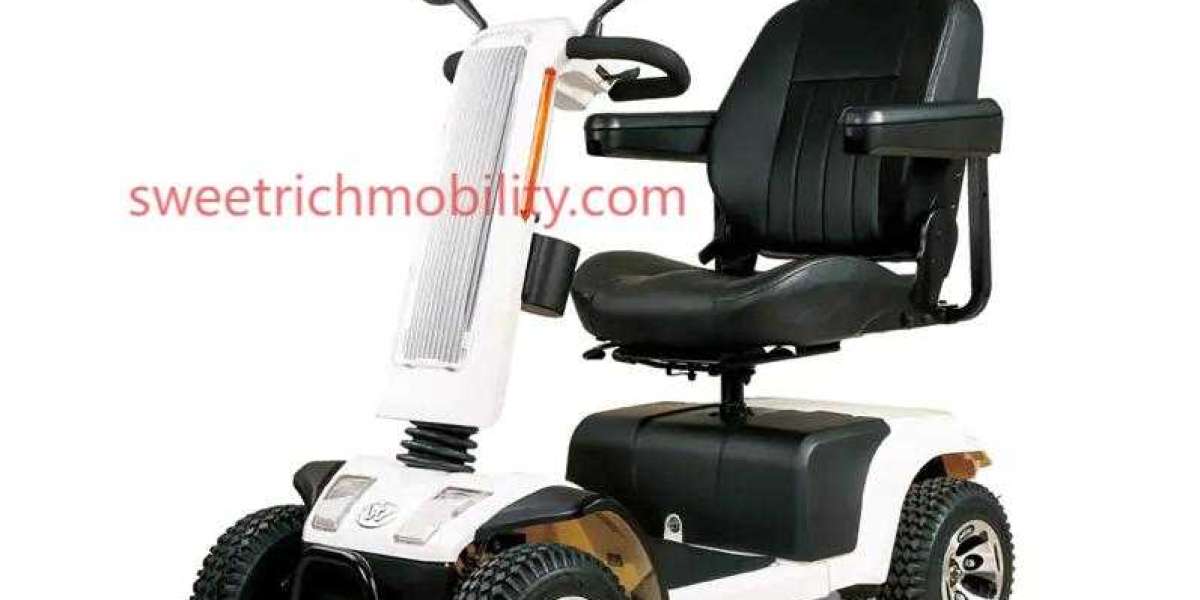

Urban commuters today search for travel options that blend practicality with simplicity, especially when navigating narrow sidewalks, mixed-use paths, and community hubs with heavy foot traffic. Midway through this growing interest, the term Wholesale Portable Scooter stands out as a possible solution for businesses exploring compact, compliant, and adaptable equipment for shared environments. As cities continue adjusting to diverse mobility needs, the demand for lightweight structures that support everyday activities becomes much more relevant.
Portability shapes how people interact with transportation tools, especially when their routines involve transitions between indoor areas, public spaces, and short neighborhood rides. A compact frame helps users store the unit easily beside workspace desks, inside compact residential corners, or within local service stations offering pickup and return options. When individuals can move a device comfortably with limited effort, it broadens where it can be carried, charged, or positioned. This sense of freedom encourages frequent use because riders feel unconstrained by bulky layouts.
Compliance also plays a key role. Many shared travel providers carefully evaluate structural reliability, build characteristics, and daily usability to ensure each unit fits general operational guidelines. While regulations vary by region or facility type, maintaining consistent safety-forward design principles is essential for operators who want to protect users and equipment within urban surroundings. A product that meets these foundational design expectations enters neighborhoods more smoothly because it aligns with widely accepted norms of responsible mobility.
Suitability across various settings must also be carefully addressed. Lightweight, portable formats often adapt well to diverse surfaces found in busy districts, mixed commercial blocks, and community walkways. Riders may start their day on paved paths, continue through sheltered zones around offices, and later ease through small plazas to reach shops or gathering spots. A scooter that transitions naturally between these environments enhances user confidence by maintaining approachable handling and balanced motion across each space.
Shared service operators increasingly integrate compact scooters into their offerings because such designs reduce logistical complexity. Staff members can reposition units faster, store them efficiently during off-peak hours, and complete routine inspection tasks without excessive labor. A portable setup also allows redistribution teams to cover more stops during each operational cycle. When equipment is easy to move, shared fleets can remain accessible across broader segments of a city.
For end-users, the appeal often lies in convenience. Short-distance travelers enjoy the ability to begin a ride near residential clusters, pause at transit nodes, and continue toward workplaces or recreational spots without carrying cumbersome equipment. Portability becomes even more valuable when combining multiple steps in a journey, encouraging fluid movement between walking, riding, and brief stops indoors. Because a portable scooter can be parked neatly near entryways or designated racks, riders avoid the common obstacles associated with larger units.
Urban planners and local facility managers also see value in portable mobility tools. They are less intrusive on walkways, simplify parking organization, and align with city goals of reducing clutter. When a product is compact and easy to store, buildings can assign suitable placement areas without requiring major layout changes. The ability to integrate into existing public spaces fosters harmony between riders, pedestrians, and nearby commercial activities.
Businesses exploring shared travel models frequently study how riders behave throughout different times of day. Portable solutions encourage spontaneous trips because users feel comfortable unlocking a unit without worrying about maneuvering challenges. This flexibility supports a vibrant environment where people rely on micro-transport for casual errands, quick lunches, or evening events. By providing equipment that simplifies these spontaneous decisions, shared networks keep engagement high.
Innovative operators are now experimenting with portable unit groups in community-sharing programs, residential complexes, and workplace campuses. Lightweight designs enable easy management during rotations, sanitation procedures, or temporary relocation during local events. A scooter that avoids unnecessary complexity helps administrators maintain smooth traffic flow within their designated area. Minimizing operational strain creates a more positive experience both for riders and the team managing the system.
Businesses considering large-scale acquisition often seek products demonstrating consistent handling and comfortable transport characteristics. Compact scooters tend to meet these expectations by offering manageable structure and balanced movement. When paired with thoughtful station planning, simple charging logistics, and intuitive placement strategies, they become a valuable asset for operators who wish to improve service quality across multiple zones.
As the concept of shared urban travel continues evolving, interest in portable mobility solutions remains strong. A carefully crafted unit can transform daily routines, support low-impact travel habits, and bring communities closer to reliable personal transport experiences. Whether introduced in mixed-use districts, residential routes, or bustling commercial centers, compact scooters carry the potential to create smoother connections across daily lives.Businesses wishing to explore suitable portable models for expanding fleets or new service plans can learn more by visiting the website of Sweetrich Mobility at sweetrichmobility.com/product .