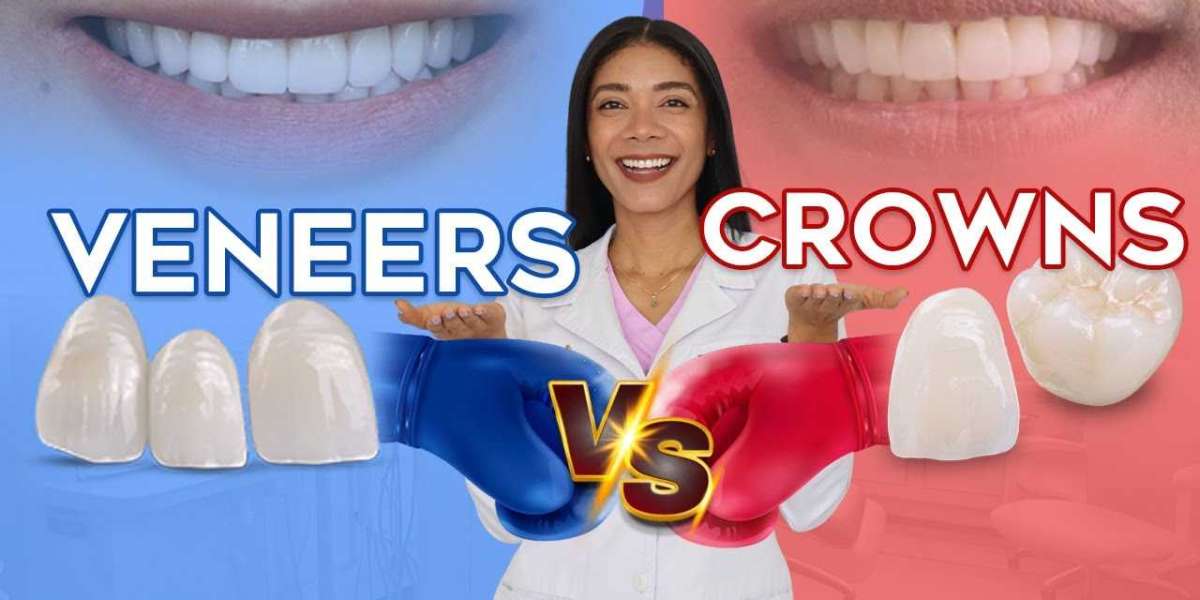

When you look in the mirror and feel unhappy with your smile, you are not alone. Many people across Texas ask us the same question every day: Should I choose veneers or crowns? Both options can change your smile, but they work in very different ways. That is why making the right choice matters so much.
In this guide, we will walk you through everything you need to know about veneers vs. crowns. We will explain how each option works, when dentists recommend them, and how to choose what fits your smile, budget, and long-term oral health.
Understanding Your Smile Needs Comes First
Before we compare dental veneers and dental crowns, let us start with something important. Every smile tells a different story. Some people want to fix stains or small gaps. Others need help with broken or weak teeth. Because of this, no single dental treatment works best for everyone.
We always tell patients that cosmetic dentistry and restorative dentistry serve different goals. Veneers focus more on looks, while crowns focus more on strength. Still, both can improve your smile and protect your teeth when used the right way.
What Are Dental Veneers?
Dental veneers are thin covers that dentists place on the front of your teeth. They improve how your teeth look by changing color, shape, or size. Most veneers use porcelain or composite material, which looks very close to natural teeth.
When you choose veneers, your dentist removes a small amount of enamel from the front of your tooth. After that, the veneer bonds tightly to the tooth surface. Once placed, veneers blend in with your smile and feel smooth and natural.
Why People Choose Veneers
Many people in Texas choose dental veneers because they want a brighter and more even smile. Veneers work well for stained teeth that do not respond to whitening. They also help with small chips, minor gaps, or uneven teeth.
If you want a smile makeover and your teeth stay healthy and strong, veneers often make sense. Cosmetic dentists in Texas often recommend veneers for people who want fast and noticeable results without major tooth work.
Types of Dental Veneers You Should Know About
Porcelain veneers remain the most popular choice because they last longer and resist stains. Composite veneers cost less and need less enamel removal, but they may not last as long. Your dentist will help you decide based on your smile goals and budget.
No matter the type, veneers focus on improving appearance, not fixing deep tooth damage.
What Are Dental Crowns?
Dental crowns, also called tooth caps, cover the entire tooth. Dentists use crowns when a tooth needs strength, protection, and shape restoration. Crowns restore teeth that cracks, decay, or trauma damage.
When you get a crown, the dentist reshapes the tooth so the crown fits securely. After placement, the crown protects the tooth from further damage and restores normal chewing function.
Why Crowns Matter for Oral Health
Crowns play a big role in restorative dentistry. They protect weak teeth and help patients chew without pain. Dentists often use crowns after root canal treatment because treated teeth need extra support.
If your tooth has large decay, severe cracks, or structural damage, veneers alone will not help. In those cases, crowns provide the strength your tooth needs to last.
Common Types of Dental Crowns
Porcelain and ceramic crowns give a natural look and match nearby teeth. Porcelain fused to metal crowns offer strength and durability. Some patients also choose metal crowns for back teeth because they last long and handle pressure well.
Your dentist in Texas will suggest the best crown based on tooth location, bite force, and appearance needs.
Veneers vs. Crowns: The Main Differences Explained Simply
Now let us compare veneers vs. crowns in a clear and simple way, so you can understand the real difference.
Veneers cover only the front surface of the tooth. Crowns cover the entire tooth. This difference matters a lot because crowns protect damaged teeth, while veneers improve appearance.
Veneers need less tooth removal than crowns. Crowns need more reshaping because they wrap around the whole tooth. Because of this, crowns work better for weak or broken teeth.
Both options look natural when a skilled cosmetic dentist places them. Still, veneers focus more on smile beauty, while crowns focus on strength and function.
Cost Comparison: Veneers vs. Crowns in Texas
Cost often plays a big role in treatment decisions. Veneers usually cost more than crowns, especially porcelain veneers. Insurance often covers crowns when they fix damage, but insurance rarely covers veneers because they count as cosmetic dentistry.
Even so, the long-term value matters more than upfront cost. Veneers last many years with good care, and crowns can last even longer when patients maintain oral hygiene.
A trusted dental clinic in Texas will explain costs clearly and help you choose what fits your budget.
How Long Do Veneers and Crowns Last?
Veneers often last 10 to 15 years with proper care. Crowns can last 15 years or longer. Daily brushing, flossing, and regular dental checkups help both options last longer.
Avoid biting hard objects, grinding teeth, or skipping dental visits. These habits protect your investment and your smile.
Which Option Fits Your Smile Best?
Choosing between veneers and crowns depends on your oral health, goals, and lifestyle. If you want cosmetic improvement and your teeth stay healthy, veneers may work well. If your tooth feels weak or damaged, crowns offer better protection.
We always suggest starting with a full dental exam. A skilled dentist in Texas will review X-rays, tooth strength, and bite alignment before recommending treatment.
Veneers or Crowns for Texas Patients: What Local Dentists Say
Dentists across Texas agree on one thing. Personalized care matters most. No two smiles are the same, and treatment should match your needs.
Modern dental clinics in Texas use advanced tools like digital imaging and 3D scans. These tools help dentists plan precise veneer and crown treatments with long-lasting results.
When you choose a local cosmetic dentist in Texas, you gain access to expert care, clear guidance, and ongoing support.
Real-Life Questions Patients Often Ask
Many patients ask if veneers hurt. We reassure them that dentists use local anesthesia, so discomfort stays minimal. Others ask if crowns look natural. With today’s materials, crowns match natural teeth very well.
Patients also ask which option lasts longer. Crowns usually last longer, but veneers still offer strong value when placed correctly.
Why Experience and Trust Matter in Cosmetic Dentistry
Experience matters when choosing veneers or crowns. Skilled dentists follow best practices, use high-quality materials, and focus on long-term oral health.
We believe trust builds through clear communication. A dentist should explain every step, answer questions honestly, and never rush treatment decisions.
When you work with a top-rated dentist in Texas, you receive care that follows proven standards and real-world experience.
Final Thoughts
Choosing between veneers vs. crowns does not need to feel confusing. Veneers improve appearance. Crowns restore strength. Both treatments offer powerful benefits when used correctly.
The best next step involves talking to the best dentist in Texas who understands your smile goals. With expert guidance, you can choose a treatment that looks great, feels comfortable, and protects your oral health for years to come.
Your smile deserves care, confidence, and clarity. When you understand your options, you take control of your dental health and your future smile.