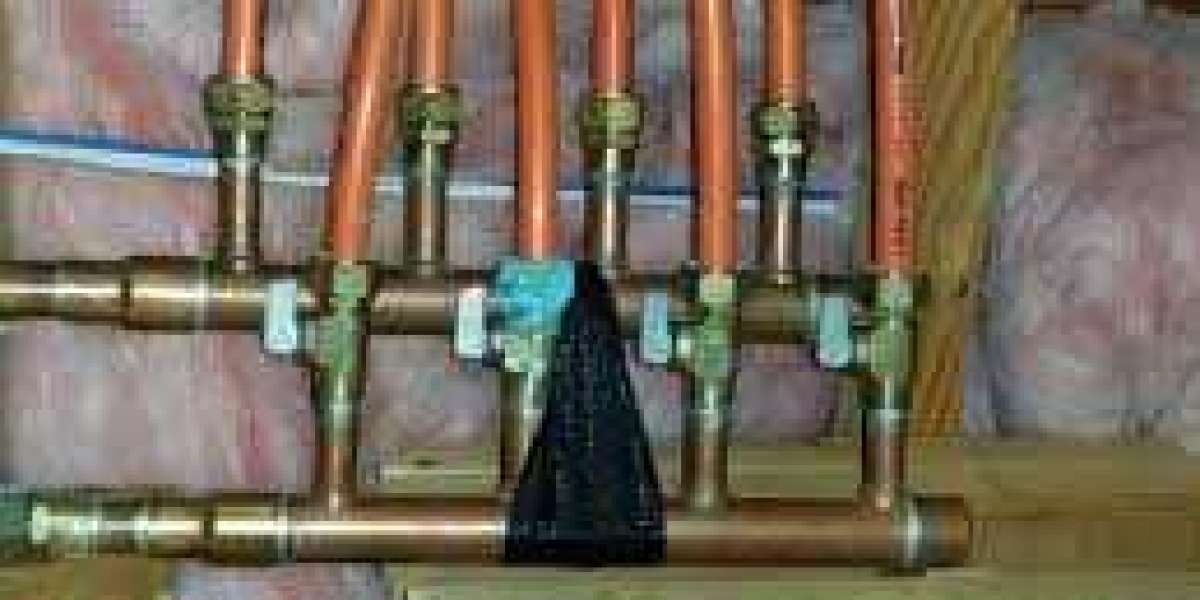

If your home was built or renovated between the mid-1990s and late 2000s, there’s a chance it may contain Kitec plumbing—a now-discontinued piping system known for serious failures. Many homeowners across Ontario are unaware they have Kitec pipes hidden behind walls, ceilings, or under floors until leaks or water damage occur.
At Harb Plumbing, we regularly help homeowners identify Kitec plumbing early, avoid costly repairs, and protect their property value. This guide explains how to tell if your home has Kitec plumbing, the warning signs to watch for, and when professional inspections—such as Sewer Camera Inspection Services—can help uncover hidden plumbing issues.
What Is Kitec Plumbing?
Kitec Plumbing is a brand name for a particular type of flexible aluminum piping that was widely installed in residential properties during the late 1990s and early 2000s. Manufactured by IPEX Inc., this plumbing system was marketed as a cost-effective and easy-to-install alternative to traditional copper piping. The system consisted of aluminum pipes with an inner and outer layer of plastic (polyethylene), along with brass fittings.
- Flexible and easy to install
- Corrosion-resistant
- Long-lasting and cost-effective
Unfortunately, these claims proved inaccurate. Over time, Kitec plumbing became known for premature failures, leaks, and water damage, leading to lawsuits and its eventual removal from the market.
Why Kitec Plumbing Is a Serious Concern for Homeowners
The main issue with Kitec Plumbing is how it reacts to hot water and high pressure. The pipes and brass fittings deteriorate from the inside, often without visible warning.
- Sudden pipe bursts
- Hidden leaks behind walls
- Water pressure fluctuations
- Mold growth and structural damage
Because failures often happen without warning, identifying Kitec plumbing early is critical.
How to Tell If Your Home Has Kitec Plumbing
Visual Identification: The Tell-Tale Signs
The most straightforward way to determine if your home has kitec plumbing is through visual inspection. Kitec pipes have distinctive characteristics that set them apart from other plumbing materials.
Where to Look in Your Home
Knowing where to search is half the battle when trying to identify Kitec Plumbing. Start your inspection in the most accessible areas where plumbing is typically visible.
Your basement is often the best place to begin. Look at the ceiling where pipes may run between floor joists, check around your hot water tank, and examine any exposed plumbing near your washing machine connections. If you have a utility room or mechanical room, this is another prime location for spotting kitec plumbing.
Inspect Brass Fittings for Corrosion
Kitec systems often use yellow or brass fittings, which are prone to dezincification—a chemical reaction that weakens the metal.
Warning signs include:
- White or green chalky buildup
- Cracked or swollen fittings
- Rust-colored water
Review Home Inspection or Insurance Documents
Some home inspection reports and insurance policies specifically mention Kitec plumbing. Many insurers in Ontario:
- Increase premiums
- Limit coverage
- Refuse coverage altogether
If your insurance provider has asked about plumbing materials, it’s a strong indicator further inspection is needed.
Hidden Kitec Plumbing: When Pipes Aren’t Visible
In many homes, Kitec Plumbing is concealed behind drywall or beneath concrete slabs. This is where professional diagnostic tools become essential.
How Sewer Camera Inspection Services Help
While Sewer Camera Inspection Services are primarily used to inspect underground drain and sewer lines, they play an important role in overall plumbing diagnostics.
At Harb Plumbing, sewer camera inspections help:
- Identify hidden leaks affecting drainage systems
- Detect pipe material transitions
- Locate corrosion or joint failures
- Rule out sewer issues when water damage appears
If Kitec plumbing failures have caused moisture buildup or slab leaks, Sewer Camera Inspection Services can help pinpoint related damage before it escalates.
Professional Inspection Options
While DIY visual inspection can help you identify obvious kitec plumbing, professional assessment provides a more comprehensive evaluation of your plumbing system's condition and extent.
Licensed plumbers like our team at Harb Plumbing have the expertise to identify Kitec even when it's not immediately visible. We understand the various brand names and configurations under which this plumbing was sold, and we know the common installation patterns that builders used during the Kitec era.
Trust Harb Plumbing for Your Kitec Concerns
At Harb Plumbing, we understand the stress that comes with discovering kitec plumbing in your home. Our experienced technicians have extensive experience identifying, assessing, and replacing Kitec systems throughout the region.
We offer comprehensive sewer camera inspection services that can definitively determine the extent of Kitec in your plumbing system, even in areas that aren't easily accessible. Our diagnostic approach ensures you have complete information before making decisions about your home's plumbing.
When replacement is necessary, we work efficiently to minimize disruption to your daily life while ensuring the highest quality workmanship. We provide transparent pricing, detailed project timelines, and stand behind our work with comprehensive warranties.
Final Thoughts
Identifying Kitec plumbing early can save homeowners thousands of dollars in repairs, insurance issues, and property damage. While some signs are visible, many problems remain hidden until it’s too late.
If you suspect Kitec plumbing or want expert confirmation, Harb Plumbing is here to help. With professional inspections, advanced Sewer Camera Inspection Services, and reliable replacement solutions, we ensure your home’s plumbing system is safe, efficient, and future-ready.