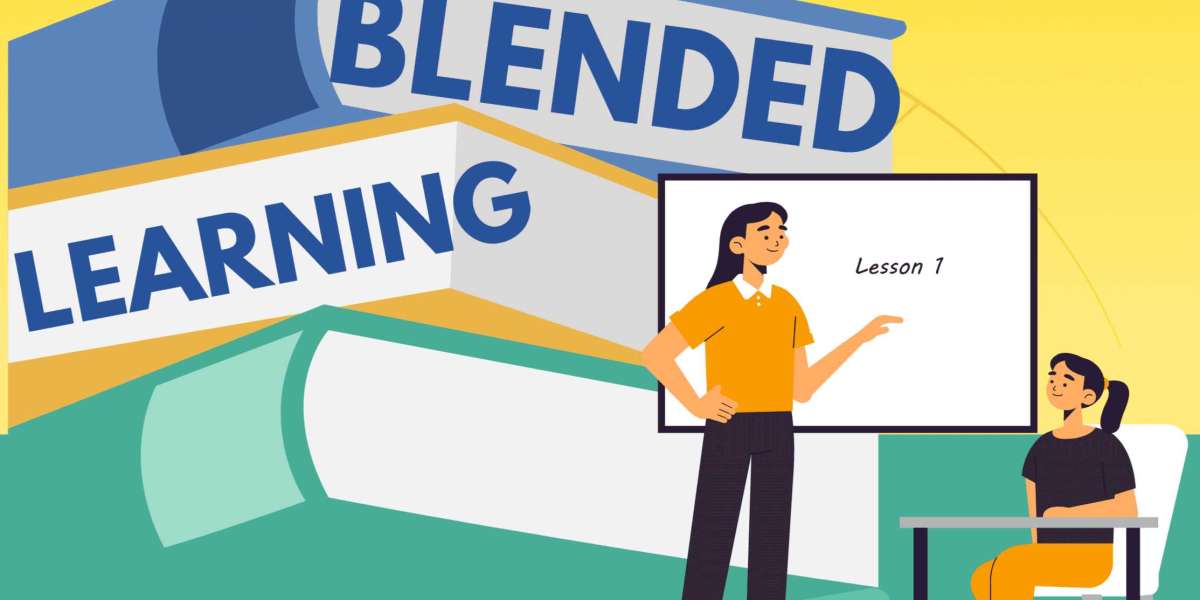

Education is evolving faster than ever, and the need for flexible, innovative teaching methods has never been greater. Blended learning has emerged as one of the most effective ways to meet the needs of today’s diverse learners.
Many institutions, including Schools in Dehradun, are adopting this approach to create more engaging, personalized, and impactful learning experiences.
What Is Blended Learning?
Blended learning is a teaching model that combines traditional classroom instruction with online learning tools. It merges the best of both worlds—face-to-face teaching for personal interaction and digital platforms for flexibility and self-paced learning.
Students benefit from the structure of classroom learning while also enjoying the independence and variety offered by online resources. This balance creates a dynamic learning environment that encourages students to take ownership of their education.
Why Blended Learning Is Gaining Popularity
1. Offers Personalized Learning
One of the core strengths of blended learning is personalization. With digital platforms, teachers can assign activities based on each student’s learning pace, interest, and understanding. This ensures that fast learners can progress quickly while students who need extra support can revisit lessons without pressure.
2. Enhances Student Engagement
When learning involves videos, quizzes, simulations, and interactive modules, students stay more engaged. Blended learning uses multimedia tools that make lessons more exciting, reduce boredom, and encourage active participation.
3. Supports Better Understanding and Retention
Digital tools make complex concepts easier to understand through visual aids, animations, and virtual experiments. Students can revisit these resources anytime, which helps deepen understanding and reinforces learning.
How Teachers Benefit from Blended Learning
Flexible Teaching Methods
Blended learning gives teachers the freedom to experiment with new teaching strategies. They can incorporate group activities, digital assignments, flipped classrooms, and project-based learning to create a more dynamic learning experience.
Data-Driven Insights
Digital platforms provide real-time data on student performance. Teachers can track who is struggling, who needs additional support, and who is excelling. This data helps them make informed decisions and plan lessons more effectively.
More Time for Student Interaction
Because some tasks are done online, teachers have more time during class to interact with students individually, answer questions, and support personalized learning needs.
Why Blended Learning Prepares Students for the Future
Builds Digital Skills
In today’s world, digital literacy is essential. Blended learning helps students become comfortable with technology, preparing them for future academic and professional environments.
Develops Independent Learners
Students learn to take responsibility for their studies as they navigate online modules, manage their time, and complete tasks independently. This builds discipline and self-confidence.
Encourages Collaboration
Blended learning often includes group discussions, projects, and peer activities. These help students develop communication, teamwork, and problem-solving skills.
Conclusion: A Smarter, More Effective Way to Learn
Blended learning is transforming education by combining the strengths of traditional teaching with the advantages of digital learning. It improves engagement, supports personalized learning, and helps students develop essential skills for the future.
As more schools embrace this model, blended learning is proving to be a smarter, more efficient way to teach and prepare students for success.