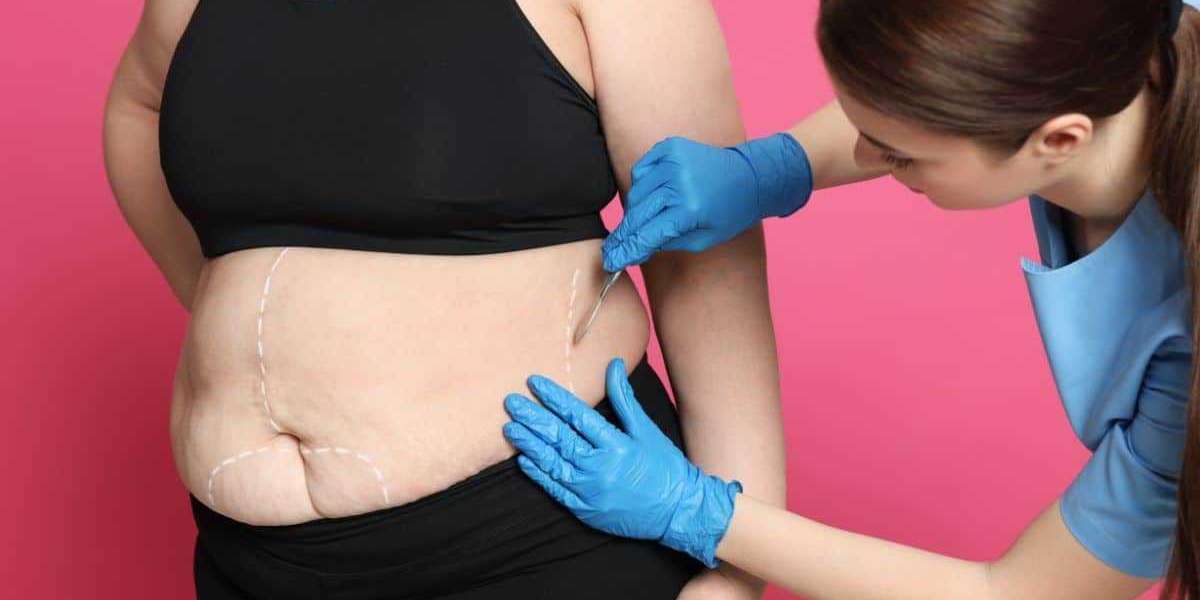

Bariatric surgery is a major step toward long-term weight loss, better health, and improved quality of life. But the journey does not end in the operating room. What truly determines long-lasting results is consistent, structured follow-up care. Patients in Islamabad have access to specialized post-surgery support designed to monitor recovery, guide lifestyle adjustments, and prevent complications. Understanding what follow-up care includes can help patients feel more confident, motivated, and successful throughout their weight loss transformation.
Why Follow-Up Care Matters
After bariatric surgery, the body undergoes rapid physical and metabolic changes. These changes must be monitored closely to ensure the patient heals properly and continues losing weight safely. Follow-up care also provides essential emotional and nutritional support, helping patients adopt healthy habits that last a lifetime. Regular check-ins keep patients accountable, reduce the risk of complications, and improve long-term success rates.
The Role of Post-Surgery Support
The third paragraph must include the first keyword once with its link, so here is the required placement:
Patients who undergo Bariatric Surgery in Islamabad need personalized aftercare plans to guide their transition into a healthier lifestyle. Dieticians, surgeons, and wellness experts work together to ensure a safe recovery, monitor nutritional intake, and adjust medical recommendations as the body adapts to weight loss.
Routine Check-Ups After Surgery
Follow-up appointments usually begin within the first week after surgery. During these early visits, surgeons check incision sites, monitor for complications, and evaluate how well the patient is adjusting to liquid or soft foods. Follow-up appointments gradually become spaced out to monthly visits and later every few months. Each appointment typically includes weight measurements, blood tests, and discussions about physical activity, diet, and medication management.
Nutritional Counseling and Guidance
Bariatric surgery significantly changes how the body absorbs nutrients. This makes nutritional support one of the most important aspects of follow-up care. Patients receive dietary plans that evolve over time from liquids to soft foods and eventually to balanced meals. Dietitians help patients learn portion control, choose nutrient-dense foods, and maintain healthy eating habits that support weight loss while preventing deficiencies. Supplement recommendations are also reviewed regularly to ensure patients remain energetic and healthy.
Physical Activity After Surgery
Movement is essential for recovery and long-term results. Follow-up programs typically include guidance on starting gentle exercises, such as walking or light stretching, during the first few weeks after surgery. As patients heal, fitness specialists or clinicians introduce more structured activities to improve metabolism, build muscle, and support steady weight loss. Sustainable exercise habits help maintain results and significantly improve overall well-being.
Emotional and Psychological Support
Weight loss is not just a physical journey; it deeply affects emotional wellbeing as well. Many bariatric clinics in Islamabad include counseling or support groups as part of their long-term care plans. Patients may experience changes in self-image, social interactions, or lifestyle habits that require professional guidance. Emotional support ensures patients stay motivated, manage stress, and embrace healthy behavioral patterns.
Monitoring Long-Term Health
Bariatric surgery can dramatically improve or even resolve conditions such as diabetes, high blood pressure, and sleep apnea. Follow-up care includes frequent medical evaluations to track improvements and adjust treatment plans. Blood pressure, blood sugar levels, vitamin levels, and hormone changes are all closely monitored to keep patients in optimal health. This long-term medical oversight ensures patients maintain progress and prevent potential complications.
Managing Plateaus or Slow Weight Loss
It’s common for patients to experience occasional weight loss plateaus months or years after surgery. Follow-up care helps identify the reasons behind these pauses—whether it’s dietary habits, emotional triggers, hormonal changes, or decreased activity levels. Clinicians then guide patients through adjustments or new strategies to restart progress. This ongoing support helps patients overcome obstacles and remain engaged in their weight loss journey.
Preventing and Detecting Complications Early
Effective follow-up care allows medical professionals to identify issues early, such as dehydration, nutritional deficiencies, gallstones, or gastrointestinal discomfort. Catching problems quickly helps avoid more serious complications and ensures patients continue healing as expected. Regular monitoring also allows for timely intervention if any surgical adjustments or medical treatments are needed.
Long-Term Lifestyle Coaching
The most successful weight loss transformations happen when patients fully embrace a healthier lifestyle. Many clinics offer long-term coaching focused on nutrition, fitness, mindset, and daily habits. This sustained guidance encourages patients to maintain consistency in their routine and feel empowered as they manage their new life after surgery. With the right follow-up care, the results of bariatric surgery can last a lifetime.
Conclusion
Consistent follow-up care is essential for achieving safe, effective, and long-lasting weight loss after bariatric surgery. Regular check-ups, nutritional support, emotional guidance, and lifestyle coaching all work together to ensure every patient thrives on their journey. For those seeking reliable and comprehensive post-surgery care, Enfield Royal Clinic in Islamabad offers trusted expertise and long-term support tailored to each individual’s needs.