Introduction
As families, we often notice small changes long before our loved ones speak about them. A parent who once moved confidently might suddenly avoid stairs or pause before sitting down. These subtle shifts often leave us wondering why daily movements have become so difficult and whether treatments like Tkr could make life easier. Understanding what seniors go through helps us support them with empathy, patience, and the right information.
Many families share similar experiences. One day everything seems fine, and the next, knee pain becomes a constant companion for the person you love. Learning what causes this discomfort and when solutions like Tkr are truly needed can bring clarity and reassurance during a stressful time.
Why Knee Problems Become More Noticeable With Age
Natural Wear and Tear on Joint Cartilage
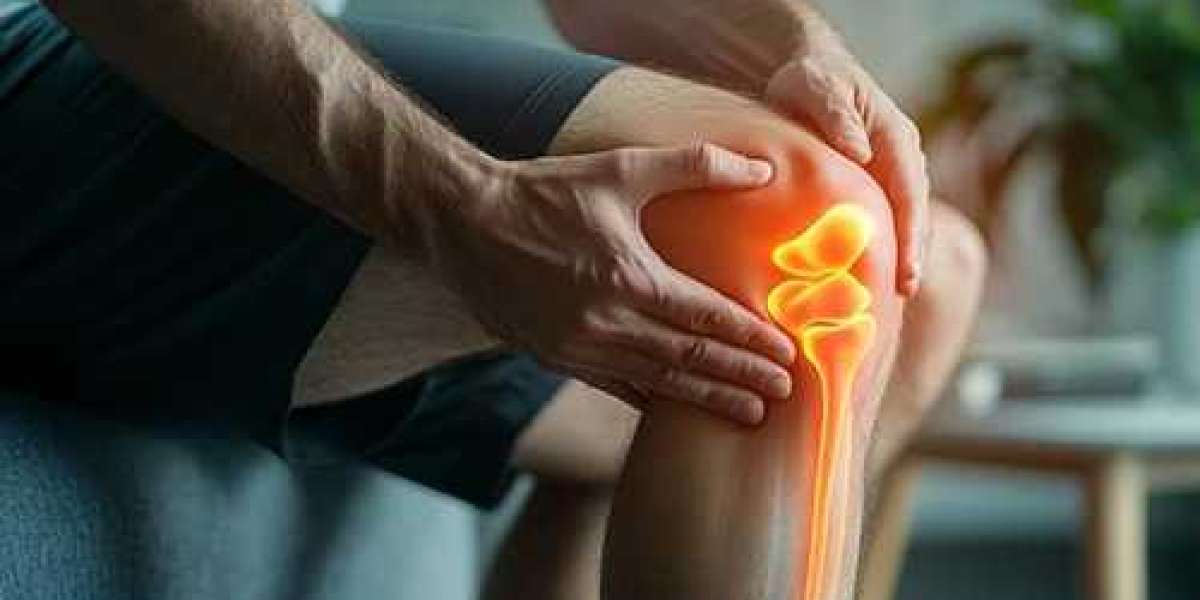
As seniors grow older, the smooth cartilage that cushions the knee joint begins to thin. This process happens slowly, but once it becomes significant, even gentle activities like walking inside the house can cause stiffness or discomfort.
Muscle Weakness That Affects Balance
Muscle strength gradually declines with age. When knee-supporting muscles lose strength, daily actions such as standing up from a chair or stepping into a vehicle become challenging. Families often notice these small struggles before seniors openly describe their pain.
Increased Sensitivity to Chronic Inflammation
Conditions like osteoarthritis cause inflammation that affects mobility. For seniors, this inflammation can flare up without warning, making day-to-day tasks feel heavier and more tiring.
How Pain Affects Daily Life for Seniors
Difficult Mornings and Stiff First Steps
Many families observe that mornings tend to be the hardest. Seniors may take longer to get out of bed because their joints feel locked or heavy. This can impact their confidence and willingness to move throughout the day.
Reduced Participation in Family Activities
Pain often pushes seniors to withdraw from simple pleasures like walks, social gatherings, or playing with grandchildren. Loved ones notice these emotional changes just as much as the physical ones.
Fear of Falling During Normal Tasks
One of the biggest concerns for families is the risk of falls. When knees feel unstable, activities like climbing stairs or walking on uneven surfaces become frightening for seniors.
When Families Should Consider Medical Evaluation
Persistent Pain That Doesn’t Improve With Rest
If your loved one has knee pain that doesn’t ease after rest or medication, it may be time for a medical assessment. Many families delay this step, hoping symptoms will fade on their own.
Difficulty Performing Everyday Movements
Trouble with bending, walking, or rising from chairs should never be dismissed as simple aging. These signs often indicate deeper joint issues.
Reduced Quality of Life
When pain affects mood, confidence, or sleep, families know it’s time to seek professional guidance.
When TKR Becomes a Helpful Option
Families often fear the idea of surgery, but modern approaches to Tkr focus on restoring daily comfort and independence. If joint damage is severe and conservative treatments no longer help, Total Knee Replacement(Tkr) can make a meaningful difference.
Some caregivers describe seeing their parents regain confidence in walking, moving freely again, and enjoying activities that had become too painful. These stories remind us that the goal is not just pain relief but also restoring dignity and mobility.
The keyword appears once more here in the middle content: Many doctors suggest considering Tkr when knee pain begins affecting everyday routines in a consistent and noticeable way.
What Families Should Look for When Choosing a Hospital
Below are essential factors families usually consider, along with simple explanations that help guide thoughtful decision making.
- Surgeon Experience
Look for specialists who handle knee surgeries frequently, as this usually means greater familiarity with complexities. - Hospital Safety Record
Families feel more reassured when they know the hospital maintains strong safety and infection control standards. - Rehabilitation Support
A good recovery plan matters as much as the surgery. Access to physiotherapy ensures smoother healing. - Clear Communication
Seniors and families benefit when medical teams explain procedures and expectations in easy to understand language. - Family Centered Care
Hospitals that involve family members in recovery planning often provide more personalized care and better outcomes.
How Families Can Support Seniors Before and After TKR
Talk Openly About Their Fears and Concerns
Many seniors hesitate to share their discomfort because they don’t want to burden their children. Gentle conversations help them feel heard and supported.
Help With Exercises and Healthy Routines
Light strengthening exercises recommended by doctors can prepare seniors for better mobility in the long term.
Create a Safe and Comfortable Home Environment
Simple adjustments like supportive seating, stable lighting, and slip resistant flooring can improve confidence and reduce fall risks.
Stay Involved During Appointments
Family presence helps seniors absorb information and feel emotionally supported. It also ensures important details aren’t missed.
The keyword is included again here: Some families note that understanding the entire Tkr journey makes them feel more prepared to support their loved ones.
Conclusion
Caring for seniors means noticing their struggles even when they remain unspoken. When mobility becomes difficult and daily activities start to feel overwhelming, understanding the causes helps families guide their loved ones toward the right care. Whether it involves lifestyle changes, physiotherapy, or eventually considering Tkr as a supportive option, families play a central role in helping seniors feel safe, valued, and understood.
At Soundarapandian Bone and Joint Hospital(SBJH), we are committed to providing world class healthcare with the warmth and compassion of a family run institution. Guided by a tradition of care, our highly skilled Orthopaedic surgeons and our dedicated team work together to ensure that every patient receives personalised treatment. We combine the latest in cutting edge technology with a deep sense of empathy and ethics, striving for excellence in orthopaedics while fostering a welcoming, supportive environment for all.
Frequently Asked Questions(FAQ):
Why do seniors commonly struggle with knee movements?
Age related cartilage loss, weakened muscles, and chronic inflammation make everyday movements more difficult for many seniors.
When should families consider medical evaluation for knee pain?
If pain lasts more than a few weeks, limits daily tasks, or affects emotional wellbeing, a medical check can be helpful.
Is Tkr the only option for severe knee pain?
No. Doctors often begin with physiotherapy, medications, or lifestyle changes. Tkr is considered when these treatments no longer provide relief.
How can families support seniors during recovery?
Encouraging regular exercises, accompanying them to appointments, and ensuring a safe home environment make recovery smoother.