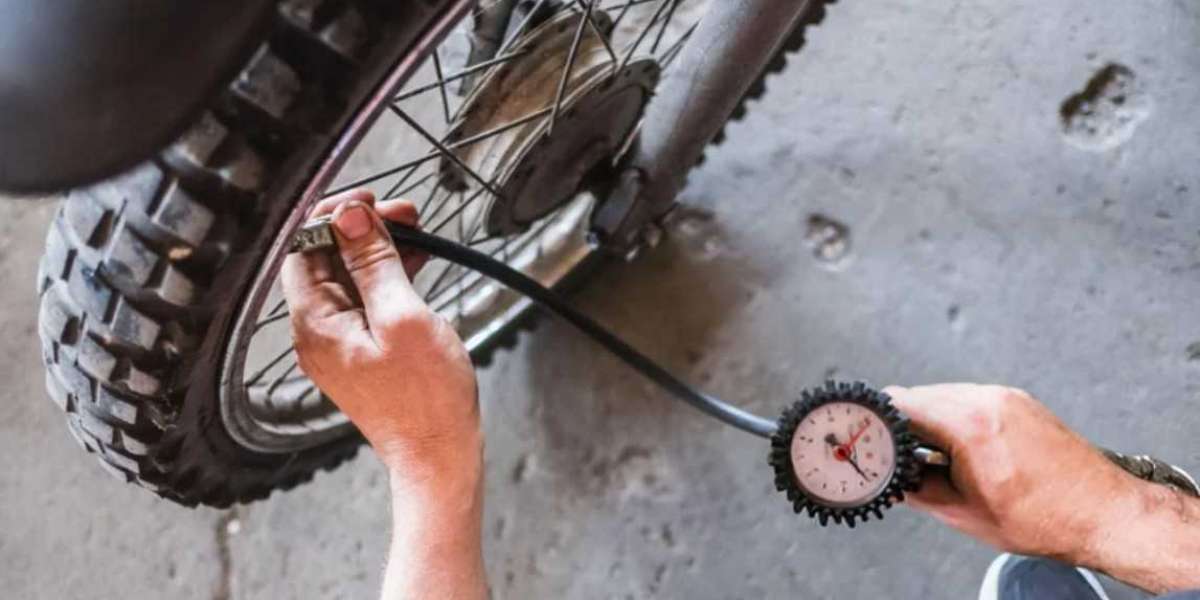

Motorcycle tires are the only point of contact between the bike and the road, which makes tire pressure one of the most critical factors in ensuring safety and performance—especially during highway riding. At high speeds, a motorcycle behaves differently compared to city environments. The tires generate more heat, face stronger wind resistance, and must maintain stability over long distances. If the PSI is too low, the tire becomes flexible, leading to overheating, wobbling, and poor fuel efficiency. If the PSI is too high, the tire becomes stiff, reducing traction and increasing the risk of skidding.
For this reason, experienced riders always check and adjust tire pressure before getting onto the highway, even if the journey is short. Highway rides demand precision, and proper tire PSI is a major factor in maintaining safety and control. Riders who want to develop technical expertise often choose structured learning through a Motorbike Maintenance Course, where they learn how to measure PSI correctly and understand how tire pressure affects handling and long-term tire health.
Recommended PSI for Highway Riding
Every motorcycle model comes with a manufacturer-recommended PSI range, usually listed on the swingarm sticker or inside the user manual. For most road motorcycles, the general guideline is between 32–36 PSI for the front tire and 36–42 PSI for the rear tire when riding on the highway. These numbers ensure the tire maintains optimal shape, grip, and durability at higher speeds.
The reason rear tires usually require higher PSI is simple: they carry more weight, deal with acceleration forces, and handle a larger share of road friction. Touring bikes, which often carry luggage, may require even higher PSI. Sport bikes, on the other hand, may have tighter PSI ranges to achieve stability at higher speeds.
It is important to note that highway PSI should be checked when the tires are cold. As the tires heat up on the road, the PSI naturally increases, which is factored into the recommended pressure. Overinflating the tire before the ride can lead to excessive pressure after heating, reducing grip and cornering confidence. Riders who learn tire dynamics in a Motorbike Maintenance Course gain the confidence to adjust PSI accurately for different road conditions and speeds.
Factors That Influence the Ideal Highway PSI
While manufacturer specifications are a starting point, several practical factors influence the correct PSI for highway travel. Weight is one of the biggest variables. If you are carrying luggage, a pillion rider, or heavy accessories, you may need to increase the rear tire pressure slightly. Road temperature also plays a role. Hot climates naturally increase tire pressure more quickly, meaning riders in warmer regions must be cautious about starting with PSI on the higher end.
Another factor is the type of tire. Tubeless tires behave differently from tubed ones because the air distribution inside the tire varies. Tubeless tires tend to retain air longer and maintain PSI more consistently. In contrast, tubed tires may require slightly more frequent pressure checks.
Riding style is also important. Aggressive riders who accelerate and brake hard put more stress on tires and may need to monitor PSI more frequently. These variables highlight the importance of understanding how motorcycle mechanics interact with real-world riding conditions—skills often built through proper training like a Motorbike Maintenance Course, which teaches riders how to adjust PSI scientifically rather than guessing.
How to Check and Adjust PSI Properly
Checking tire pressure may seem simple, but doing it correctly requires technique. Riders should use a reliable digital or analogue tire pressure gauge—not the ones found on fuel station compressors, which are often inaccurate. The reading should be taken when the tires are cold, preferably first thing in the morning or after the bike has been parked for several hours.
Once the PSI is checked, adjustments can be made using a manual or electric tire inflator. It is essential to add air gradually because overshooting the PSI requires releasing air, which can lead to inconsistent readings. After adjusting, riders should recheck the tire pressure to confirm accuracy.
Another important step is examining the tire visually for cracks, uneven wear, or embedded objects. Even with perfect PSI, a damaged tire can be dangerous at highway speeds. Training programs such as a Motorbike Maintenance Course teach riders how to conduct these inspections properly, ensuring that tire safety becomes a regular part of their maintenance routine rather than an occasional task.
Common Mistakes Riders Make with Tire Pressure
One of the most frequent mistakes riders make is assuming that a motorcycle can handle highway riding with the same PSI used during city commutes. City riding often involves lower speeds, frequent stops, and cooler tire temperatures. Highway riding, with its consistent high speed, demands a more precise PSI setup.
Another mistake is neglecting rear tire pressure. Since the rear tire carries more load, underinflation can lead to rapid wear, overheating, and potential tire failure. Some riders also rely on “feel,” assuming they can detect low PSI through handling alone. Unfortunately, tire pressure can be dangerously low without any noticeable symptoms until it’s too late.
Some riders also skip routine checks for weeks, which can be risky because tires naturally lose PSI over time. Proper knowledge and discipline help avoid these mistakes. Many riders strengthen their technical understanding by enrolling in a Motorbike Maintenance Course, which builds confidence and eliminates guesswork in tire care.
Why Proper Tire PSI Extends Motorcycle Life
Beyond safety, maintaining correct PSI significantly extends the life of motorcycle tires. Underinflated tires wear out more quickly along the edges, while overinflated tires wear out faster in the center. Consistently incorrect PSI reduces tire lifespan by thousands of kilometres, increasing replacement costs.
Fuel efficiency also improves when PSI is correct. Underinflated tires create more rolling resistance, forcing the engine to work harder, especially at highway speeds. With fuel prices rising worldwide, maintaining proper PSI is a simple yet effective way to save money on long rides.