
The demand for on-demand home services has increased massively over the past few years. People now prefer quick, convenient, and reliable services with just a tap on their phone. From plumbing repairs to electrical fixes, painting, cleaning, appliance servicing, carpentry, and other home maintenance needs, users expect instant solutions without long waiting times. This shift has pushed businesses to explore digital platforms, especially handyman apps that work like Uber. A handyman app functions as a digital marketplace where customers book nearby service professionals in real time. It brings convenience to users, steady bookings to service providers, and more revenue to business owners. For companies looking to enter the on-demand home services industry, creating a handyman app like Uber is one of the smartest ways to scale quickly and build a strong digital presence. This blog explains how such apps work, key features to include, development costs, revenue models, and the business benefits you can expect.
Why Handyman Apps Like Uber Are Growing Fast
The major reason behind the growth of handyman apps is customer expectations. People want fast and reliable solutions without searching manually or waiting for recommendations. A handyman app fixes this problem by providing instant access to verified service providers. Another reason is the convenience for professionals. It allows them to receive more bookings, manage schedules, and get paid on time. Businesses benefit too, as they can manage everything from one system and grow without opening physical offices.
How a Handyman App Like Uber Works
Customer Side Workflow
The customer downloads the app, signs up, selects the service needed, adds their location, checks the available professionals, views pricing, and confirms the booking. The customer can track the handyman, communicate through chat or call, pay digitally, and rate the service afterward.
Service Provider Side Workflow
The service provider registers, uploads required documents, sets availability, receives incoming requests, accepts tasks, completes the job, and receives payment directly in the wallet or bank.
Admin Workflow
The admin manages all operations, including customer accounts, partner accounts, bookings, pricing, offers, commission settings, and overall business analytics.
Key Features of a Handyman App Like Uber
Customer App Features
Easy Registration and Login
Users must be able to create an account quickly using email, mobile number, or social login.
Service Categories and Search
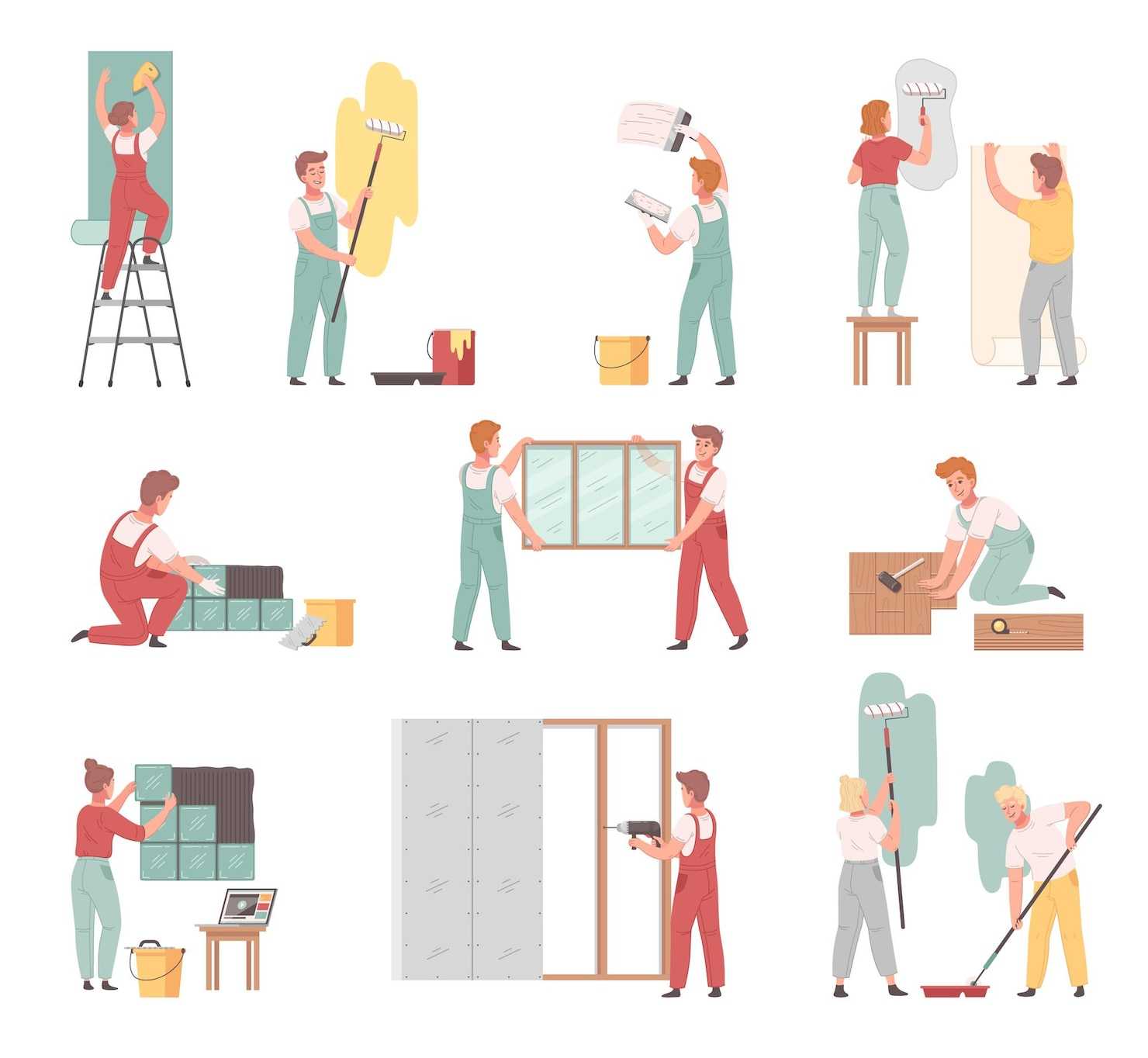
Customers should easily browse different handyman services like plumbing, carpentry, painting, cleaning, electrical repairs, appliance fixes, pest control, furniture installation, and more.
Real-Time Booking
Users can select a service, choose a preferred professional, and schedule a booking instantly.
Service Provider Profiles
Profiles show experience, ratings, reviews, pricing, and portfolio to help customers choose the right professional.
Real-Time Tracking
Customers should track the handyman’s live location similar to ride-hailing apps.
Multiple Payment Options
Debit card, credit card, net banking, wallet, and cash on delivery make the process smooth.
In-App Chat and Calls
Customers can communicate directly with the service provider for quick updates.
Order History
A complete list of previous services, invoices, and upcoming bookings improves transparency.
Ratings and Reviews
Customers can rate their experience, helping maintain quality in the platform.
Service Provider App Features
Profile Setup
Professionals can add skills, pricing, experience, and work availability.
Service Request Management
Providers can accept or reject incoming job requests based on availability.
GPS Navigation
Integration with maps helps providers reach the customer location easily.
Earnings Dashboard
A dedicated earnings panel shows daily, weekly, and monthly income.
Document Verification
Professionals upload ID proof, skill certificates, and background check documents for safety.
Calendar Scheduling
Providers can manage appointments and set availability times.
Instant Notifications
Professionals get alerts for new jobs, payments, and updates.
Admin Panel Features
User Management
Admins can manage customer accounts, providers, and business partners.
Service Category Control
Admins can add, remove, or edit service categories, pricing, and offers.
Booking Management
Admins can monitor all active, completed, and canceled bookings.
Payment and Commission Control
Admins can manage earnings, commissions, payouts, and transaction history.
Reports and Analytics
Real-time dashboards help understand business growth, trends, high-demand services, and revenue performance.
Marketing Tools
Admin can send push notifications, offer coupons, and run promotions to increase engagement.
Additional Advanced Features to Improve Customer Experience
AI-Based Service Recommendations
AI suggests the right service based on user behavior and location.
Dynamic Pricing
Pricing changes based on demand, location, and availability to maintain a healthy balance.
In-App Tips
Users can offer tips directly to service providers through the app.
Multi-Language Support
Local language options help reach more users.
Subscription Plans
Users can buy monthly maintenance packages for plumbing, electrical, cleaning, or painting services.
Referral Rewards
Users earn rewards by referring friends, increasing app installs at zero marketing cost.
Technologies Used in a Handyman App Like Uber
A successful handyman app requires a strong technical backbone. Developers typically use Swift or Kotlin for native apps, or Flutter and React Native for cross-platform apps. Backend systems may be built on Node.js, Laravel, or Python frameworks. Databases like MySQL or MongoDB store user and service data. Cloud hosting platforms like AWS or Google Cloud ensure smooth scalability. Secure payment gateways are integrated for safe transactions. The tech stack directly impacts speed, security, and performance.
Cost of Developing a Handyman App Like Uber
The cost of developing an Uber-like handyman app depends on multiple factors: number of features, app design complexity, technology stack, platform (Android, iOS, or both), location of the development team, custom integrations, admin panel complexity, and timeline requirements. On average, development costs range from low-budget ready-made solutions to high-end custom apps.
Ready-Made App Cost
Ready-made scripts cost less and can be launched in a few days. These are ideal for startups who want fast growth and low investment.
Custom App Development Cost
Custom-built apps offer more flexibility but require higher investment and longer development time. Businesses prefer custom solutions when they want full control and unique features.
Revenue Models for a Handyman App Like Uber
Handyman apps can generate revenue in multiple ways:
Commission on Each Booking
A percentage is taken from each completed service.
Surge Pricing
Prices rise during peak hours or high-demand days.
Subscription Plans
Customers pay monthly or yearly maintenance plans.
Featured Listings for Professionals
Handymen pay to rank higher in search results.
Advertisements
Brands or partners can run ads on the app.
Service Charges
Extra convenience charges added on high-value bookings.
Read More: How to Launch a Handyman App Like Uber: Features, Pricing Growth Strategy
Business Benefits of Launching a Handyman App Like Uber
Increased Customer Reach
An app connects businesses with thousands of customers in nearby locations without physical offices.
Streamlined Operations
Bookings, payments, scheduling, customer support, and job management all happen in one place.
Higher Revenue
More visibility, more bookings, and multiple earning streams lead to steady income.
Better Customer Experience
Customers can request services anytime, track progress, make digital payments, and rate professionals.
Trust and Transparency
Reviews, verified professionals, and real-time updates create a secure environment.
Easy Scaling
Businesses can add new cities, new services, and new professionals effortlessly.
Data-Driven Business Decisions
Analytics help identify top-performing services, customer preferences, and growth opportunities.
Who Should Invest in a Handyman App Like Uber
This business model is ideal for home service companies, startups entering the on-demand industry, traditional service providers aiming to digitalize, entrepreneurs targeting specific niches like plumbing or cleaning, and marketplace businesses seeking long-term passive income.
Future of Handyman Apps
The future of handyman apps will see automation, AI-driven support, advanced scheduling systems, digital tool tracking, smart home integrations, and real-time quality checks. Businesses adopting these technologies early will dominate the market.
Conclusion
A handyman app like Uber helps businesses grow faster, reach more customers, and streamline operations. With advanced features, strong technology, clear revenue models, and high market demand, these apps offer a solid business opportunity. Whether you choose ready-made solutions or custom development, the right app can transform your service business and make it future-ready when built with a reliable clone app development company.
How does a handyman app like Uber work?
It connects customers to available technicians based on location, skills, and timing. Users choose a service, book instantly, and track the handyman until the job is completed.
What services can be offered through a handyman app?
Plumbing, electrical work, cleaning, appliance repair, painting, carpentry, and other home maintenance tasks can all be managed through the app.
Is digital payment integration necessary?
Yes, digital payments make the process smoother, safer, and easier to track. It helps businesses maintain clean financial records and reduces manual payment errors.
How can a handyman app improve customer satisfaction?
Faster bookings, real-time tracking, reliable communication, and transparent pricing make the entire service smooth, helping customers feel more confident and satisfied.
What are the main benefits for business owners?
They get better workforce management, higher productivity, reduced delays, increased bookings, and complete transparency over daily operations.