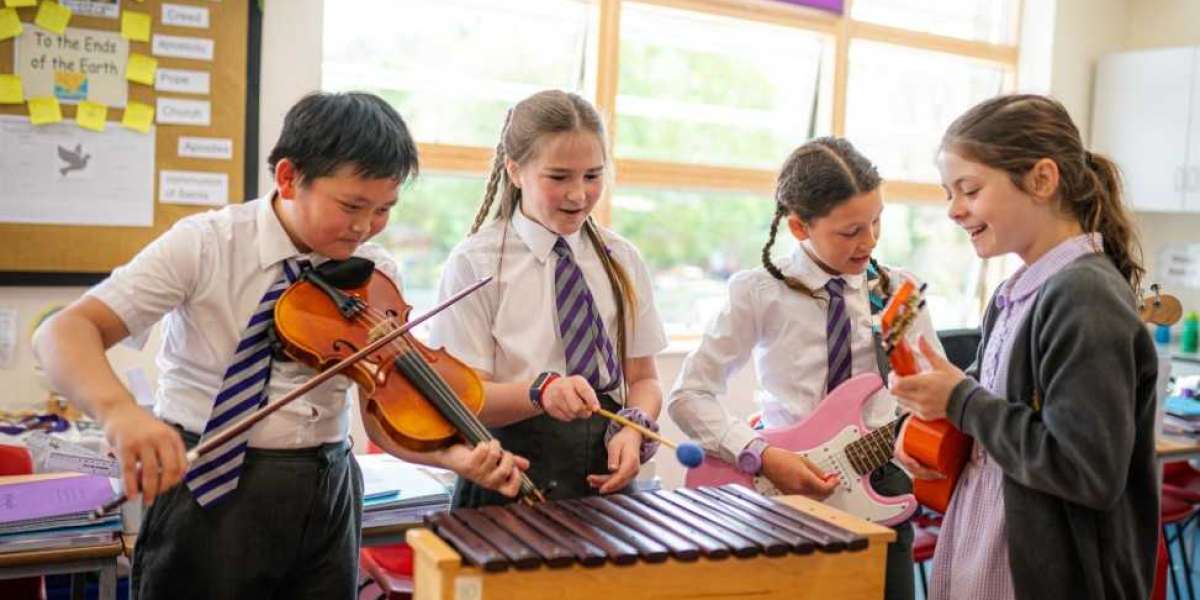

Promoting equality and inclusion is a fundamental responsibility for anyone working with children and young people. These principles ensure that every child, regardless of their background, identity, or ability, feels valued, respected, and able to participate fully in their learning environment. Modern childcare and educational settings prioritise inclusive practices, not just as a moral obligation but also as part of legal frameworks that protect young people. Creating an inclusive environment takes continuous effort, reflective practice, and awareness of the barriers children may face. This topic is therefore essential for learners completing the Diploma for the children and young people's workforce, as equality and inclusion form the backbone of effective professional practice.
Understanding Equality and Inclusion in Practice
Equality means ensuring that every child has access to the same opportunities, resources, and support, regardless of differences such as ethnicity, disability, language, gender, or socioeconomic background. Inclusion goes a step further by actively removing barriers and creating environments where all children can participate meaningfully. In practical terms, this could mean adapting activities for children with additional needs, using inclusive language, and making sure classroom materials reflect cultural diversity. True inclusion requires practitioners to challenge bias and recognise that every child has unique strengths and needs. When staff fully understand these principles, they can support children more effectively and foster an environment where differences are celebrated.
Recognising and Removing Barriers to Participation
Children may face visible and invisible barriers that affect their ability to participate equally. Physical barriers include inaccessible classrooms or play areas that hinder children with disabilities. Communication barriers arise when children speak different languages or struggle with speech and language needs. Social barriers may appear when children feel excluded due to cultural differences or lack of confidence. Emotional barriers can develop through experiences of bullying or discrimination. Practitioners have a duty to identify these obstacles early and respond appropriately. This may involve adapting teaching methods, introducing visual aids, modifying physical spaces, or working closely with families. Removing barriers ensures that every child has the chance to thrive and contribute.
Promoting Positive Attitudes and Challenging Discrimination
Children observe and learn from adult behaviour, making it essential for professionals to model respect, fairness, and inclusivity. Promoting positive attitudes begins with acknowledging diversity as a strength. Using multicultural resources, celebrating different traditions, and teaching children about respect help create a welcoming environment. Equally important is the responsibility to challenge discrimination whenever it arises — whether it’s teasing, stereotyping, or exclusionary behaviour. Practitioners must address these issues calmly and firmly, helping children understand why certain actions are harmful. These conversations build empathy, emotional intelligence, and social awareness. Over time, this approach helps create a culture where children feel safe expressing themselves without fear of judgement.
Supporting the Individual Needs of Each Child
Every child brings their own experiences, abilities, and learning styles into the setting. Supporting individual needs means adapting teaching approaches, offering personalised support, and recognising when additional help may be required. For example, children with special educational needs may need sensory tools, one-to-one support, or alternative communication methods. Those learning English as an additional language may benefit from visual prompts or simplified instructions. Emotional needs must also be considered, especially for children dealing with trauma or instability at home. Practitioners can work with parents, external agencies, and other professionals to create tailored support plans. By valuing each child as an individual, inclusion becomes more meaningful and effective.
Encouraging Participation and Empowering Children’s Voices
Participation is a key element of inclusion. Children should be encouraged to share their opinions, make choices, and contribute to decisions that affect their daily routines. Empowering children’s voices helps them develop confidence, independence, and a sense of belonging. This can be achieved through group discussions, child-led activities, or simply asking for their preferences in daily tasks. Practitioners should listen carefully, showing children that their ideas are respected and valued. When children feel heard, they are more likely to engage positively with learning and form strong relationships within the setting. Participation also helps identify any concerns or barriers that may otherwise go unnoticed.
Working in Partnership with Families and Professionals
Promoting equality and inclusion cannot be achieved by practitioners alone. Working collaboratively with families ensures that children’s cultural backgrounds, beliefs, and individual needs are understood and respected. Engaging with parents provides insight into a child’s home environment and helps build trust. Additionally, external professionals such as speech therapists, social workers, and special education specialists offer guidance and support in addressing complex needs. Strong partnership working ensures a holistic approach, where everyone involved shares responsibility for the child’s well-being and development. Regular communication, information sharing, and consistent practices across home and school strengthen the child’s support network and promote inclusive outcomes.
Why Equality and Inclusion Training Is Essential for Practitioners
To effectively promote equality and inclusion, professionals need up-to-date knowledge, reflective skills, and a deep understanding of safeguarding responsibilities. Formal training helps practitioners understand legislation, develop inclusive strategies, and recognise unconscious bias. Completing the Diploma for the children and young people's workforce provides learners with the foundational knowledge required to support all children in diverse settings. This qualification covers inclusive practice in depth, enabling professionals to handle real-life challenges with confidence. Training empowers practitioners to make informed decisions, communicate effectively, and adopt a proactive approach to fairness and participation.
Final Thoughts
Promoting equality and inclusion is more than a requirement — it is the foundation of a nurturing, supportive environment where every child can succeed. By understanding barriers, celebrating diversity, empowering children’s voices, and working closely with families and professionals, practitioners create settings where inclusion becomes the norm.