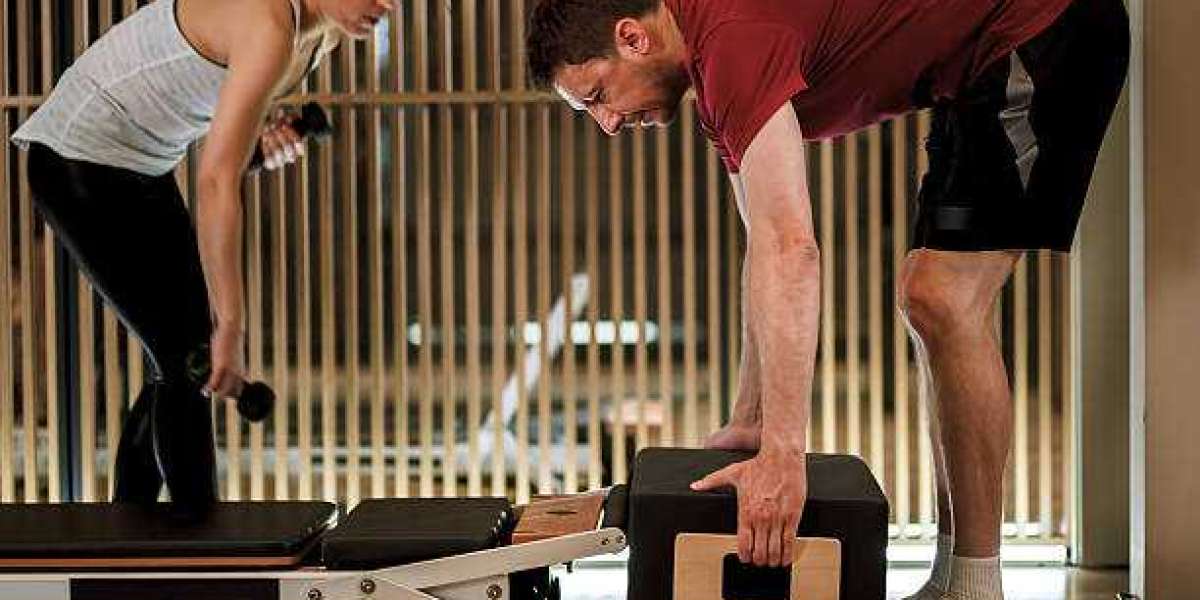

Deep core strength supports how you sit, stand, and move. It steadies your spine and protects your back. Yet many people only train the surface abs. They crunch hard but miss the true stabilizers. As a result, pain lingers and posture slips. This guide breaks down what Pilates instructors focus on and why those details matter. You’ll discover how to use your breath, align your body, and follow easy cues. You’ll also find safe progressions and everyday tips you can apply right away. These are the same basics that pilates personal instructors Gold Coast Chicago IL, teach consistently to build steady strength. Let’s make the process simple and practical for you.
Pilates Personal Instructors Gold Coast Chicago IL — What “Deep Core” Really Means
The deep core is your body’s inner support team. It includes your diaphragm, pelvic floor, transverse abdominis, and multifidus. Together, they create pressure that braces your spine. Then your outer muscles can move with control. Many people think strong equals tight. However, teachers aim for responsive, not rigid. You want muscles that switch on and off as you move. You also wish to power that starts from your breath and pelvis. That is why pilates personal instructors start with awareness before big moves. When the inner unit fires first, your whole body feels lighter and safer.
Breathe First: The Diaphragm Leads the Way
Good breath is the entry point to deep support. The diaphragm drops as you inhale. Your ribs widen, and your belly gently expands. Then, on the exhale, the deep core tightens like a soft hug. Because breath links mind and muscle, teachers practice it every session. It calms the nervous system and lowers neck strain. It also sets the timing for each move. Try this simple drill at home.
- Inhale through the nose and feel the ribs widen sideways.
- Exhale through the mouth as if fogging glass.
- Gently draw the lower belly toward the spine.
- Keep shoulders soft and jaw easy throughout.
Therefore, breath guides every rep and protects your back.
Alignment Basics: Neutral, Not Rigid
Teachers coach a neutral spine for most core work. Neutral means your natural curves are present. It is not flat and not arched. First, place your pelvis so that the hip bones and pubic bone feel level. Next, lengthen through the crown of your head. Then, soften your ribs down without slumping. Because neutral spreads the load, your back stays happy. It also gives the inner unit space to work. If pain pops up, you can adjust the angle slightly. Small shifts help you find comfort. As you learn, your body will hold this shape with less effort.
“Stack the ribs over the pelvis, then let the breath do its job.”
Meet the Inner Unit
Teachers often name these muscles. The table shows what each one does during deep core work.
Muscle/Structure | Main Role in Core Work | Simple Cue |
|---|---|---|
Diaphragm | Controls pressure with each breath | “Breathe wide into your ribs.” |
Transverse Abdominis | Wraps the waist like a belt | “Zip up below the belly button.” |
Pelvic Floor | Supports organs and spine | “Gently lift the hammock.” |
Multifidus | Stabilizes small spinal joints | “Grow tall through your back.” |
Because the system works as one, timing matters most. And yes, pilates personal instructors Gold Coast Chicago IL, use these same cues every session.
Coaching Cues That Make It Click
Sometimes, all it takes is the right cue to improve your form. Pilates personal instructors Gold Coast Chicago IL, rely on brief, effective phrases and sensory imagery to guide movement. Use these common cues as you practice.
- “Exhale, then move.”
- “Hug your waist without holding your breath.”
- “Shine your chest, but keep your ribs soft.”
- “Press the big toe mound to wake your legs.”
- “Grow tall before you lift.”
- “Move slow; feel the start, middle, and finish.”
Because small changes matter, these cues guide safe strength. They also build trust in your body. Over time, your default posture improves without force.
Smart Progressions and Safety
Teachers build from simple to complex. They match the drill to your control and breath.
- Beginner: Find and Feel
Start on the floor with breath and gentle bracing. Practice heel slides and marches. Keep ribs steady and jaw soft.
- Intermediate: Add Load and Reach
Then move to dead bugs, bridges, and side planks. Use a slow tempo and even exhale. Hold form when the limbs move.
- Advanced: Challenge Rotation and Balance
As you advance, include roll-ups, teasers, and standing exercises. Maintain pelvic control during twists and pause if your back tightens. Growth should feel gradual, not overwhelming, so schedule rest days. When extra care is needed, pilates personal instructors Gold Coast Chicago IL, modify exercises to keep sensitive backs safe.
Everyday Carryover: Posture, Pain, and Energy
Deep core work helps real life, not just workouts. It improves how you sit at your desk. It enables you to lift groceries without strain. It steadies your steps on stairs. Therefore, you waste less energy fighting gravity. You also breathe deeper and feel calmer. Many notice back discomfort fading and sleep improving as their bodies settle into better patterns. A slow exhale can calm stress and bring you back into alignment. With your inner unit active, you move more freely and confidently. And according to Pilates personal instructors Gold Coast Chicago IL, steady practice often leads to improved posture and less pain in everyday tasks.
“Train the core so life feels easier, not harder.”
Simple Home Plan: Build a Steady Core Week by Week
Consistency beats intensity for deep core gains. You do not need long sessions. You need regular practice with focus. Start with five to ten minutes most days. Pair breath work with a few drills. Track what feels better. Then, slowly add challenges. Here is a sample path.
- Week 1–2: Breath, heel slides, and gentle bridges.
- Week 3–4: Dead bugs, side planks on knees, and clamshells.
- Week 5–6: Roll-downs, bird-dog, and standing balance reaches.
Because you advance with care, your core stays happy. And your progress sticks. If anything hurts, scale back and reset. Slow wins here.
Your deep core is your quiet anchor.
When you train it with breath, alignment, and patience, your body feels supported. You stand taller, move more easily, and handle stress better. If you want a steady guide on this path, Better Posture Pilates can help you shape a plan that fits your life—what small habit will you start today?





