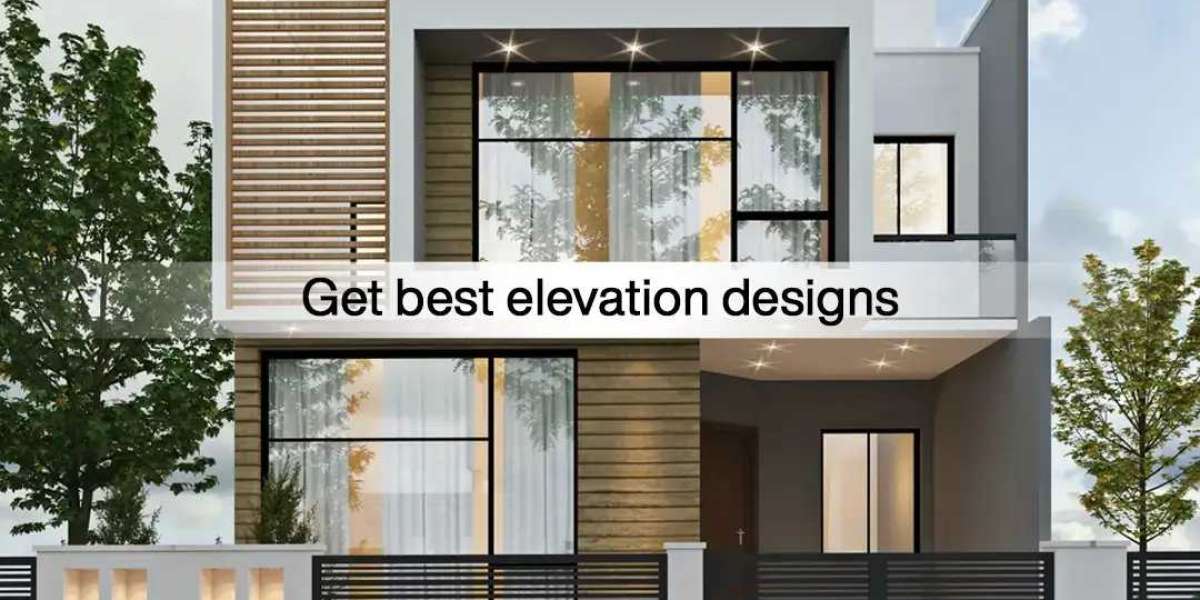

A thoughtfully planned home elevation is more than just the exterior of your house; it’s the first impression your home gives. Whether you opt for a sleek modern look or a classic façade, a well-executed home elevation can reflect your style, enhance curb appeal, and add real value to your property.
What Makes a Good Home Elevation
A proper home elevation design should clearly showcase external features like doors, windows, and walls. It should reflect the size, shape, and symmetry of your house and incorporate colors, textures, or materials that express your personal taste. Beyond appearance, elevation design must ensure structural durability and aesthetic longevity, combining beauty with practicality.
Types of Elevation Designs
When planning a home elevation, there are several types to consider, each suited for different needs:
- Front Elevation Design: The primary exterior view, what visitors and passersby see first.
- Side Elevation Design: Highlights the side profile of the house, useful for homes with interesting architectural features on the sides.
- Rear Elevation Design: Focuses on the backside of the house, often designed for gardens, balconies, or backyard areas.
- Split-Level or Multi-Level Elevation: Ideal for houses with varied storeys or staggered layouts, these designs show depth and perspective.
By choosing the right type of elevation, you ensure the exterior design suits your home layout, plot size, and lifestyle needs.
Styles and Aesthetic Options
The style you choose for your home elevation plays a big role in the final look of your house. Some popular styles include:
- Contemporary/Modern: Clean lines, minimalist detailing, glass, metal, or sleek finishes, perfect for a sophisticated, up‑to‑date appearance.
- Traditional / Classic: With ornamental detailing, balanced symmetry, and timeless materials, great for a more heritage or conventional look.
- Rustic/Natural Finish: Incorporating materials like stone, wood, and textured natural surfaces to provide a warm, earthy look for those who prefer natural charm and simplicity.
Depending on your preference, plot size, and budget, you can choose a style that best matches your vision for the home exterior.
Benefits of Investing in Good Home Elevation
A good home elevation isn’t merely about looks; it adds substantial value and benefits:
- Enhanced curb appeal: A visually appealing exterior ensures your home stands out in the neighborhood and leaves a strong first impression.
- Increased property value: A thoughtfully designed elevation can boost market value, making it a smart long-term investment.
- Better functionality comfort: Proper placement of doors, windows, and structural elements ensures better natural light, ventilation, and practicality.
- Flexibility across house types: Whether a single‑storey bungalow or a multi‑storey duplex, elevation design adapts to your home’s size and layout needs.
How to Choose the Right Elevation Design for Your Home
When selecting a home elevation design, consider these factors:
- Analyze your plot size, house layout, and number of floors to choose between ground floor, duplex, or multi‑storey elevation.
- Decide on a design style (modern, traditional, or rustic) that matches your lifestyle and aesthetic preferences.
- Choose materials and finishes (glass, wood, stone cladding, textured paints) that complement the overall design and climate.
- Balance cost, durability, and aesthetics; a simple yet smart elevation can also look attractive without overspending.
Conclusion: Elevate Your Home’s First Impression
A well-designed home elevation can dramatically transform how your home is perceived from the street view to visitors’ first impression. Whether you prefer sleek modern looks or timeless traditional charm, investing time in a proper elevation design ensures your home stands out, functions well, and retains value over time.
With a thoughtful blend of design type, style, materials, and smart planning, your home elevation can become the perfect introduction to your dream home.