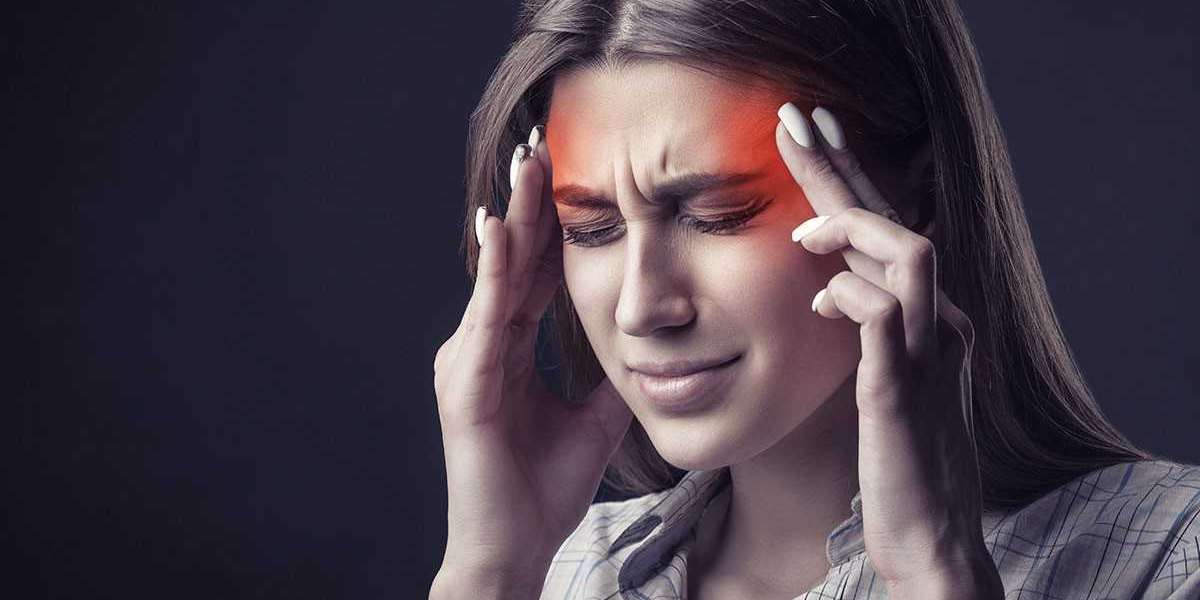

Headaches are a common ailment that can range from mild discomfort to debilitating pain. While medication provides relief for many, massage therapy is a natural, non-invasive method to alleviate headache symptoms. By targeting tension in specific muscles, improving circulation, and promoting relaxation, massage can reduce the frequency and intensity of headaches, including migraines.
Understanding Headache Types:
Before exploring massage techniques, it is essential to understand the types of headaches. Tension headaches, migraines, and cluster headaches are the most common forms. Tension headaches often arise from stress or muscle strain in the neck and shoulders. Migraines, however, are more complex, involving neurological changes, triggers, and intense pain. Massage techniques can complement other treatments, especially for tension-related and migraine headaches.
For individuals seeking professional management for recurring migraines, migraine and headache in Islamabad can provide specialized care and tailored strategies to manage symptoms effectively.
Benefits of Massage for Headaches:
Massage therapy reduces headaches through several mechanisms:
Muscle Relaxation: Relieves tension in the neck, shoulders, and scalp.
Improved Blood Circulation: Enhances oxygen and nutrient flow to the brain.
Endorphin Release: Promotes natural pain relief and relaxation.
Stress Reduction: Lowers cortisol levels, minimizing stress-induced headaches.
By incorporating massage into a regular routine, individuals can significantly decrease headache frequency and intensity while promoting overall well-being.
Scalp Massage Techniques:
Scalp massage improves blood flow and relaxes tension in the head muscles. To perform a simple scalp massage:
Use fingertips to gently press and knead the scalp in circular motions.
Start at the forehead and work toward the crown of the head.
Spend 5–10 minutes massaging each area.
Scalp massage is particularly effective in relieving migraines accompanied by scalp sensitivity or tension. Combining this technique with aromatherapy oils, such as lavender or peppermint, can further enhance its calming effects.
Neck and Shoulder Massage:
Muscle tension in the neck and shoulders is a major contributor to headaches. A focused massage in these areas can relieve stress and prevent headaches:
Place hands on the shoulders and use thumbs to apply gentle pressure in circular motions.
Massage the back of the neck using upward strokes from the base to the skull.
Pay attention to tender spots and trigger points, gently releasing them.
Regular neck and shoulder massages can prevent tension headaches and reduce migraine frequency by addressing one of the most common pain sources.
Temple and Facial Massage:
Facial and temple massage targets pressure points associated with headache relief:
Use index and middle fingers to gently massage the temples in small circular motions.
Massage the area between the eyebrows and along the jawline.
Apply light pressure to the area above the cheekbones to release tension.
This technique not only relieves headaches but also promotes relaxation and reduces stress-induced facial tension, which can exacerbate migraine symptoms.
Hand and Foot Reflexology:
Reflexology involves applying pressure to specific points on the hands and feet that correspond to different parts of the body, including the head. Benefits include:
Stimulating nerve pathways to reduce headache pain
Promoting relaxation and overall body balance
Enhancing circulation to reduce stress and tension
Practicing reflexology regularly can complement other massage techniques for holistic headache management.
Self-Massage Tips:
For individuals who cannot access professional massage therapy, self-massage is an effective alternative. Tips include:
Use gentle, circular motions to avoid straining muscles.
Combine massage with deep breathing to enhance relaxation.
Apply warm compresses to tense areas to relax muscles before massage.
Maintain consistency; daily or several times per week provides the best results.
Self-massage empowers individuals to manage headaches proactively, reducing dependence on medications and minimizing discomfort.
Combining Massage with Other Therapies:
Massage therapy works best when combined with other headache management strategies. These include:
Hydration: Dehydration can trigger headaches, so regular water intake is crucial.
Dietary Adjustments: Avoiding trigger foods can reduce migraine frequency.
Stress Management: Mindfulness, yoga, and meditation complement massage benefits.
Professional Care: Consulting specialists for personalized treatment plans enhances results.
An integrated approach addresses both immediate headache relief and long-term prevention, providing comprehensive care.
When to Seek Professional Help:
While massage can alleviate many headache types, some cases require medical attention. Seek professional care if headaches:
Occur frequently or worsen over time
Are accompanied by vision changes, dizziness, or neurological symptoms
Do not respond to home therapies or over-the-counter medication
Specialists can assess underlying causes, recommend appropriate therapies, and create a personalized headache management plan.
The Royal cosmetic surgery clinic offers expert consultation and treatment for chronic headaches and migraines, providing tailored interventions to help patients manage pain and improve quality of life.
Conclusion:
Massage techniques are a powerful tool in headache management. Scalp, neck, shoulder, temple, facial, and reflexology massages all help reduce tension, improve circulation, and promote relaxation. When combined with hydration, dietary adjustments, stress management, and professional care, massage provides an effective, holistic approach to preventing and alleviating headaches. By incorporating these techniques into a regular routine, individuals can achieve long-lasting relief and regain control over their daily lives.