
Prewiring is one of the most important steps in building a modern home. It determines how well your internet works, where your TVs can go, how your speakers sound, and how smoothly future upgrades will be. Yet many homeowners planning prewiring for new construction in North Shore MA underestimate how many decisions must be made early. Mistakes in this stage can lead to poor performance, visible wires, or expensive changes later. This guide highlights the biggest mistakes homeowners make during prewiring and how to avoid them.
Why Prewiring for New Construction in North Shore MA Often Leads to Mistakes
Prewiring happens long before walls, paint, or furniture. One technician explained, “People focus on how their home will look, not how it will work.” Because the wiring sits inside the walls, homeowners often overlook it or rush the planning. But every forgotten wire or poorly planned line creates long-term issues. Homes today rely on strong networks and hidden wiring, making prewiring essential—not optional.
Mistake 1: Not Planning Where Devices Will Go
The biggest mistake happens before the first wire is pulled. Many homeowners do not map out where TVs, speakers, cameras, or smart devices will sit.
This leads to:
- TVs placed far from outlets
- Rooms with weak Wi-Fi
- Speakers with poor sound spread
- Cameras without proper angles
- Visible wires after construction
Planning device placement early prevents these issues.
Mistake 2: Assuming Wi-Fi Alone Will Cover the Whole House
Wi-Fi helps connect devices, but it cannot reach every room without support. Some homeowners think one router will handle the entire house, even in larger or multi-level homes.
A simple table shows common Wi-Fi issues:
Location | Problem | Cause |
|---|---|---|
Far bedrooms | Weak signal | Distance from router |
Basement | Slow speeds | Concrete or thick walls |
Outdoor areas | Limited range | No access point |
Upper floors | Drop-offs | Poor coverage spread |
Professionals handling prewiring for new construction in North Shore MA add wiring for access points to support whole-home coverage.
Mistake 3: Not Adding Enough Ethernet Lines
Ethernet remains the fastest and most stable connection. Many homeowners regret not adding more Ethernet lines once the home is finished.
Ethernet helps with:
- Streaming
- Gaming
- Smart TVs
- Home offices
- Security systems
Why Ethernet Still Matters
Even with strong Wi-Fi, wired connections keep devices stable and fast, reducing buffering and signal loss.
Mistake 4: Forgetting About Future Technology
Technology changes quickly. A home built today should be ready for upgrades tomorrow. Many homeowners choose the bare minimum wiring, only to realize later that they need more.
Common future needs include:
- Additional TVs
- More cameras
- Smart switches
- Expanded audio systems
- New internet equipment
Workers often hear the same line: “I wish I had added that wire before the walls closed.”
Mistake 5: Not Prewiring for Outdoor Spaces
Outdoor entertainment has become more popular, yet many homeowners forget about wiring for:
- Outdoor speakers
- Security cameras
- TVs
- Lighting controls
- Wi-Fi access
Outdoor wiring is easiest during construction, not after the yard is complete.
Professionals offering prewiring for new construction in North Shore MA always ask about outdoor plans so the home is ready for long-term use.
Mistake 6: Choosing the Wrong Cable Types
Not all cables are the same. Using weak or outdated cables limits performance.
Important cable types include:
- Cat6 or Cat6a for data
- Coaxial for TV signals
- Speaker wire for audio
- Low-voltage lines for security
- Fiber backup lines for future use
One installer said, “Cheap cables cost more later.” Using strong cables now prevents early replacement.
Mistake 7: Not Labeling the Wiring
This simple mistake creates a lot of confusion. Without labeling, homeowners do not know which line goes to which room or device.
Clear labels help with:
- Future upgrades
- Troubleshooting
- Adding new equipment
- Moving devices
- Maintenance
Labeling takes only minutes but saves hours in the future.
How Professionals Label Correctly
Experts mark:
- Each line
- Room destination
- Device type
- Panel location
- Cable purpose
This organization keeps the wiring system easy to manage.
Mistake 8: Forgetting About Sound Systems
Many homeowners wait too long to plan speakers. Surround sound and whole-home audio require wiring inside ceilings, walls, and outdoor areas.
Common audio mistakes include:
- Poor speaker placement
- Missing speaker lines
- No wiring for in-ceiling speakers
- Lack of wiring for subwoofer placement
- No control system wiring
Professionals skilled in prewiring for new construction in North Shore MA design audio layouts before wiring begins.
Mistake 9: Overlooking Security and Camera Wiring
Security systems depend on clear wiring paths. Wireless cameras are helpful but not always reliable.
Hardwired camera benefits include:
- No battery issues
- Strong connection
- Better resolution
- More stability in bad weather
- Cleaner appearance
Homeowners often regret not wiring for security early.
Mistake 10: Ending the Project Without Testing
Testing prevents future problems. Some builders skip proper testing, leaving homeowners with dead wires hidden behind walls.
Professionals test for:
- Signal flow
- Correct cable endpoints
- Proper labeling
- No damage or cuts
- Stable connection strength
Technicians often say, “Testing before drywall saves everything.” It avoids cutting into finished walls later.
Final Thoughts
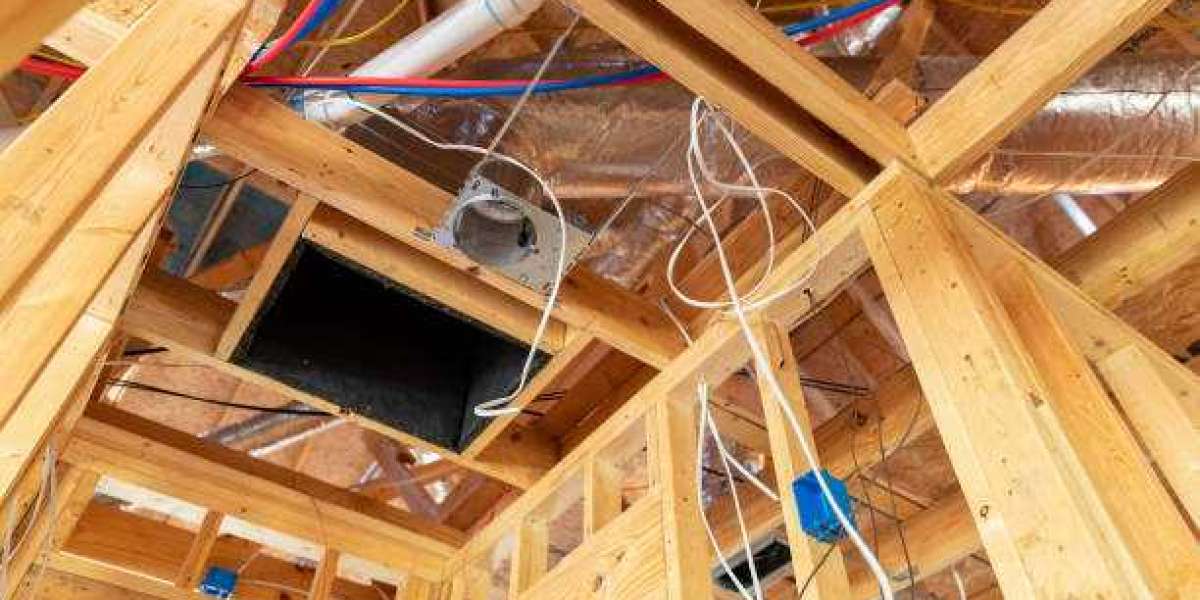
Prewiring allows a home to support strong internet, clean TV setups, hidden audio, and reliable security systems. Many common mistakes happen because planning starts too late or wiring is underestimated. Preparing for future devices, mapping out rooms, and using strong cable types help the home stay flexible for years. During construction, when wires stretch across open framing and decisions pile up quickly, guidance from Becker Media Design helps homeowners stay organized and confident. When the walls finally close and the wiring rests safely inside, the home is ready for technology that fits both today and tomorrow.