In industrial fluid handling systems, even small impurities can cause serious damage to machinery, pipelines, and flow control components. Solid particles, debris, and contaminants in process fluids often lead to blockages, pump failures, valve damage, pressure drops, and unexpected downtime. This is why industries rely on CPVC Y strainers, one of the simplest yet most effective filtration devices. When these strainers are manufactured using CPVC (Chlorinated Polyvinyl Chloride), their performance improves significantly for applications involving hot, corrosive, or high-pressure media.
Choosing the right CPVC Y strainer for your industrial processes ensures smooth operations, extended equipment life, reduced maintenance costs, and improved system reliability. This blog explores how CPVC Y strainers work, why CPVC is preferred, selection criteria, applications, and key benefits that industries should consider before making the right choice.
What Is a CPVC Y Strainer?
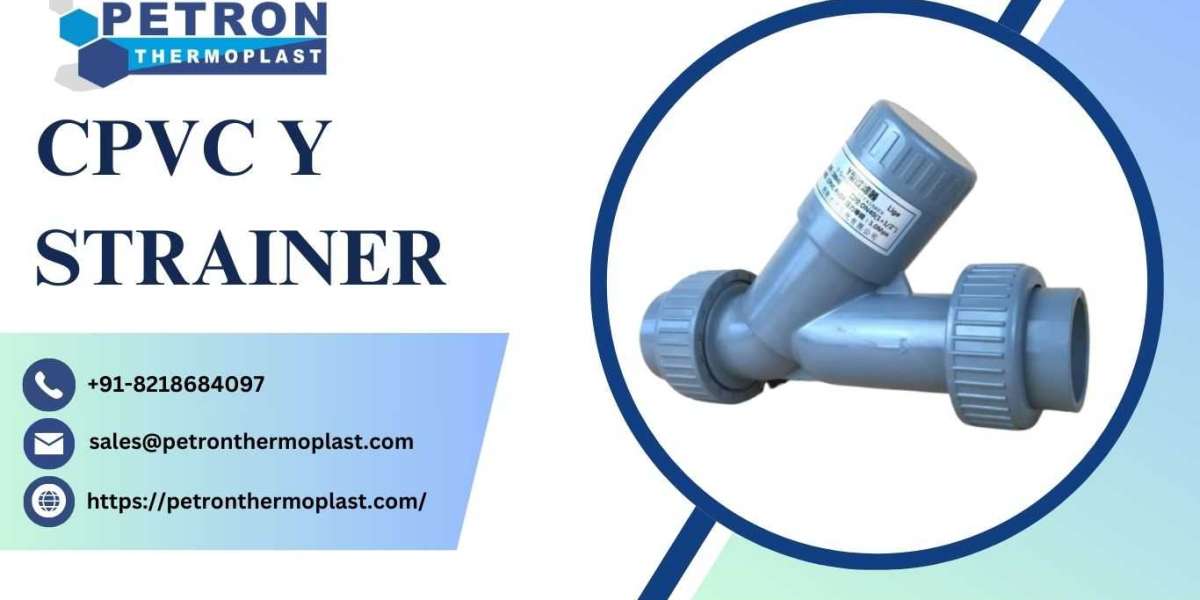
A CPVC Y strainer is a mechanical filtration device installed in a pipeline to remove unwanted particles from liquids. It gets its name from the distinctive Y-shaped design, where a mesh or perforated screen filters the fluid and traps solid contaminants.
How It Works
- As the fluid flows through the pipe, the Y strainer forces the liquid through the filter mesh.
- Solid particles get collected inside the strainer chamber.
- Clean fluid exits the outlet while impurities remain trapped.
- The strainer basket can be removed periodically for cleaning or replacement.
Why CPVC Is the Best Material for Y Strainers?
Y strainers are made using various materials like cast iron, stainless steel, brass, PP, and PVC. However, CPVC stands out for industrial use, especially when handling hot or corrosive fluids.
Key Benefits of CPVC Material
- Superior Chemical Resistance
CPVC offers exceptional resistance to acids, alkalis, and corrosive industrial fluids, making it ideal for chemical processing plants and water treatment systems.
- High Temperature Handling
CPVC can withstand temperatures up to 93°C, far higher than PVC. This allows it to be used in hot water, chemical dosing, and hot brine applications.
- Excellent Mechanical Strength
The material remains structurally stable under high pressure and fluctuating temperatures, providing a long service life.
- Lightweight Easy to Install
Compared to metal strainers, CPVC strainers are lighter, making installation and maintenance much easier.
- Long-Term Durability
CPVC resists UV exposure, corrosion, and scaling, ensuring trouble-free performance even in harsh industrial conditions.
Importance of Choosing the Right Y Strainer for Industrial Processes
Selecting the right Y strainer is crucial because the wrong type can:
- Restrict fluid flow
- Reduce filtration efficiency
- Cause pressure loss
- Increase energy consumption
- Lead to premature equipment failure
Factors to Consider When Choosing a CPVC Y Strainer
Here are the most important criteria industries must evaluate before selecting a CPVC Y strainer:
- Type of Fluid Being Handled
The chemical composition of the fluid plays a major role in strainer selection. CPVC is compatible with:
- Acids
- Alkaline solutions
- Organic solvents
- Hot and cold water
- Corrosive chemicals
- Chlorinated water
- Operating Pressure
Strainers are available in pressure ratings such as:
- PN10
- PN16
- Temperature Range
CPVC Y strainers perform excellently up to 93°C. Always confirm that your process temperature lies within the working range of the strainer to avoid material degradation.
- Mesh Size or Perforation Size
The filtration efficiency depends on the mesh size. Common options include:
- Coarse mesh (for large debris)
- Medium mesh (general-purpose filtration)
- Fine mesh (micron-level filtration)
- Connection Type
CPVC Y strainers come with various connection ends:
- Socket
- Threaded
- Flanged
- Strainer Orientation Installation Space
The Y design requires adequate installation space for proper operation and maintenance. Ensure your system layout supports the orientation needed for easy cleaning.
- Maintenance Requirements
A good CPVC Y strainer should support quick disassembly for:
- Flushing
- Cleaning
- Screen replacement
- Brand Reliability Material Quality
Industrial-grade CPVC Y strainers should be manufactured using virgin CPVC resin, not recycled materials. Trusted manufacturers ensure:
- Higher performance
- Better tolerance levels
- Compliance with global standards
Industrial Applications of CPVC Y Strainers
CPVC Y strainers are widely used across industries where fluid purity is critical.
- Chemical Processing Plants
To filter solid impurities from acids, alkalis, process chemicals, and solvents.
- Water Wastewater Treatment
Used in filtration lines, chlorine treatment systems, and reverse-osmosis plants.
- Food Beverage Manufacturing
Ensures contamination-free water supply during production and cleaning processes.
- Pharmaceutical Biotechnology
Maintains high purity for fluid handling in sensitive production environments.
- Pool Spa Water Systems
Protects pumps and pipes from debris by filtering circulating water.
- Petrochemical Refineries
Supports cooling and washing operations involving corrosive chemicals.
Benefits of Using CPVC Y Strainers in Industrial Processes
✔ Reliable Filtration Performance
CPVC Y strainers efficiently remove solids, preventing clogging and ensuring continuous flow.
✔ Enhanced Equipment Protection
Protects pumps, valves, and meters from damage caused by solid particles.
✔ Improved System Efficiency
Clean fluid flow reduces pressure drop and energy consumption.
✔ Reduced Maintenance Downtime
Easy-to-clean designs decrease the time and effort spent on maintenance.
✔ Cost-Effective Operation
Long-term durability minimizes replacement and repair expenses.
✔ Suitable for Harsh Chemical Environments
CPVC stands up to aggressive chemicals better than metals and standard plastics.
Comparison: CPVC Y Strainer vs. Other Materials
Material | Chemical Resistance | Temperature | Durability | Cost | Suitability |
Iron | Poor | Low | Low | Medium | Not suitable |
Stainless Steel | Moderate | High | High | High | Limited acid compatibility |
PVC | Good | Medium | Moderate | Low | Not for hot acids |
PP | Very Good | Medium | High | Medium | Good for mild acids |
CPVC | Excellent | High | Very High | Medium | Best for hot corrosive fluids |
Tips for Selecting the Best CPVC Y Strainer
- Know your fluid properties
- Select appropriate mesh size
- Confirm pressure and temperature ratings
- Choose a reliable manufacturer
- Ensure proper installation layout
- Opt for easy-maintenance designs
Conclusion
Choosing the right CPVC Y strainer is essential for maintaining fluid cleanliness, protecting equipment, and ensuring smooth industrial operations. Whether you are handling hot water, aggressive chemicals, or corrosive media, CPVC Y strainers by Petron Thermoplast offer exceptional chemical resistance, temperature tolerance, durability, and long-term reliability. By understanding your system’s requirements and selecting a high-quality CPVC Y strainer, you can significantly improve operational efficiency, reduce downtime, and extend the lifespan of your industrial equipment. If you need a technical sheet, product description, promotional content, or more titles, feel free to ask!