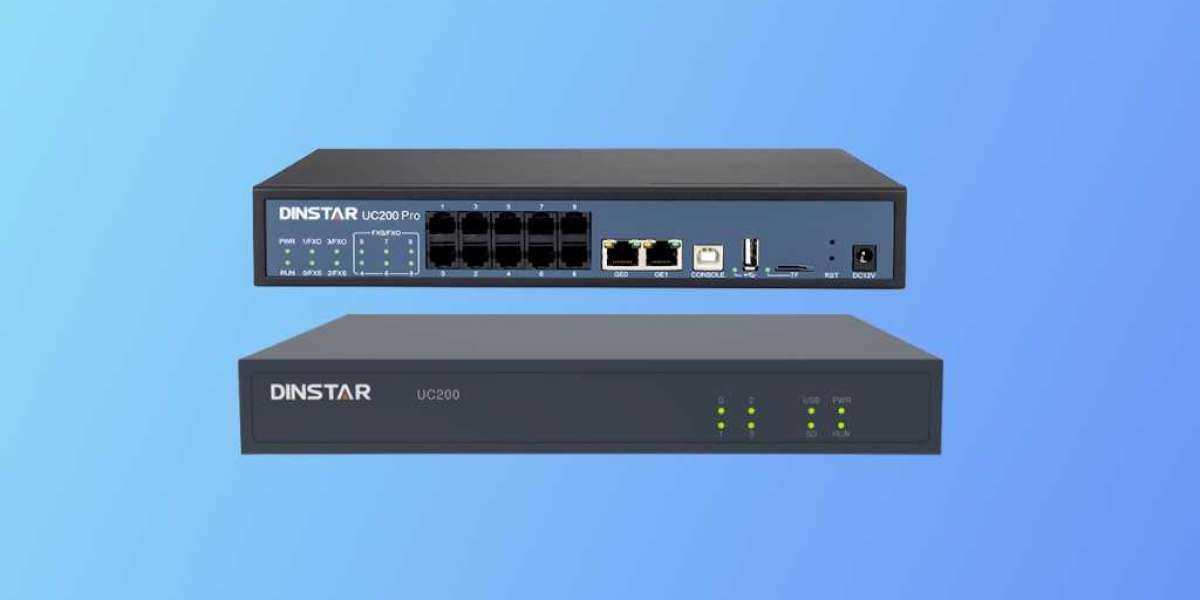

In today’s digital-first environment, businesses demand communication systems that are flexible, scalable, and cost-effective. This is where an IP PBX (Internet Protocol Private Branch Exchange) steps in as a powerful alternative to traditional phone systems. Instead of relying on analog lines, an IP PBX routes calls over the internet, allowing organizations to streamline internal and external communication through a unified platform.
How IP PBX Works
An IP PBX system connects IP phones, softphones, and SIP clients to manage call routing, switching, and signaling. Unlike legacy PBX, which depends on physical copper lines, IP PBX uses VoIP technology to transmit voice as data packets over the network. This makes communication faster, more efficient, and easier to scale as business needs grow.
The core components of an IP PBX setup include:
SIP phones or IP-based desk phones
VoIP gateway (optional for analog line integration)
PBX server (on-premises or cloud-hosted)
Internet/SIP trunk for external calling
By converting voice into digital signals, the system allows seamless call routing, voicemail, conferencing, and other features without the limitations of PSTN systems.
Key Features of IP PBX Systems
Modern IP PBX platforms offer advanced capabilities that enhance communication across departments:
1. Unified Communication
IP PBX supports voice, video, chat, and conferencing from a single interface, helping teams collaborate effortlessly from any location.
2. Improved Call Management
With features like auto-attendant, call queues, call forwarding, and call recording, users can manage higher call volumes with better control.
3. Mobility and Remote Access
Employees can connect via mobile apps or softphones, enabling remote working without missing business calls.
4. Scalability
Adding new users is simple. Instead of installing new phone lines, businesses just configure additional IP phones or user extensions.
5. Cost Savings
By routing calls over the internet, communication costs drop significantly—especially for long-distance and international calls.
On-Premises IP PBX vs. Cloud IP PBX
Businesses can choose between running IP PBX on their local servers or subscribing to a cloud-hosted solution.
Here’s how they differ:
On-Premises IP PBX
Full control over data and infrastructure
Requires in-house IT staff
Higher upfront investment
Suitable for enterprises with specific security or compliance needs
Cloud IP PBX
No physical installation
Automatic updates and maintenance
Easy to scale and manage remotely
Ideal for SMEs or distributed teams
Both options provide flexibility, but cloud systems are becoming more popular due to their simplicity and cost advantage.
Benefits of Switching to IP PBX
Switching from traditional PBX to IP-based communication offers several advantages:
Reduced infrastructure and maintenance costs
Better voice quality due to HD audio codecs
Support for multi-location business communication
Future-ready technology with VoIP and SIP capabilities
Integration with CRM, helpdesk, and other digital tools
These benefits make IP PBX a highly efficient communication backbone for modern organizations.
Is IP PBX Right for Your Business?
If your business needs reliable connectivity, remote working capability, and cost-efficient calling, IP PBX is a smart investment. It eliminates the limitations of outdated systems and prepares your communication network for future demands.