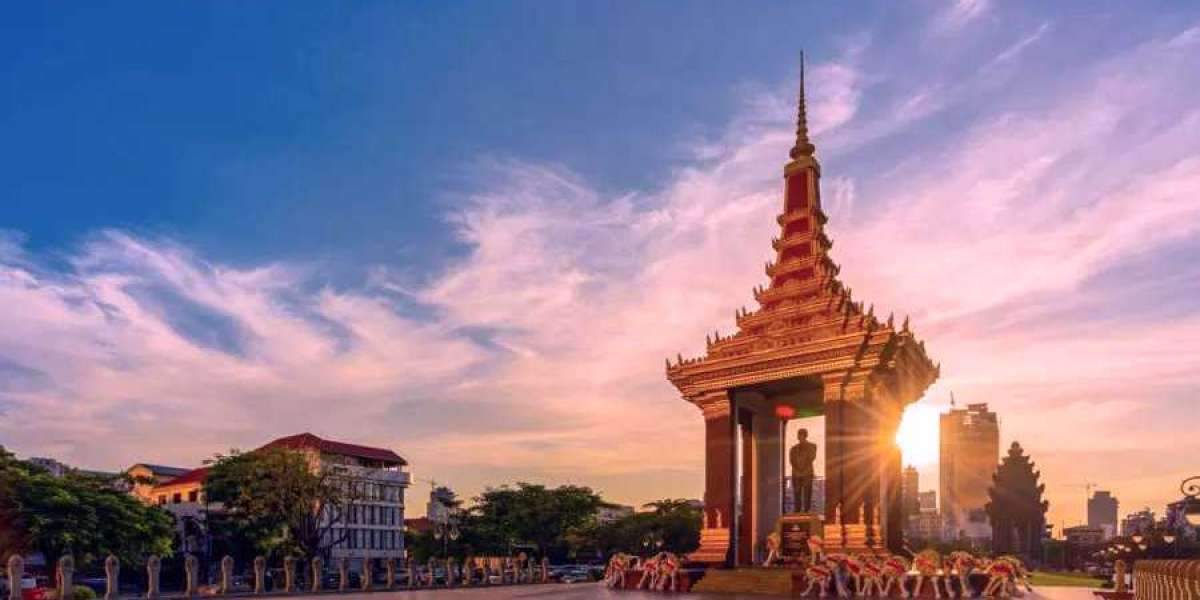

Cambodia travel offers you an unforgettable journey through one of Southeast Asia's most captivating destinations. This enchanting country beckons with its magnificent ancient temples rising from jungle canopies, vibrant markets bursting with local life, and a rich cultural heritage that spans millennia. When you Cambodia visit, you'll discover a land where spiritual monuments tell stories of powerful empires, where pristine beaches meet lush tropical landscapes, and where every meal becomes a celebration of complex flavors and traditions.
This guide unveils the layers of Cambodia Travel Unfolded: Hidden Wonders, Timeless Temples, and the Flavors of Tradition. You'll navigate the practical essentials for entering the country, explore both iconic landmarks and secret sanctuaries that few travelers encounter, and immerse yourself in coastal paradises that rival any tropical getaway. From the spiritual grandeur of Angkor Wat to the aromatic street food stalls of Phnom Penh, you'll gain insider knowledge to craft your own authentic Cambodian adventure.
Introduction
Cambodia is one of the most captivating destinations in Southeast Asia, where ancient spirituality meets vibrant modern life. This Southeast Asia travel destination draws you into a world where 12th-century temples rise above the jungle, where the smell of lemongrass and galangal fills the busy street markets, and where the Mekong River tells stories of past kingdoms.
Your visit to Cambodia promises experiences that go beyond typical tourist paths. You'll discover sacred monuments that have seen centuries of worship, hidden coastal spots with turquoise waters lapping against untouched beaches, and culinary traditions that perfectly balance salty, sweet, spicy, and sour flavors.
This guide uncovers the aspects of Cambodia travel that many visitors overlook—from the mysterious faces carved into Bayon Temple's towers to the pepper plantations of Kampot, from the tree-root-covered ruins of Ta Prohm to the fresh crab markets of Kep. You'll find out how to navigate entry requirements, when to visit for the best weather, and where to savor authentic dishes that define Cambodian cuisine.
Navigating Cambodia: Visa and Travel Essentials
Getting into Cambodia has never been easier with the Cambodia eVisa system. You can complete your Cambodia visa online application from anywhere, eliminating the need for embassy visits or lengthy paperwork. The Cambodia tourist visa application takes just minutes through the official eVisa portal.
Step-by-Step Application Process:
- Visit the official Cambodia eVisa website
- Fill out the online form with your passport details and travel dates
- Upload a recent passport photo and scanned passport copy
- Pay the processing fee using a credit or debit card
- Receive your approved Cambodia tourist visa via email within 3 business days
Your Cambodia visa grants entry through designated checkpoints including:
- Phnom Penh International Airport - the main gateway to the capital
- Siem Reap International Airport - direct access to Angkor temples
- Sihanoukville International Airport - perfect for beach-bound travelers
- Land borders at Poipet, Bavet, and Cham Yeam
Print two copies of your eVisa approval before departure. Immigration officers will stamp one copy and return it to you—keep this document throughout your stay as proof of legal entry.
Timeless Temples: Exploring Cambodia's Spiritual Heritage
Angkor Wat is the most important and impressive temple in Cambodia. Built in the 12th century, it covers an area of 162.6 hectares, making it the largest religious monument in the world. As you explore this magnificent site, you'll be captivated by the intricate Khmer carvings that adorn every surface—stories from Hindu epics, graceful dancers known as apsaras, and epic battles frozen in stone. The temple's five towers, shaped like lotus flowers, stand tall against the sky, while their reflection dances in the surrounding moat during sunrise. Walking through its corridors, you'll witness the pinnacle of Khmer architecture, where each stone was meticulously placed to create perfect proportions that have withstood the test of time.
Discovering Lesser-Known Gems
While Angkor's temples are famous worldwide, Cambodia has other hidden spiritual treasures waiting to be discovered.
Hanguvar Temple: A Serene Retreat
Tucked away in rural areas far from tourist crowds lies Hanguvar Temple. Here, you'll find a peaceful sanctuary where silence reigns supreme, broken only by the gentle rustle of leaves and distant bird calls. The weathered stones and moss-covered walls of this temple bear witness to centuries of devotion, inviting you to forge a deeper connection with Cambodia's spiritual heritage.
These ancient sites serve as reminders of our place in the grand scheme of things. Standing before structures crafted by human hands nearly a thousand years ago, we come face-to-face with our own mortality and insignificance compared to the enduring power of faith and creativity. Each temple unveils a chapter from Cambodia's rich history—an intricate tapestry woven together by Hindu and Buddhist beliefs that continue to shape this nation's identity.
Hidden Natural Wonders and Coastal Retreats
Cambodia's coastline reveals a different dimension of beauty that perfectly balances the country's ancient spiritual sites. Sihanoukville beaches offer you an escape into tropical paradise, where golden sands meet turquoise waters under swaying palm trees.
Discovering the Beaches of Sihanoukville
Otres Beach stands out as a tranquil haven away from crowds. You'll find bamboo beach bars serving fresh seafood while hammocks sway gently in the ocean breeze. The laid-back atmosphere here invites you to disconnect from daily routines and embrace slow travel. Serendipity Beach brings more energy to your coastal experience, with beachfront restaurants and water sports activities creating a vibrant social scene.
Exploring the Koh Rong Islands
The real treasures lie offshore. Koh Rong islands present you with some of Southeast Asia's most pristine coastal environments. Koh Rong itself features powdery white beaches and bioluminescent plankton that illuminate the water at night—a natural spectacle you won't forget. The smaller Koh Rong Samloem offers even more seclusion, where Saracen Bay's crystal-clear waters create perfect conditions for snorkeling among colorful coral reefs.
These hidden natural wonders in Cambodia Travel Unfolded: Hidden Wonders, Timeless Temples, and the Flavors of Tradition provide the coastal counterpoint to temple exploration. After days immersed in Khmer history, you can recharge on these beaches, where the rhythm of waves replaces the echo of ancient stones. The contrast enriches your journey, offering both cultural depth and natural serenity in one remarkable destination.
Cultural Gems Beyond the Temples: Kampot and Kep
Kampot's French architecture is a reminder of Cambodia's colonial history, with old but charming buildings lining the riverside town. As you stroll through the streets, it feels like time has stood still. You can admire the faded beauty of structures that tell stories from the early 1900s. The town's relaxed vibe encourages you to take your time and appreciate the intricate details of the architecture—decorative balconies, closed windows, and weathered exteriors that photographers dream of capturing.
Explore the World-renowned Pepper Plantations
The region's pepper plantations have gained worldwide fame for producing some of the finest peppercorns globally. You can visit these farms to see how they grow their crops, discovering how the volcanic soil and tropical climate contribute to the unique taste that chefs everywhere desire. Many plantations offer tastings where you'll try different types—red, black, white, and the highly sought-after green peppercorns that add a special kick to local dishes.
Relax on a Sunset Cruise along the Kampot River
As evening approaches, consider taking a sunset cruise along the Kampot River for a peaceful way to enjoy nature's beauty. You'll drift past mangrove forests and limestone cliffs while watching as vibrant oranges and pinks fill up the sky—a calm moment that beautifully contrasts with exploring temples.
Indulge in Fresh Seafood at Kep's Crab Market
Kep's renowned crab market offers an unforgettable seafood experience. Local sellers offer freshly caught blue crabs cooked with Kampot pepper sauce—allowing you to savor this region's signature flavors in their purest form! You'll find yourself sitting at shacks by waterfronts cracking open shells and relishing sweet crab meat while listening to waves gently crashing against shores. This beach town is not just famous for its crab market but also known for its colonial ruins, adding another layer of exploration to your visit.
Urban Pulse: Exploring the Vibrant Scene of Phnom Penh
Phnom Penh is a city full of life, representing Cambodia's journey from an ancient kingdom to a modern nation. It is situated at the meeting point of three rivers: Tonlé Sap, Mekong, and Bassac. Here, you'll find a mix of old and new architecture, with French colonial buildings standing next to sleek high-rises, creating a skyline that tells the story of different time periods.
Discovering the Cultural Delights
The cultural scene in Phnom Penh is flourishing, with various artistic expressions and traditional performances showcasing the rich Khmer heritage. Art enthusiasts can explore the city's numerous art galleries, while history buffs can immerse themselves in the captivating exhibits at the National Museum. The Royal Palace, with its magnificent spires, serves as a constant reminder of the country's royal legacy.
Indulging in Culinary Adventures
One cannot truly experience Phnom Penh without indulging in its mouthwatering street food. As night falls, vibrant food stalls line the busy streets, enticing passersby with their delectable offerings. The aroma of grilled meats and fragrant spices fills the air, inviting you to sample the local delicacies.
Start your day with Bai Sach Chrouk—succulent grilled pork marinated in coconut milk and garlic, served over fluffy broken rice accompanied by tangy pickled vegetables and a comforting bowl of chicken broth. For lunch, seek out Lap Khmer, a refreshing beef salad bursting with flavors from lime juice, fish sauce, and aromatic herbs that will invigorate your taste buds.
Embracing Riverside Serenity
The riverside promenade offers a serene escape amidst the bustling city. Here, you can witness locals practicing tai chi at dawn and families enjoying leisurely walks in the evening. Take a moment to observe fishing boats gliding through the muddy waters of the Mekong River while street performers showcase their talents near Sisowath Quay.
As you soak up the sights and sounds along the waterfront, find solace from the tropical heat in one of the many cafes or restaurants dotting the area. These cozy establishments provide an ideal vantage point to watch life unfold in Phnom Penh—an ever-changing tapestry woven together by its people and their stories.
The Flavors of Tradition: Cambodian Cuisine to Savor
Cambodian cuisine strikes a harmonious balance between salty, sweet, spicy, and sour notes, creating dishes that awaken your palate with fragrant herbs and aromatic spice pastes. You'll discover Nom Banh Chok, delicate fermented rice noodles swimming in lemongrass-based gravy crowned with fresh vegetables. Bai Sach Chrouk brings grilled pork marinated in coconut milk and garlic, typically served over jasmine rice for breakfast. Lap Khmer offers a zesty beef salad tossed with lime juice, fish sauce, and fresh herbs, while Kuy Teav warms you with its comforting rice noodle soup in rich bone broth.
The national treasure, Amok Trey fish curry, presents a mousse-like coconut curry steamed in banana leaves, infused with kroeung paste made from lemongrass, kaffir lime, and galangal. You'll find these authentic flavors at Central Market in Phnom Penh, where vendors prepare traditional dishes amid the bustling atmosphere. The night markets in Siem Reap transform into culinary theaters after sunset, offering you street-side cooking demonstrations and endless tasting opportunities.
Best Time to Visit Transportation Tips
Planning your Cambodia adventure requires understanding the country's tropical climate and navigating its diverse transportation landscape. The best time to visit Cambodia November-March aligns with the dry season, when temperatures hover comfortably between 25-30°C (77-86°F) and rainfall is minimal. You'll find this period ideal for temple exploration and coastal activities, as the humidity drops and skies remain clear for photography. April and May bring intense heat, while the monsoon season from June to October transforms the countryside into lush green landscapes, though heavy rains can disrupt travel plans.
Getting Around Cambodia: Transportation Options
Transportation Cambodia tuk-tuks serve as the quintessential way to experience local life. These three-wheeled vehicles offer an authentic, breezy ride through city streets and rural roads. You'll negotiate prices before departing—expect to pay $2-5 for short city trips and $15-25 for full-day temple tours in Siem Reap.
For longer journeys between Phnom Penh, Siem Reap, and Sihanoukville, you have several choices:
- Buses: Comfortable, air-conditioned coaches with companies like Giant Ibis and Mekong Express connect major cities for $10-15
- Private taxis: Flexible door-to-door service ranging from $50-80 between main destinations
- Domestic flights: Quick 45-minute hops between Phnom Penh and Siem Reap starting at $60
- Motorbike rentals: Available for adventurous travelers at $5-10 daily, though traffic can be chaotic
Adventurous Routes: Railway and Sea Travel
You can add an adventurous dimension to your Cambodia travel by exploring alternative transportation routes. The Phnom Penh-Sihanoukville railway offers a scenic journey through Cambodia's countryside, connecting the capital to the coastal hub in approximately seven hours. This rail experience provides authentic glimpses of rural life, rice paddies, and local villages along the way.
Sihanoukville Port serves as your gateway to maritime adventures, with ferry services departing to nearby islands like Koh Rong and Koh Rong Samloem. These sea routes transform your journey into part of the experience itself, with ocean breezes and coastal views enhancing your travel narrative. The best time to visit Cambodia November-March coincides with calmer seas and comfortable temperatures, making these adventurous routes particularly enjoyable during the cool, dry season when you'll encounter optimal conditions for both railway and sea travel.
Conclusion
Cambodia adventure unforgettable—these three words capture the essence of what awaits you in this Southeast Asian gem. Cambodia Travel Unfolded: Hidden Wonders, Timeless Temples, and the Flavors of Tradition reveals a country that welcomes curiosity with open arms and rewards every step of exploration with moments that stay with you long after you've returned home.
The temples stand as silent teachers, their ancient stones whispering lessons of humility and resilience. Each carved detail at Angkor Wat, every root-wrapped corridor at Ta Prohm, connects you to centuries of devotion and artistry. The food sparks pure joy—from the fragrant steam rising off a bowl of Nom Banh Chok to the satisfying crunch of Kampot Pepper Crab. The landscapes bring peace, whether you're watching sunset paint the Mekong River gold or feeling soft sand between your toes on Koh Rong Samloem.
Your journey through Cambodia becomes more than a trip. It transforms into a collection of sensory memories, cultural insights, and genuine human connections that define what travel should be.
FAQs (Frequently Asked Questions)
What makes Cambodia a unique travel destination in Southeast Asia?
Cambodia captivates travelers with its vibrant cultural heritage, ancient temples like Angkor Wat, bustling markets, and hidden natural wonders. This blend of timeless landmarks and traditional flavors offers a rich and immersive travel experience.
How can I apply for a Cambodia tourist visa conveniently?
Applying for a Cambodia tourist visa is streamlined through the Cambodia eVisa online system. The process is straightforward: fill out the application form online, pay the visa fee, and receive your eVisa electronically before arrival. Designated entry points include international airports in Phnom Penh, Siem Reap, Sihanoukville, and certain border checkpoints.
Which temples are must-visit sites to explore Cambodia’s spiritual heritage?
Angkor Wat stands as the largest 12th-century religious monument featuring intricate Khmer carvings. Additionally, lesser-known sites like Hanguvar Temple offer serene rural settings for cultural insight. Visiting these temples connects travelers to Cambodia’s profound history and teachings of humility.
Where can I find hidden natural wonders and coastal retreats in Cambodia?
Sihanoukville’s Otres and Serendipity Beaches showcase tropical charm with pristine sands. Island hopping adventures to Koh Rong and Koh Rong Samloem provide crystal-clear waters and tranquil escapes that beautifully complement Cambodia’s historical allure.
What cultural experiences await beyond the temples in Kampot and Kep?
Kampot offers colonial French architecture and famous pepper plantations alongside relaxing sunset river cruises. In Kep, visitors can enjoy the renowned crab market featuring fresh local seafood that highlights authentic Cambodian flavors.
When is the best time to visit Cambodia and what transportation options are available?
The optimal time to visit Cambodia is during the cool and dry season from November to March for comfortable weather. Getting around includes local tuk-tuks ideal for short trips within cities, road travel between key destinations, adventurous routes via Phnom Penh-Sihanoukville railway, and sea travel through Sihanoukville Port.