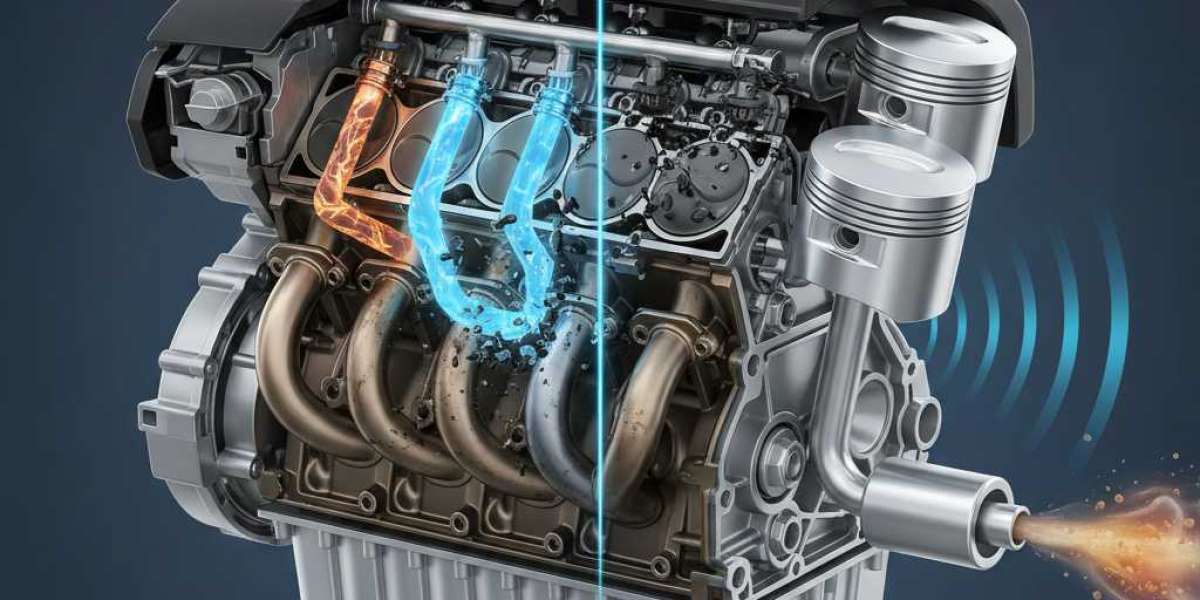

Maintaining a vehicle goes beyond changing oil or tires — often, the unseen components like injectors, fuel lines, and valves need attention too. Over time, carbon build-up, varnish, and residue from low-quality fuel can build up inside the system, degrading performance and efficiency. That’s where Fuel System Cleaners come in: they help remove harmful deposits and restore proper fuel flow, combustion, and engine health.
If you want your engine to deliver smooth starts, better mileage, and consistent power, then using a trusted fuel additive occasionally is a smart move. Whether you drive daily in urban traffic or long distances on highways, a clean fuel system can make a noticeable difference in how the car runs.
Why Fuel Systems Accumulate Deposits
Internal combustion engines rely heavily on clean fuel delivery. Every time fuel travels through injectors, valves, and combustion chambers, microscopic impurities — traces of water, dust, sulfur compounds, or degraded hydrocarbons — can linger behind. With regular fuel use, these contaminants accumulate as carbon deposits, varnish, or gum-like layers.
High temperatures and repeated heating/cooling cycles in the combustion chamber make these deposits sticky and harder to remove over time. The end result: injectors lose spray efficiency, valves don’t seal properly, intake ports get restricted — which leads to rough idling, lower fuel efficiency, increased emissions, or even difficulty starting the engine on cold mornings.
Fuel with ethanol additives or lower-quality blends often exacerbates the problem, accelerating deposit formation. Add to that city driving, frequent short trips, and stop-go traffic — and the need for maintenance becomes more urgent. Without regular cleaning, even new engines can suffer early performance decline.
What Are Fuel System Cleaners and How They Work
At their core, Fuel System Cleaners are specialized chemical additives formulated to dissolve and dislodge carbon deposits, varnish, and residue from fuel injectors, intake valves, and combustion chambers. These cleaners contain detergents, solvents, and fuel-compatible cleaning agents that mix with gasoline or diesel, circulate through the system, and gradually break down build-up during engine operation.
As the engine runs, the cleaner-infused fuel cleans passageways, flushes out accumulated deposits, and ensures smoother flow. Once cleaned, injectors spray finer mist, intake valves seal properly, and fuel combusts more completely. The benefits of a cleaner system often become apparent as improved throttle response, quieter engine operation, smoother idling, and better fuel economy.
Using a recognized supplier ensures you get a product that matches your fuel type and engine requirements without compromising seals or engine internals. Many experienced mechanics recommend incorporating a fuel system cleaner every few thousand kilometres, especially for older vehicles, high-mileage engines, or those frequently driven in demanding conditions.
When to Use Fuel System Cleaners — Signs Your Engine Needs It
You might consider using a fuel system cleaner if you experience:
Hesitation or stumbling during acceleration
Rough or inconsistent idle
Reduced fuel efficiency compared to normal
Hard starts, especially in cold weather
Uneven engine performance or occasional misfires
Even if none of these symptoms appear, using a well-formulated cleaner as part of periodic maintenance (for instance every 5,000–10,000 km) can help keep the system in optimal condition and prevent long-term degradation.
Regular maintenance with fuel additives helps postpone expensive mechanical cleaning or injector replacement, and supports better fuel combustion — which in turn reduces carbon emissions and soot deposits inside the exhaust.
How to Choose the Right Fuel System Cleaner
With so many options on the market, selecting a good cleaner requires attention to a few key factors:
First, ensure compatibility with your engine type — gasoline or diesel. Cleaners designed for the wrong fuel type can damage seals or fail to address deposit chemistry properly. Next, check the concentration: a stronger cleaner may remove deep-set deposits but could be harsh for older rubber components; a milder cleaner is safer but might need repeated applications.
Quality additives will specify that they’re safe for catalytic converters and oxygen sensors — important for emission-controlled vehicles. Avoid low-cost, ambiguous products that make exaggerated claims with no technical data. Instead, go for reputable formulations sold by known suppliers; one such trusted source is Global HD Supply for a wide range of fuel system maintenance products.
Finally, pick a cleaner that provides clear instructions on dosage and usage intervals. Overusing fuel additives can cause residue concentrations that overwhelm the system, while underusing may result in minimal effect.
Proper Usage — How to Apply a Fuel System Cleaner Correctly
To maximize the benefit without risk:
Use the cleaner when the fuel tank is partially full (around one-quarter) so the additive mixes well and doesn’t remain too concentrated in a small volume.
Pour the recommended quantity, then fill the tank — this ensures proper dilution.
Drive the vehicle under varied conditions (city + highway) after application to circulate the cleaner thoroughly through injectors, valves, and combustion chambers.
Avoid multiple additives at once — do not combine fuel system cleaner with other fuel or oil additives unless approved by the manufacturer.
Adhere to recommended intervals — typically every 5,000–10,000 km depending on driving habits and fuel quality.
Used correctly, fuel system cleaners act as preventive maintenance, reducing long-term risk of deposits without causing harm to engine parts.
Common Mistakes and Misconceptions Around Fuel System Cleaners
Some drivers assume that topping fuel with a cleaner monthly makes the engine “invincible,” but that’s a mistake. Too frequent usage can over time wash away protective coatings on injectors or affect rubber seals. Overconcentration — such as pouring additive into a near-empty tank — can burden the system with harsh solvents and cause damage.
Others rely on cleaners alone while neglecting regular engine oil changes, air-filter replacements, or using low-grade fuel — factors that also contribute to deposit build-up. Even the best cleaner can’t undo the damage caused by very poor fuel quality or long-term neglect.
Finally, ignoring manufacturer recommendations — for example, using gasoline-system cleaners in diesel engines — can lead to serious performance issues. Always match cleaner type to fuel type carefully.
Long-Term Benefits of Regular Fuel System Maintenance
When used properly and occasionally, Fuel System Cleaners provide noticeable long-term benefits:
Engines run more smoothly, with better throttle response and less hesitation.
Fuel economy improves as combustion becomes more efficient.
Exhaust emissions decrease thanks to cleaner burning — a plus for the environment and emission compliance.
Maintenance costs go down by preventing injector clogging, valve sticking, or carbon buildup on chamber walls.
Overall engine longevity improves, especially in older or high-mileage vehicles.
In many cases, spending a small amount on a quality cleaner can save hundreds — or even thousands — on future repair bills. It’s a simple investment with tangible returns for vehicle owners who care about performance and reliability.
Conclusion: Fuel System Cleaners Are Essential for Engine Health and Longevity
Over time, engines naturally accumulate harmful deposits from fuel impurities and combustion by-products. Left unchecked, this buildup can degrade performance, reduce fuel efficiency, and lead to costly repairs or component replacements. Fuel System Cleaners, when selected and used correctly, offer an efficient, affordable way to flush out these deposits, restore engine efficiency, reduce emissions, and extend the life of your vehicle.
Used on a regular maintenance schedule and combined with routine engine care, these additives help maintain smooth starts, stable idling, and consistent power delivery. Whether you’re driving a daily commuter or a high-performance vehicle, occasional fuel system cleaning is a smart preventive step — and often a better investment than waiting for problems to arise.