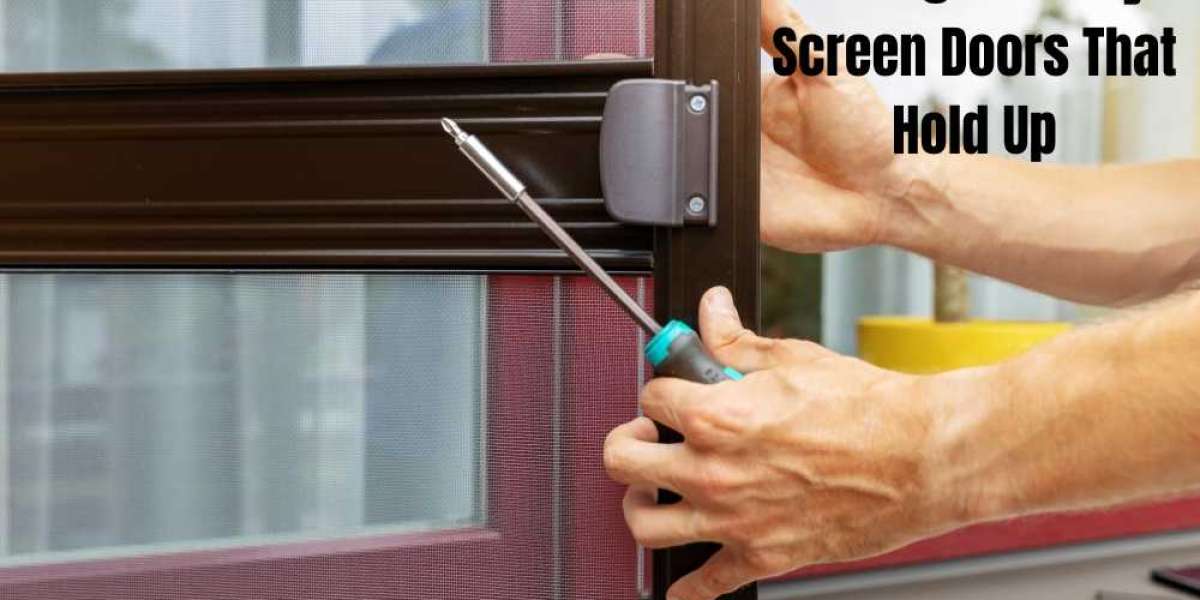

A sliding security screen door has to breathe and block at once. Sounds simple; it isn’t. Heat, leverage, salt air, and gritty tracks expose weak builds fast, while everyday knocks from kids and pets add up. We put more trust in measurable performance than flashy claims because real stress shows in impact, jemmy, and ember conditions. If your brief includes reinforced security doors tested for fire safety, you’re already narrowing the field to designs that respect risk. From there, it’s the frame grade, mesh type, track depth, and lock geometry that decide whether your door glides on a hot day or twists under a pry bar.
What proves a sliding screen is truly secure?
Independent tests and disciplined installation prove strength. We look for documented impact, jemmy, pull, and bushfire exposure results, then match them with corrosion resistance suited to local conditions.
A strong screen shows its intent in the details: rigid corner joints, deep tracks with anti-lift features, and hardware fastened into the structure rather than soft trim. Mesh matters just as much — high-tensile stainless or fire-rated alloy resists deformation when temperatures spike and won’t relax into a baggy panel after a summer of sun. Tolerances signal quality; smooth, positive latch engagement usually means frames are square, and clearances are true.
- Stainless mesh with published tensile ratings
- Triple locks anchored to reinforced strike plates
- Deep tracks that deny leverage and lift
Avoid galvanic mishaps by isolating stainless fasteners from bare aluminium, especially near the coast. Small mistakes there become tea-staining, then weakness. For a plain-English primer on priorities, save reliable sliding screen basics for the short list you hand to your installer.
Which materials and hardware matter most?
Materials and hardware determine both longevity and liveability. The best doors balance stiff frames, heat-tolerant mesh, and low-friction rollers so you don’t trade airflow for security.
Frames should be tempered aluminium with solid corner keys that resist torsion. Mesh needs the tensile backbone to absorb knocks without kinking, while still letting a decent breeze through. Tracks deserve more attention than they get: debris channels, drainage, and anti-lift geometry stop prying tools and keep the glide consistent. Hardware should feel decisive — a clean, confident throw on the lock, not crunchy or vague. Tamper-resistant fixings and anti-lift pins aren’t “extras”; they’re the price of entry for a door that won’t blink under pressure.
- Low-friction, height-adjustable roller assemblies
- Corrosion-smart fasteners with proper isolation
- Strike plates seated into a solid structure
Finish choices matter too. Powder coats with marine-grade pretreatment shrug off salt. In ember zones, fire-tested meshes limit deformation and reduce the chance of a slack panel after a heat event. Small touches like privacy weaves for street-facing rooms make security feel lived-in rather than clinical.
How does installation affect daily use?
Fit is performance. Even a premium door underperforms if it’s crooked, loosely anchored, or packed out with soft shims. A square frame and true reveals keep compression seals working and latches aligning, day after day.
We specify installers who treat millimetres like they matter. A shallow track gives intruders leverage; a misaligned lock wears out fast; rollers set too high will bind once grit gathers. The goal is effortless movement you can trust with one hand while you carry groceries with the other. That ease is not fluff — a door that drags gets propped open, which quietly defeats the point. Proper clearances also account for thermal expansion on scorching afternoons, so the slide still feels smooth when materials grow and shift.
Think about the opening itself. Fasten into a solid structure, not just cladding. Keep drainage paths clear to stop sand from turning the track into a brake. If you’re upgrading an older frame, ask for reinforcement plates where locks engage. That way, force is transferred into something that can take it, rather than chewing out soft timber over time.
conclusion
A trustworthy sliding security screen door earns its keep when design, materials, and installation align. Choose frames that won’t twist, mesh that holds shape under heat, and hardware that refuses leverage. Mid-range options with real test data often beat heavy-duty marketing at half the fuss. For a grounded take on cost versus toughness, budget-savvy sliding screen advice sits right in the middle of the decision. Nail the fit, keep tracks clean, and you’ll get airflow without vulnerability — a quiet, daily safeguard that simply does its job.