
The dairy industry is a cornerstone of India's economy and nutrition, but like all large-scale agricultural sectors, it faces significant environmental questions. From water usage and greenhouse gas emissions to waste management, the path to producing milk, cheese, and yogurt has a considerable ecological footprint. Recognizing their responsibility, the top 10 dairy compnies in india are spearheading a green revolution within the industry, proving that large-scale production can coexist with environmental stewardship.
These industry leaders are moving beyond mere compliance and are actively integrating sustainability into their core business strategies. They understand that long-term profitability is intrinsically linked to the health of the planet and the prosperity of their farming communities. This article explores the innovative and impactful ways the top 10 dairy compnies in india are going green, transforming their operations from the farm to the factory.
Redefining Water Management
Water is the lifeblood of the dairy industry, essential for everything from hydrating cattle and growing fodder to cleaning equipment in processing plants. Consequently, responsible water management is a top priority for sustainable dairy operations.
From Consumption to Conservation
India's leading dairy companies are implementing comprehensive water conservation programs. At the farm level, they promote water-efficient irrigation techniques for fodder crops, such as drip irrigation and sprinklers, and support rainwater harvesting initiatives. This helps reduce the strain on local groundwater resources, which is critical in many parts of the country.
Inside their processing plants, the change is even more dramatic. The top 10 dairy compnies in india are investing heavily in state-of-the-art Effluent Treatment Plants (ETPs). These facilities treat wastewater to a high standard, allowing it to be reused for non-critical applications like cleaning floors, irrigating green belts around the factory, or even being recycled back into the processing line after further purification. Companies like Amul and Hatsun Agro have reported recycling millions of liters of water daily, turning their plants into models of circular water economy.
Turning Waste into a Valuable Resource
A dairy farm and processing plant generate substantial organic waste, primarily in the form of cattle manure and factory sludge. Traditionally seen as a disposal problem, this waste is now being viewed as a valuable resource.
Powering Operations with Biogas
The most significant innovation in waste management has been the widespread adoption of biogas plants. The top 10 dairy compnies in india are installing large-scale anaerobic digesters that convert cattle manure and organic factory effluent into biogas (mostly methane). This renewable gas is then used to power boilers, replacing costlier and more polluting fossil fuels like furnace oil or coal.
This strategy offers a threefold benefit: it solves a waste management problem, reduces greenhouse gas emissions, and lowers energy costs. It’s a perfect example of a circular economy in action. Many companies also help farmers set up smaller, individual biogas units, providing clean cooking fuel for their homes and reducing their reliance on firewood or LPG.
Embracing Renewable Energy
Beyond biogas, leading dairy companies are diversifying their energy portfolios to include other renewable sources, further reducing their carbon footprint.
Harnessing the Power of the Sun and Wind
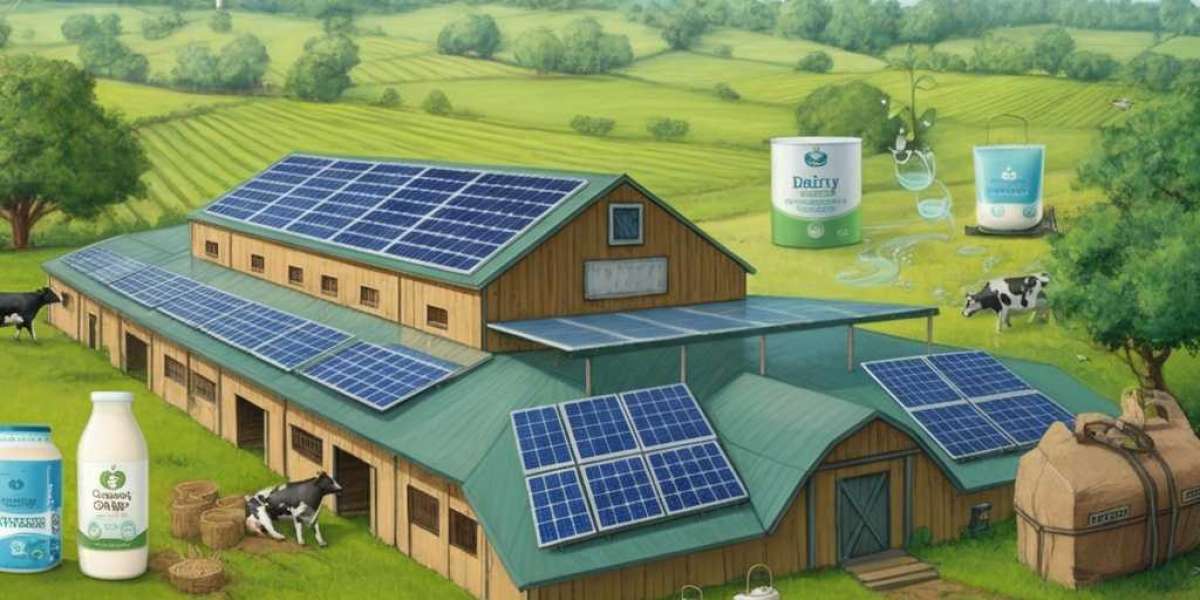
Given India's abundant sunshine, solar power has become a key focus. The top 10 dairy compnies in india are installing solar panels on the rooftops of their processing plants, chilling centers, and warehouses. This clean electricity powers a significant portion of their daily operations, from running machinery to lighting.
Some companies are going even further by investing in wind energy. Hatsun Agro, for example, has invested in its own wind farms to generate clean power for its facilities. These initiatives not only contribute to a healthier environment but also provide a hedge against volatile energy prices, making sound business sense.
Sustainable Packaging and a Lighter Footprint
The final product's packaging is a critical, and often criticized, aspect of sustainability. India's dairy giants are actively working to make their packaging more eco-friendly.
Reducing, Reusing, and Recycling
The mantra of "reduce, reuse, recycle" is being taken to heart. Companies are exploring ways to reduce the amount of plastic in their packaging without compromising food safety. This includes lightweighting bottles and pouches and transitioning to materials that are more easily recyclable.
Many of the top dairy companies are also key participants in Extended Producer Responsibility (EPR) programs. They work with waste management agencies to fund and facilitate the collection and recycling of post-consumer plastic waste, taking ownership of their packaging's entire lifecycle. For instance, Mother Dairy has been a vocal advocate for and participant in plastic waste collection and recycling initiatives in the regions it serves.
A Greener Future for Indian Dairy
The journey towards complete sustainability is long and complex, but the commitment shown by the top 10 dairy compnies in india is undeniable. By investing in water conservation, waste-to-energy systems, renewable power, and responsible packaging, they are setting new benchmarks for the entire industry.
These green initiatives are not just about corporate social responsibility; they are smart business. They lead to greater operational efficiency, stronger brand reputation, and a more resilient supply chain. The efforts of these leading companies demonstrate that nourishing a nation and protecting the planet can, and must, go hand in hand. Their continued innovation ensures that the future of India's dairy sector will be both prosperous and sustainable.