
When you're setting up a network, choosing the right networking cables can make a huge difference in performance. Two popular options are STP and UTP cables. But what makes STP cables special? Let's break it down in simple terms.
Understanding the Basics of Networking Cables
Before we dive into the major benefit, let's understand what these cables are. Both STP and UTP are types of twisted pair cables used in computer networks. They look similar on the outside, but they have important differences inside.
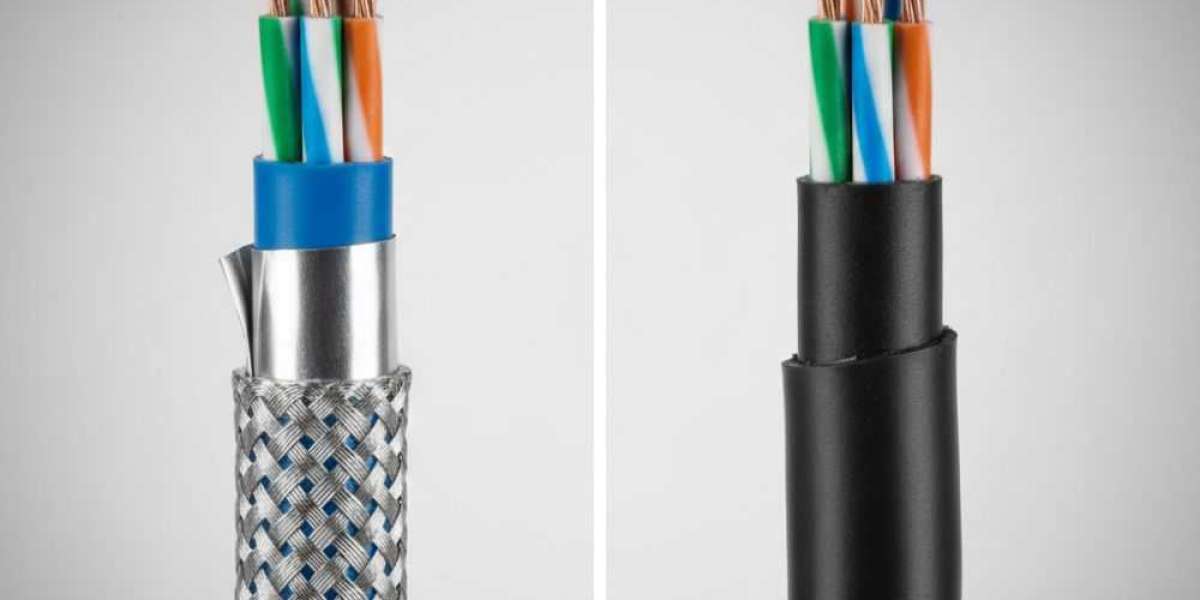
UTP stands for Unshielded Twisted Pair. These networking cables have pairs of copper wires twisted together inside a plastic jacket. That's it. No extra protection.
STP stands for Shielded Twisted Pair. These cables have the same twisted pairs of wires, but with an added layer of protection. This shielding is the game-changer.
The Major Benefit: Superior Protection Against Interference
Here's the big advantage: STP cables provide electromagnetic interference (EMI) protection that UTP cables simply don't have.
This shielding acts like a protective barrier around your data signals. It blocks outside electrical noise from disrupting your network communication. Think of it like wearing noise-canceling headphones in a loud room. The headphones block out the unwanted sound so you can hear your music clearly.
UTP cables don't have this protection. They're more vulnerable to interference from other electrical devices, motors, fluorescent lights, and even other networking cables running nearby.
Why Does This Matter?
You might wonder if this protection really matters. The answer depends on your environment.
In a home or small office with few electrical devices, UTP networking cables work perfectly fine. The interference levels are usually low enough that you won't notice any problems.
But in certain environments, interference becomes a serious issue:
Industrial Settings: Factories and warehouses have heavy machinery, motors, and electrical equipment everywhere. These create strong electromagnetic fields that can mess with unshielded cables. STP cables keep your network running smoothly despite all this electrical noise.
Server Rooms: Data centers pack hundreds of networking cables close together. All these cables can interfere with each other, creating what we call crosstalk. The shielding in STP cables reduces this problem significantly.
Medical Facilities: Hospitals use sensitive equipment that can't afford network disruptions. They also have lots of electrical devices that create interference. STP cables provide the reliability these environments need.
Areas with Radio Frequency: If you're near radio towers, cell phone towers, or use lots of wireless equipment, STP cables help maintain clean data transmission.
How the Shielding Works
The shield in STP networking cables is usually made of aluminum foil or a braided copper mesh. Some high-end cables have both.
This metallic shield wraps around the twisted pairs of wires. When electromagnetic waves hit the cable, the shield absorbs them or reflects them away. This keeps the interference from reaching the data-carrying wires inside.
The shield connects to the ground through special connectors. This sends any interference safely to the ground instead of letting it affect your data.
Performance Advantages
The interference protection translates into real performance benefits:
Faster Speeds: When interference disrupts signals, your network has to resend data. This slows everything down. STP cables maintain cleaner signals, so data moves faster.
Fewer Errors: Interference causes data corruption. Your network detects these errors and requests retransmission. With STP networking cables, you get fewer errors and better reliability.
Longer Cable Runs: In high-interference environments, signals degrade faster with UTP cables. STP cables maintain signal quality over longer distances because the shielding protects the signal from external noise.
Better Bandwidth: Clean signals mean you can push more data through the cable without problems. This becomes important for high-bandwidth applications like video streaming or large file transfers.
The Trade-offs
While STP cables offer superior protection, they come with some considerations:
Cost: STP networking cables cost more than UTP cables. The extra shielding materials and manufacturing complexity increase the price.
Installation: These cables are thicker and less flexible than UTP cables. This makes them harder to work with, especially in tight spaces. You also need special grounded connectors and proper grounding at both ends.
Maintenance: The grounding system requires correct installation. If the shield isn't properly grounded, it might not work effectively or could even make interference worse.
When to Choose STP Over UTP
You should consider STP networking cables when:
- You're working in an industrial environment with heavy machinery
- You're running cables near fluorescent lights or electrical equipment
- You need maximum reliability for critical applications
- You're setting up a network in a hospital or medical facility
- You're installing cables in areas with high radio frequency interference
- You want to future-proof your network infrastructure
For most home networks and standard office environments, UTP cables work great and save you money.
Making the Right Choice
Choosing between networking cables comes down to your specific needs. Ask yourself these questions:
What's my environment like? If you have lots of electrical equipment nearby, lean toward STP.
What's my budget? If cost is a major concern and you don't have high interference, UTP might be enough.
How critical is reliability? For mission-critical applications, the extra protection of STP cables is worth the investment.
Do I have proper grounding? STP cables need correct grounding to work effectively. Make sure your installation can support this.
The Bottom Line
The major benefit STP cables provide over UTP cables is clear: superior protection against electromagnetic interference. This shielding makes STP networking cables the better choice for environments where electrical noise could disrupt your network.
While UTP cables work fine for many situations, STP cables deliver better performance and reliability when you need it most. They cost more and require careful installation, but in the right environment, they're worth every penny.
Understanding the difference between these networking cables helps you build a network that performs well and meets your specific needs. Whether you choose STP or UTP, make sure it's the right fit for your environment and requirements.
Remember, the best cable is the one that matches your situation. Don't overspend on features you don't need, but don't skimp on protection when your network demands it.
Sources: https://www.webprecious.com/shielded-and-unshielded-ethernet-cables-key-differences/
https://logcla.com/blogs/1039326/What-Happens-If-You-Don-t-Ground-a-Shielded-Ethernet