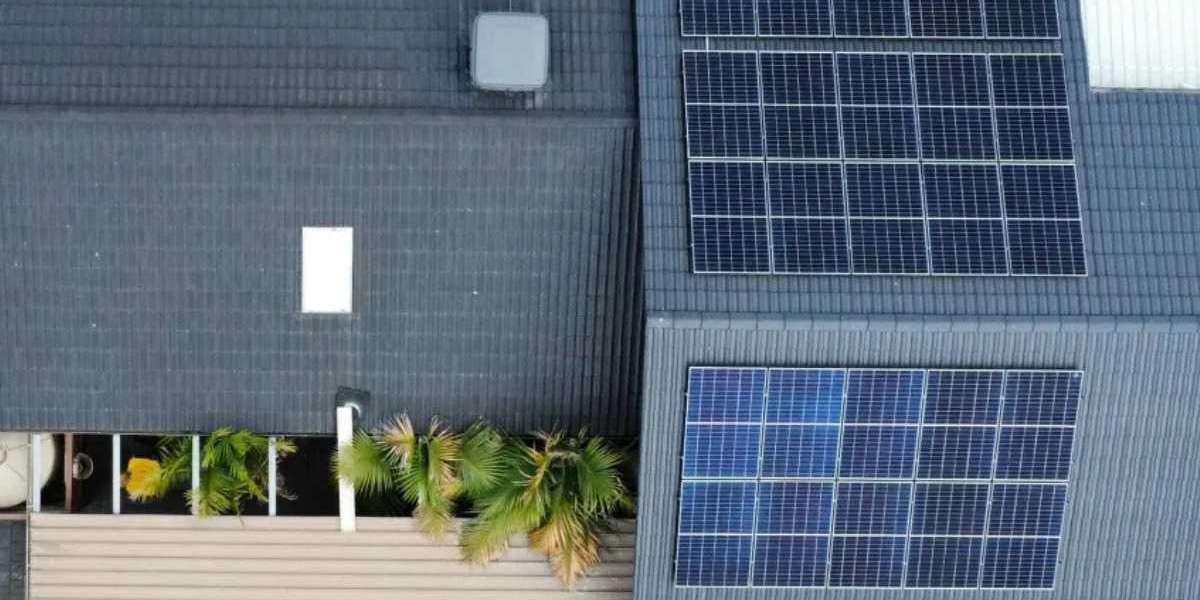

The Nightmare Scenario No One Talks About
You've made the leap into renewable energy. Your solar panels are humming along beautifully on your roof, generating clean power and slashing your electricity bills. Then one day, you notice an issue with your system's performance. You reach out to your installer for the warranty service they promised—only to discover their business has closed its doors permanently.
This isn't just a hypothetical scenario. In the rapidly evolving solar industry, installer bankruptcies happen more often than homeowners realize. A 2024 industry report revealed that nearly 15% of solar installation companies fail within their first five years. If your installer goes under, your 25-year investment could be at serious risk.
Understanding What's Actually at Stake
When a solar installer goes out of business, you don't just lose a service provider—you potentially lose access to crucial protections:
Your Workmanship Warranty typically covers installation errors for 10-25 years, but it's only valid if the company exists to honor it. Equipment Warranties from manufacturers like solar panels and inverters remain active, but without an installer to facilitate claims, you're navigating complex processes alone. System Monitoring services often cease immediately, leaving you blind to performance issues that could cost thousands in lost production.
The financial implications are staggering. One California homeowner discovered roof damage from improper installation three years after their installer folded. Without warranty coverage, the repair cost exceeded $18,000—nearly half the original system price.
How to Safeguard Your Solar Investment Today
The good news? You can protect yourself with strategic action, whether your installer is thriving or already gone.
Before Installation - Due Diligence Checklist:
Choose installers with strong financial backing and at least 5-10 years in business. Check their Better Business Bureau rating and recent customer reviews. Verify they carry comprehensive general liability and workers' compensation insurance—request certificates directly from their insurer.
Most importantly, ask about third-party warranty backing. Companies like GreenSky and Solar Insure offer warranty protection programs that remain valid even if your installer disappears. This coverage typically costs 2-5% of installation price but provides invaluable peace of mind.
After Installation - Document Everything:
Create a comprehensive file containing your contract, warranty documents, system specifications, engineering drawings, and permit approvals. Photograph your installation from multiple angles. Save all maintenance records and correspondence. This documentation becomes your lifeline if you need to work with a new contractor.
Register your equipment warranties directly with manufacturers—don't rely solely on your installer to do this. Most panel and inverter companies offer online registration that takes minutes but secures your 25-year equipment protection.
If Your Installer Has Already Closed:
First, contact equipment manufacturers immediately with your serial numbers and proof of purchase. They'll guide you through direct warranty claims. Second, find a certified replacement installer through the North American Board of Certified Energy Practitioners (NABCEP) directory. Explain your situation upfront—many experienced contractors specialize in "orphaned" solar systems.
Third, check if third-party warranty protection applies. Some installers purchase backup warranty coverage without explicitly advertising it. Review your contract carefully or consult a solar attorney.
Take Control of Your Solar Future Now
Don't wait for disaster to strike. If your installer is still operational, call them this week to verify your warranty registration and request copies of all documentation. If they've already closed, contact your equipment manufacturers today—delays can complicate warranty claims.
Consider joining online communities like Solar Reviews or Reddit's r/solar where thousands of homeowners share installer experiences and troubleshooting advice. Knowledge is your best defense.
Your solar investment represents decades of energy savings and environmental impact. With proper preparation and documentation, you can protect that investment regardless of your installer's fate. Take action now, and you'll have the security that comes with true energy independence—not just from utility companies, but from installer uncertainty too.
Ready to verify your solar system protection? Download our free Solar Investment Protection Checklist at https://winkienergy.com.au/ today.