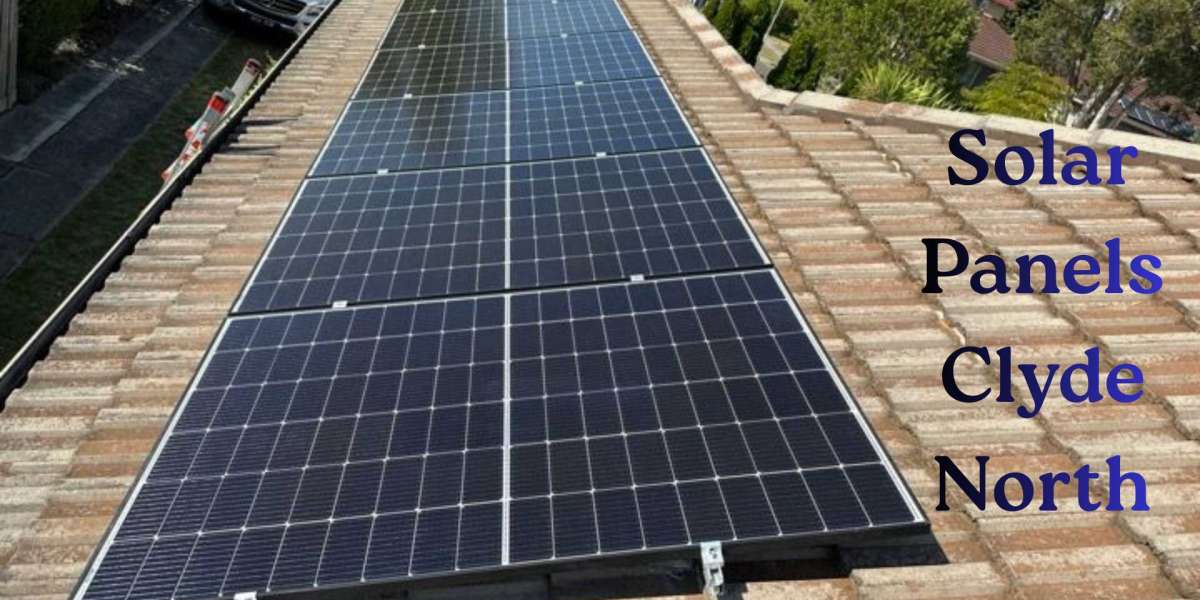

Electricity bills aren't getting any cheaper, and homeowners across Clyde North have had enough. Rooftop solar is becoming the neighbourhood norm. Installing solar panels Clyde North delivers far more than monthly savings—it puts you in control of your household energy while contributing to a cleaner environment.
Why Now Is the Right Moment
Victoria has set an ambitious target: 95% renewable electricity by 2035. This isn't just talk—the state government offers genuine financial incentives to help homeowners transition to solar.
Geography favours Clyde North residents. Our suburb enjoys roughly 1,650 hours of sunshine annually—ideal conditions for solar power generation. Factor in falling equipment prices and available government rebates, and the timing couldn't be better.
Your Actual Savings Breakdown
Victorian households currently pay 25 to 35 cents per kilowatt-hour for electricity. When your rooftop generates that power, those daytime charges disappear.
Local families who've installed solar panels in Clyde North report electricity bill reductions between 50% and 75%. How much you save depends on your system's capacity and your family's energy consumption habits.
The federal STC program provides an immediate discount ranging from $2,500 to $4,500 on your installation costs. Solar Victoria administers additional schemes offering extra financial support for qualifying homeowners.
When your system generates more electricity than you're consuming, that surplus flows to the grid and you receive payment. Victorian feed-in tariffs range from 3 to 10 cents per kilowatt-hour. Though lower than retail electricity prices, these credits still help offset your bills.
The Core Components Explained
Every solar installation consists of three essential parts: panels that capture sunlight, an inverter that transforms it into household electricity, and mounting hardware that fixes everything securely to your roof.
The Panels: Premium monocrystalline panels deliver 19-22% efficiency ratings. They generate more power in cloudy weather and require less roof space than previous-generation technologies.
The Inverter: Simple roof configurations without shade work perfectly with standard string inverters, which cost less. Dealing with trees casting shadows or an unusual roof shape? Microinverters or power optimizers handle these situations effectively. Hybrid inverters provide flexibility to incorporate battery storage down the track without overhauling your system.
The Mounting: Every installation must meet Australian Standard AS/NZS 1170 requirements. Proper mounting hardware withstands extreme weather conditions, prevents water penetration, and keeps your panels firmly in position for decades.
Determining the Right System Capacity
You need a system that addresses both present needs and future plans. Most Victorian families consume 15-20 kilowatt-hours each day, although every household differs.
A 6.6kW system suits the majority of Clyde North homes. On sunny days, this capacity generates 24-28 kilowatt-hours—sufficient for typical household requirements. This size also optimizes your federal rebate while remaining within standard export restrictions.
Operating an electric car, pool equipment, or extensive air conditioning? You'll likely need an 8-10kW system. Keep in mind that electricity distributors often limit how much power larger systems can export on single-phase connections. You may need electrical infrastructure upgrades or specialized equipment.
What Installation Involves
Selecting a qualified installer is absolutely critical. Clean Energy Council accreditation confirms installers have completed appropriate training, hold necessary qualifications, and maintain adequate insurance.
Everything begins with a thorough site evaluation. Installers examine your roof's condition, orientation, shading issues, and current electrical setup. North-facing roofs generate the highest total electricity, but east-west arrangements can better align with morning and evening usage patterns.
Licensed electricians must complete all electrical work following AS/NZS 3000 standards and Victorian requirements. After installation concludes, your electricity distributor inspects the system and approves grid connection. This authorization process generally takes two to three weeks.
Maximizing Your Solar Panels Clyde North Returns
When you consume electricity makes an enormous difference to your savings. Running dishwashers, washing machines, and pool pumps during daylight hours means you're consuming your own solar electricity rather than purchasing grid power.
Contemporary energy management systems automate this process. They schedule appliance operation based on real-time solar production, weather predictions, and electricity pricing—completely hands-free.
Don't neglect maintenance. Annual inspections identify minor issues before they become serious problems. Cleaning your panels a few times yearly removes built-up dirt, leaves, and bird droppings that diminish performance.
Is Battery Storage Worthwhile?
Battery technology has advanced significantly. Today's lithium-ion batteries last 10-15 years while retaining 80-90% capacity. Batteries enable you to access solar electricity after sunset, dramatically cutting grid dependence.
The drawback? Batteries increase your total investment by $8,000-$15,000. They make the most financial sense for households with substantial evening electricity use, minimal feed-in payments, or high energy independence priorities.
Victoria offers battery rebates reaching $1,400 for eligible installations. Customers on time-of-use tariffs especially benefit from batteries, sidestepping costly peak-period rates.
The Environmental Advantage
Money isn't the only consideration. A standard 6.6kW system prevents 7-8 tonnes of carbon emissions each year—comparable to permanently removing 1.5 vehicles from the road.
As Australia moves toward renewable energy, home solar systems play an essential role. They minimize transmission losses, strengthen grid reliability, and reduce fossil fuel consumption during high-demand periods.
What to Expect Long-Term
A quality system runs smoothly for 25-30 years with minimal upkeep. Panels lose roughly 0.5% efficiency per year, so after 25 years they're still operating at 85-90% of initial capacity.
Real estate data demonstrates solar-equipped properties command higher sale prices. Purchasers value the benefit of lower running costs and environmental advantages.
Frequently Asked Questions About Solar Panels Clyde North
How do I determine the right size?
It depends on your electricity usage, roof space availability, and budget. Clyde North households consuming 15-25 kilowatt-hours daily usually find 6.6kW systems provide optimal value.
How long does the entire process take?
Physical installation requires one to two days. Grid connection authorization adds another two to three weeks. Plan for four to six weeks total from signing contracts to system activation.
What happens on cloudy days?
Your panels still produce electricity under cloud cover, just at reduced output. Melbourne receives sufficient annual sunshine that solar remains highly effective despite periodic cloudy weather.
What warranty coverage should I look for?
Quality panels come with 25-year performance warranties. Inverters generally include 5-10 year coverage, with extension options. Seek workmanship warranties of at least 5-10 years.
Can I incorporate battery storage later?
Definitely. Choosing a hybrid inverter now enables easy battery addition when you're ready, eliminating the need to replace existing components.