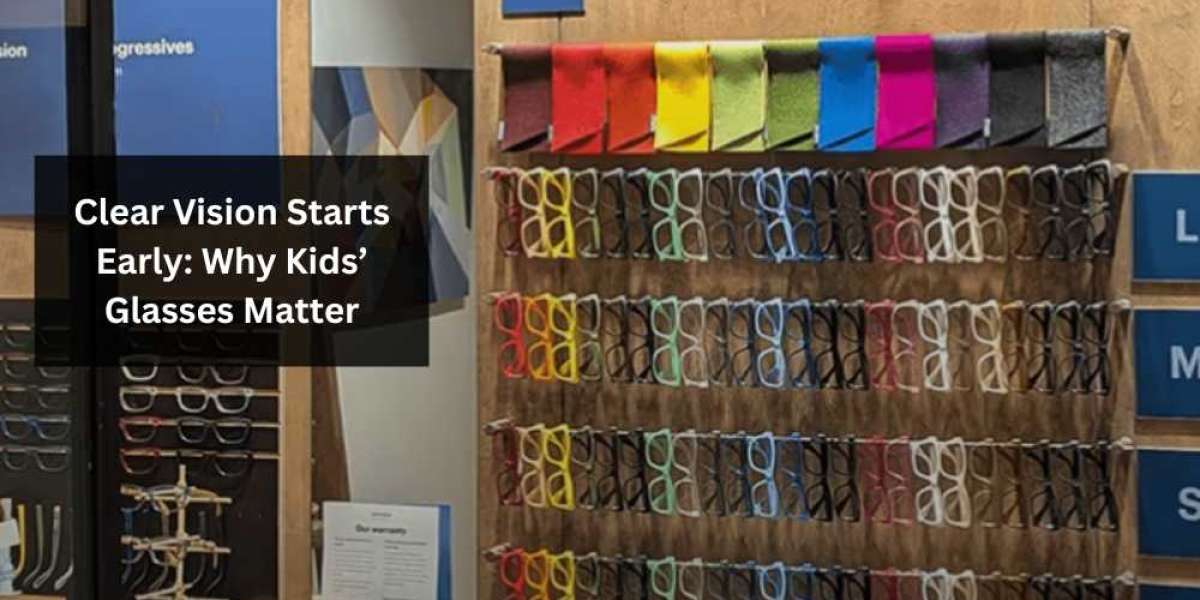

Helping kids stick with their glasses starts with comfort, safety, and a bit of pride. When children know their frames won’t snap during footy or recess, they wear them without fuss. That’s where kids eyeglasses safety tips earn their keep. Parents aren’t after perfection; they want sturdy frames, cushy nose pads, and lenses that shrug off knocks. Fit matters more than fashion, although both help. A secure bridge, arms that don’t pinch, and lightweight make long days easier. If glasses feel right, kids forget they’re there. Then schoolwork sharpens up, sport feels safer, and the world stops looking foggy around the edges. Most days, that’s the whole battle.
How can families find the right fit for children’s eyewear?
Families find the right fit by matching a child’s habits with frames built for movement. Snug without pressure is the target, and balance at the bridge keeps lenses centred.
- Lightweight, hypoallergenic materials prevent rashes
- Polycarbonate lenses improve impact resistance
- Regular tweaks keep alignment true
Small fittings matter: bridge width, pantoscopic tilt, and how curls sit behind the ears. If frames slip, kids push them up, smudging lenses and losing focus in class. Sporty kids need flexible hinges; bookish kids still benefit from cushy nose pads for long stints. Measure the pupillary distance properly so the optical centre lines up with where they look. When in doubt, pop back for a quick refit; five minutes can spare months of nagging. For specifics on shapes and sizes, try kid-proof frame choices.
Why are lens materials crucial for safety and vision?
Lens materials are crucial because they determine clarity and protect small eyes. Polycarbonate beats standard plastic for impact resistance without extra weight.
- UV protection is built into the lens
- Scratch-resistant coating survives school bags
- An anti-reflective finish helps with whiteboards
Clear lenses make reading easier and team sports safer. Impact-resistant materials don’t just avoid shattering; they also handle the daily knocks of lockers, backpacks, and weekend sports. Coatings reduce glare on bright courts and classroom screens, cutting eye strain. Keep lenses clean with microfibre—no shirt hems, please—and replace badly scratched lenses promptly, because haze makes kids abandon their glasses.
What helps children feel confident wearing their glasses?
Kids feel confident when glasses look like them and stay out of the way. Comfort plus personal style turns a “must-wear” into a daily habit. Let them choose colours that match their favourite jumpers or team kits. Frames that sit still during cartwheels and running games quietly build trust. Praise helps too: a quick “nice specs” from a teacher can change how a child sees themself. If the fit is right and the look feels theirs, the glasses stop being medical and start being part of their kit, like boots or a backpack.
Conclusion
Starting early with safe, well-fitted eyewear builds lifelong habits of care and confidence. Parents who pay attention to fit, materials, and comfort set their children up for success in vision and self-esteem alike. Choosing glasses that grow with your child isn’t just about clearer sight—it’s about giving kids the freedom to see, play, and live without limits.