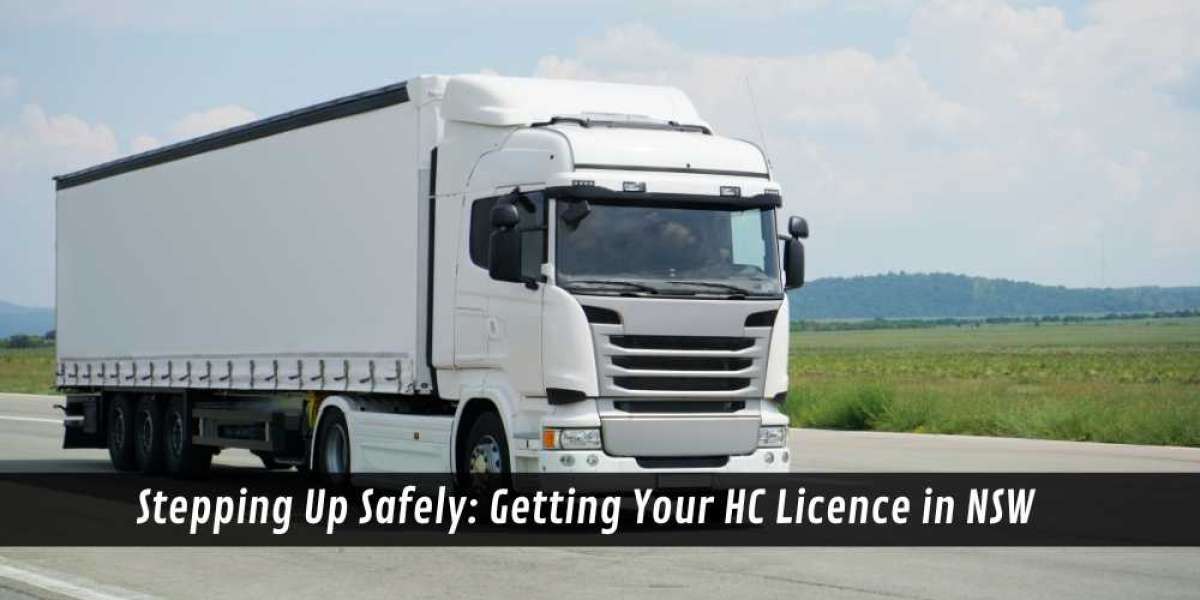

Thinking about stepping up to heavy combination work across NSW? The jump from medium rigs to HC isn’t just paperwork; it’s about proving road sense, precision, and readiness for bigger loads. Before you book anything, it helps to understand the hc licence requirements in NSW. From experience on the road to vehicle class limits and competency-based assessments, each piece fits together like a well-set trailer. Get the sequence right and the process feels straightforward. Miss a step and you burn time and money. We’ve pulled together a pragmatic view of what matters, why assessors care, and how to pace your prep without overcooking the budget. Simple, steady, safe progress.
What steps secure an HC licence?
Securing an HC licence in NSW requires meeting eligibility rules, completing supervised training, and passing a competency based assessment. You’ll need the right class upgrade, seat time in gear, and proof you can execute under pressure; fitness to drive checks and tidy paperwork finish the job.
Most drivers start with an eligibility once over, age, class, medical status, and logbook history. Training then targets coupling and uncoupling, reversing, gear control, and defensive scanning through mixed traffic. You book the assessment when consistency shows up every session, not just on a lucky run.
As you map training blocks, tie them to [HC training and assessment flow](INTERNAL LINK PLACEHOLDER) so every hour stacks neatly toward test day.
How do assessors judge competence?
Assessors judge HC licence competence by testing smooth control, hazard anticipation, and safe choices in real traffic. They want execution: legal speeds, correct positioning, and clean inputs.
Expect focus on mirrors and blind spots, clutch and gearbox timing, trailer tracking through tight turns, plus straight line and offset reversing. Coupling needs a calm, methodical sequence, pins, latches, lines, leaks. Road rules aren’t theory either; they show in gap selection, signage, and fatigue planning before you even roll.
- Call out hazards to sharpen scanning.
- Keep throttle and brake “no surprises.
- Treat every mirror check as non-negotiable.
What helps you pass first time?
Passing the HC licence test the first time comes down to structured practice, confidence, and preparation that mirrors test conditions. Plan like a job: realistic timeframes, honest feedback, and a checklist you actually use.
Build muscle memory on quiet roads, then add traffic complexity, night runs, or wet conditions. Replicate test loads and likely routes so nothing feels new on the day. Keep documents squared away, arrive early, and run a calm prestart: lights, lines, pins, plates, leaks. When feedback stings, turn it into short drills you repeat until it’s boring, because boring equals predictable, and predictable is safe. It also helps to reflect on real world HC driving to understand what road readiness looks like once the licence is in hand.
Final thoughts
An HC licence isn’t just a ticked box; it’s proof you can manage weight, momentum, and time without rattling other road users. Build habits slowly, then stress test them. Keep the admin clean and the prestarts quieter still. When the assessment comes, you won’t be guessing, you’ll be repeating what you’ve rehearsed. That’s the win: calm control, predictable choices, and a rig that tracks straight, day after day.