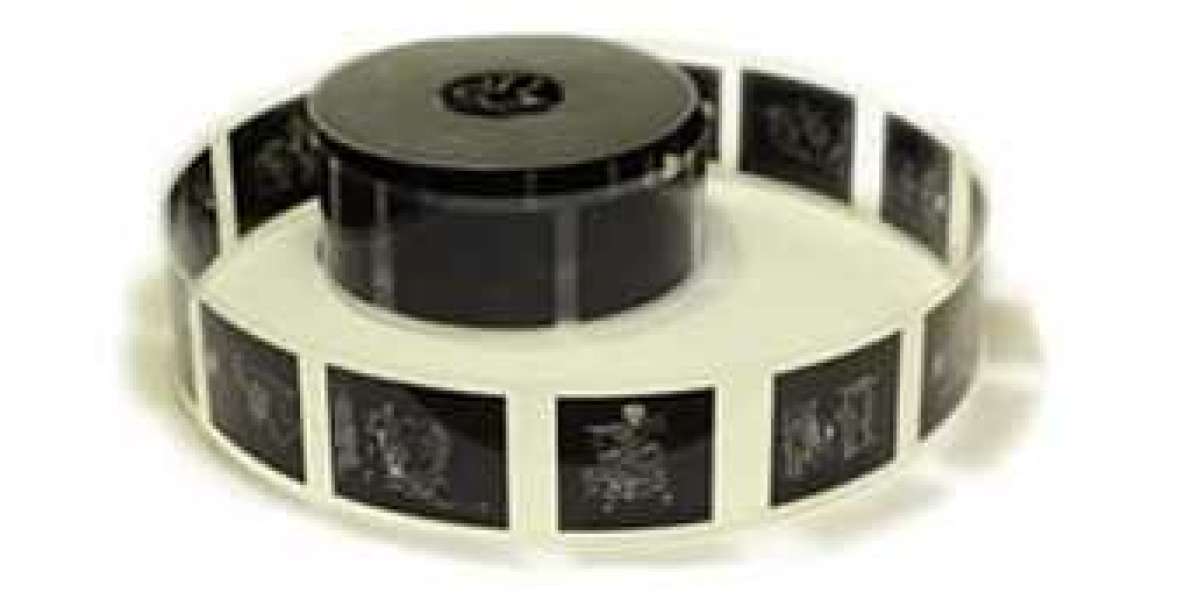

In an era defined by instant access and digital transformation, businesses, schools, and government offices in Canoga Park are realizing the importance of converting outdated media formats into modern digital files. Among these, microfilm conversion to digital in Canoga Park has become a vital process for organizations that value data preservation, efficiency, and security.
Microfilm was once considered a revolutionary storage solution — compact, durable, and capable of holding thousands of records. But as technology evolved, so did the need for faster, more reliable ways to manage information. Today, microfilm has become more of a challenge than a convenience. The good news? With professional scanning solutions available locally, you can now preserve decades of valuable data and make it accessible at the click of a button.
Why Microfilm Conversion to Digital Matters
Microfilm has served libraries, government agencies, and corporations well for decades. It was an excellent medium for long-term storage. However, like all analog formats, it comes with limitations that are hard to ignore in today’s digital-first world.
Here’s why microfilm conversion to digital in Canoga Park is essential:
- Degradation Over Time: Microfilm can fade, crack, or become unreadable due to age, humidity, or improper storage conditions.
- Limited Accessibility: Accessing information requires special microfilm readers, which are increasingly rare and difficult to maintain.
- Manual Retrieval: Finding a single document could take hours, especially if you’re dealing with thousands of reels.
- Risk of Loss: Fire, water damage, or mishandling can permanently destroy critical records.
Digitizing your microfilm eliminates these issues entirely. By converting your archives into digital files, you can store them securely, access them instantly, and share them seamlessly.
The Microfilm Conversion Process: How It Works
When you choose a professional service for microfilm conversion to digital in Canoga Park, the process involves precision, quality control, and advanced technology. Let’s look at how expert scanning companies handle this transformation:
1. Evaluation and Project Planning
The first step involves analyzing the quantity, type, and condition of your microfilm. Whether you have 16mm, 35mm rolls, or aperture cards, professionals create a tailored plan for optimal results.
2. Preparation and Cleaning
Before scanning, each reel or sheet is gently cleaned to remove dust, fingerprints, or debris that could interfere with image clarity. Damaged reels are repaired whenever possible to ensure smooth digitization.
3. High-Resolution Scanning
Using state-of-the-art equipment, each frame is converted into a crisp, high-resolution digital image. This step captures every detail and ensures long-term readability.
4. Image Enhancement and Quality Control
Specialized software enhances image sharpness and contrast, improving legibility. Every image is carefully reviewed to ensure accuracy and consistency throughout the project.
5. Indexing and Metadata Tagging
After scanning, the files are indexed and organized with metadata — making it easy to search for information using keywords, document types, or dates.
6. File Delivery and Secure Storage
Finally, your newly digitized files are delivered in your preferred format — such as PDF, TIFF, or JPEG — and stored securely on cloud servers, hard drives, or document management systems.
This process transforms fragile film archives into powerful, digital resources that can be accessed anytime, anywhere.
The Advantages of Microfilm Conversion to Digital
Choosing microfilm conversion to digital in Canoga Park isn’t just a technical decision — it’s a strategic investment that delivers tangible benefits for your organization.
1. Preserve Historical Data
Microfilm deterioration is inevitable over time. By digitizing, you protect critical records from decay, ensuring that they remain intact and readable for generations.
2. Instant Accessibility
No more searching through drawers or manually scanning film rolls. Digital files can be located instantly using simple keyword searches, improving workflow efficiency.
3. Enhanced Data Security
Digital files can be encrypted, password-protected, and backed up to multiple secure locations, protecting your sensitive information from theft or loss.
4. Save Time and Space
Digitizing eliminates the need for bulky microfilm cabinets, freeing up valuable office or storage space. Plus, staff spend less time hunting for records and more time being productive.
5. Regulatory Compliance
For industries like healthcare, finance, and government, digital records make it easier to meet retention and privacy regulations such as HIPAA or GDPR.
6. Eco-Friendly Archiving
Digital conversion supports sustainability by reducing reliance on physical materials, chemicals, and energy-intensive storage environments.
Industries Benefiting from Microfilm Conversion in Canoga Park
Canoga Park is home to a diverse mix of organizations — from local government offices to schools, healthcare providers, and small businesses. Each of these can benefit from converting microfilm to digital:
- Government Agencies: Land deeds, permits, and court documents can be digitized for easier access and archiving.
- Educational Institutions: Schools and universities can preserve student records, transcripts, and administrative files.
- Medical Facilities: Patient histories and medical imaging can be securely stored and retrieved digitally.
- Libraries and Archives: Historical newspapers, manuscripts, and photos can be digitally preserved for public access.
- Businesses: Corporate contracts, financial records, and HR files become easily searchable and shareable.
Regardless of industry, digitization helps organizations in Canoga Park future-proof their operations and protect their data assets.
Choosing the Right Scanning Partner in Canoga Park
The success of your microfilm conversion to digital project depends heavily on the expertise of your scanning provider. Here’s what to look for when selecting the right partner:
- Experience with large-scale digitization projects
- Use of high-resolution scanners and OCR (Optical Character Recognition)
- Strict data security and confidentiality protocols
- Compliance with industry regulations
- Flexible file formats and delivery options
A trusted provider ensures every frame is scanned accurately and securely, giving you confidence that your archives are in professional hands.
Embrace the Digital Future
In the modern world, data is more valuable than ever — but only if it’s accessible. Holding on to outdated microfilm archives not only risks loss and damage but also slows down your organization’s ability to grow.
With microfilm conversion to digital in Canoga Park, you’re not just preserving your past — you’re investing in your future. You’re unlocking decades of information, enhancing productivity, and ensuring your records are safe, searchable, and ready for tomorrow’s challenges.
So whether you’re a public institution safeguarding community history or a business optimizing its operations, now is the perfect time to make the digital shift. Preserve your records, protect your data, and empower your organization with expert scanning solutions in Canoga Park.