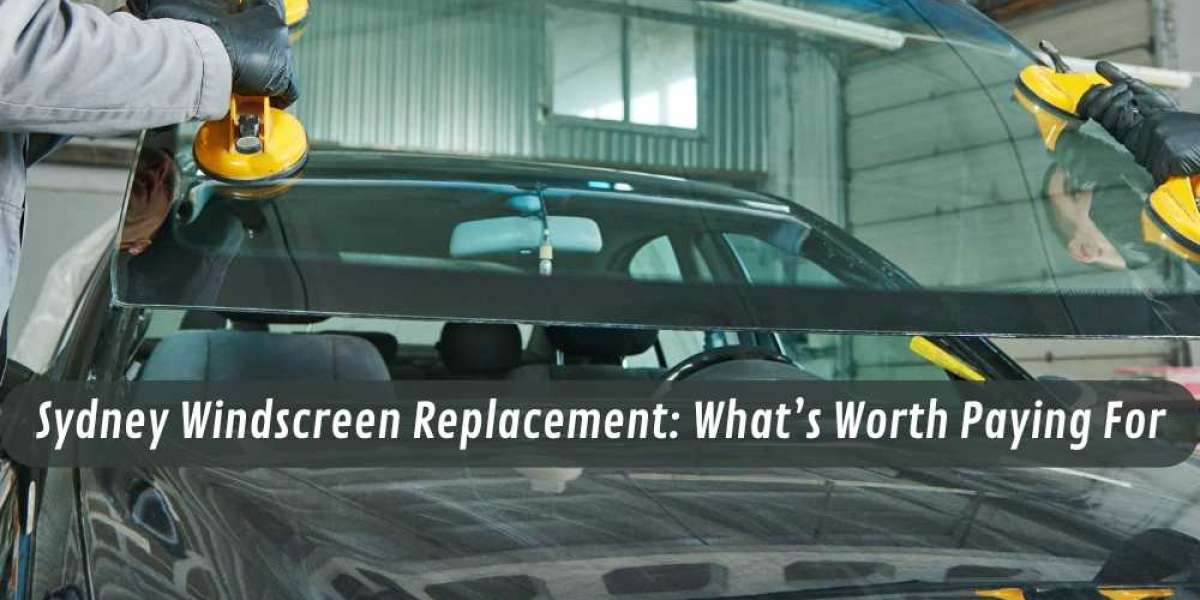

Cracked windscreens don’t book appointments, and Sydney traffic won’t wait for a tidy gap in your week. A hairline chip turns into a full crack with one pothole, a warm day, or a hard stop. Fixing it isn’t just cosmetic; it’s structural, affecting roof strength and airbag timing. That’s why drivers look for affordable car glass Sydney drivers trust, where price, fit, and turnaround actually align. Done right, replacement restores clear sightlines and keeps the cabin rigid under stress. Modern adhesives cure faster, and sensor recalibration protects driver-assist features. Cheap and careful can coexist—but only when technicians follow the process, parts match spec, and corners stay uncut on Sydney roads today.
What makes a reliable windscreen service worth it?
A reliable windscreen service is worth it because it protects safety systems and preserves cabin strength. Cost matters, but the install decides whether airbags deploy properly and the glass stays bonded under load.
Skilled teams explain their process, specify adhesives, and schedule calibration—not just a swap-and-go. We prioritise fit accuracy, clean bonding surfaces, and documented ADAS checks. Mobile is fine when methodical; shortcuts only look cheap upfront. Ask about safe-drive-away times and warranties tied to curing, not clock time. Towards the end of your shortlist, book with providers that publish adhesives used, calibration steps, and leak policies—signals they’ll stand behind the work, not shrug later. Consider trusted Sydney windscreen installers when comparing quotes and methods.
- Certified techs follow OEM procedures
- High-spec urethane improves impact resistance
- Documented ADAS calibration keeps sensors true
- Clear warranty terms reduce risk
How do modern tools improve windscreen accuracy?
Modern tools improve windscreen accuracy by removing guesswork from alignment and calibration. Laser guides, precision mounts, and digital targets place the glass correctly the first time.
Torque-controlled fittings avoid stress points that become cracks months later. Computerised ADAS targets verify cameras and radars after the screen goes in, preserving lane-keep and AEB performance. Cure monitoring prevents premature release in warm Sydney weather. The result isn’t just cleaner installs—it’s fewer leaks, squeaks, and comebacks, which is where real savings hide.
- Laser alignment reduces human error
- Digital targets verify sensor position
- Cure tracking prevents early release
- Spec-matched glass limits distortions
What trends are shaping windscreen replacement?
Trends shaping windscreen replacement in 2025 include lighter, stronger laminates and smarter coatings that cut glare and heat. There’s also more recycling of damaged glass, shrinking landfills without compromising clarity.
Repair resins are clearer and tougher, making small saves less noticeable when caught early. We’re also seeing AI-assisted diagnostics and better mobile setups that bring workshop precision to the driveway. For drivers, that means tighter quality control, faster safe-drive-away times, and pricing that reflects process rather than hype.
Conclusion
Windscreen replacement is ultimately about restoring safety, visibility, and confidence. Pay for precision—quality glass, the right urethane, and verified calibration—and you’ll only pay once. If you want a final sense check on where pricing and tech are heading, recent windscreen costs and tech trends show why careful methods now save headaches later.