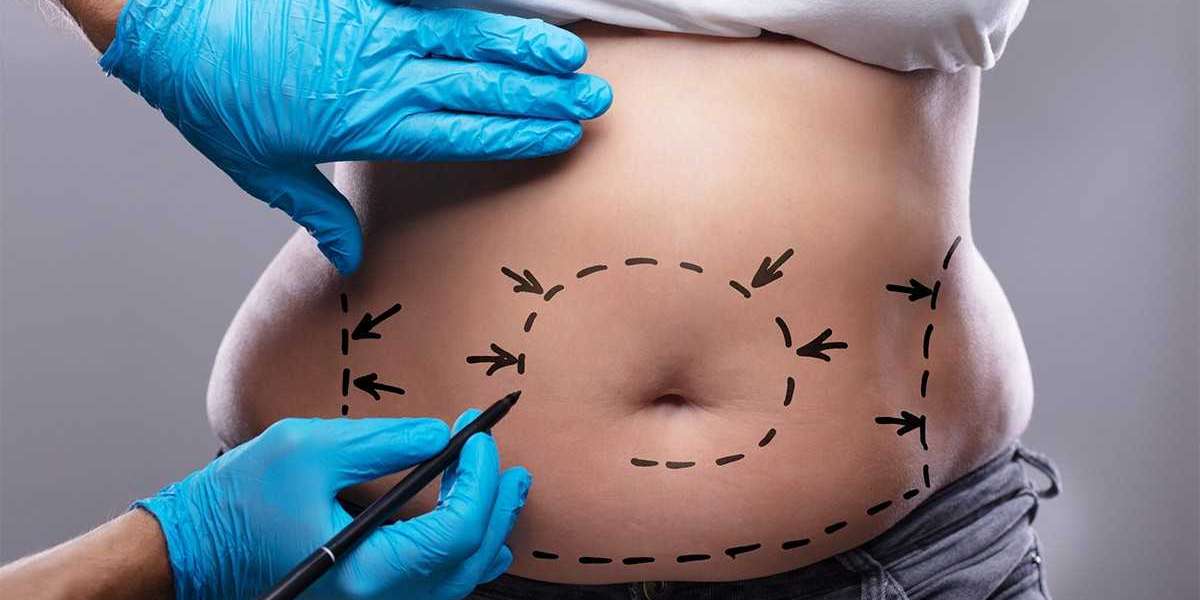

Abdominoplasty, commonly known as a tummy tuck, is a transformative procedure designed to remove excess skin, tighten abdominal muscles, and reshape the midsection. While the results are often life-changing, patients may be concerned about post-surgical scars.
Understanding how scars form and what steps you can take to minimize their appearance is crucial for achieving smooth, aesthetically pleasing results. With the right care and guidance, most abdominoplasty scars fade over time and become barely noticeable.
For patients in Pakistan, abdominoplasty in Islamabad offers access to experienced surgeons who specialize in minimizing scarring while providing excellent tummy tuck results.
Why Scars Form After Abdominoplasty:
Scarring is a natural part of the healing process. During an abdominoplasty, incisions are made to remove excess skin and repair underlying muscles. As the body heals, collagen forms to close the incision, which results in a scar.
Factors that influence scar formation include:
Skin type and genetics: Some individuals are prone to thicker, more noticeable scars.
Age: Younger skin may heal faster but can sometimes form more visible scars.
Surgical technique: Precise incisions and careful closure reduce the risk of prominent scarring.
Post-operative care: Following your surgeon’s instructions plays a significant role in scar minimization.
Understanding these factors allows patients to take proactive steps to support optimal healing.
Surgical Techniques That Minimize Scarring:
Surgeons employ advanced techniques to ensure minimal scarring during abdominoplasty. Key approaches include:
Low, discreet incision placement: Incisions are typically placed along the bikini line, hidden under clothing.
Tension-free closure: Properly closing the incision prevents stretching and reduces scar width.
Layered suturing: Multiple layers of sutures support the tissue and minimize visible scarring.
Attention to symmetry and contour: Precise skin trimming ensures scars follow natural body lines.
Choosing an experienced surgeon is crucial for applying these techniques effectively, ensuring scars are as subtle as possible.
Immediate Post-Operative Care for Scar Reduction:
Proper care during the initial weeks after surgery significantly influences scar appearance. Recommended practices include:
Keep the incision clean and dry: Follow your surgeon’s instructions for washing and dressing the wound.
Avoid direct sunlight: UV exposure can darken scars and make them more noticeable.
Wear compression garments: These reduce swelling, support healing tissue, and help scars heal evenly.
Avoid straining the abdomen: Activities that stretch the incision can worsen scarring.
Adhering closely to these guidelines lays the foundation for optimal scar healing.
Tips for Long-Term Scar Minimization:
Scar appearance improves over several months, and there are additional steps to ensure the best possible outcome:
Topical treatments: Silicone sheets or gels can flatten and soften scars.
Massage therapy: Gentle scar massage after initial healing promotes tissue flexibility and reduces thickness.
Moisturization: Keeping the scar hydrated supports skin elasticity.
Healthy lifestyle: Adequate hydration, nutrition, and avoiding smoking help the body repair tissue effectively.
Sun protection: Scars are more sensitive to sunlight for up to a year, so use sunscreen or cover the area.
Consistent care can help scars fade to a fine, light line that blends with your natural skin tone.
Choosing the Right Abdominoplasty Surgeon in Islamabad:
A key factor in minimizing scars is selecting a skilled surgeon. A professional abdominoplasty surgeon in Islamabad ensures:
Expert incision placement: Scars are positioned in discreet, low-visibility areas.
Advanced suturing techniques: Layered, tension-free closures reduce the risk of thick or wide scars.
Personalized post-operative guidance: Surgeons provide detailed care plans to optimize healing and minimize scar formation.
Working with an experienced surgeon significantly increases the likelihood of smooth, subtle scars that complement the aesthetic results of your tummy tuck.
When to Consider Scar Revision:
Although most abdominoplasty scars fade naturally, some may require minor revision if they become raised, thick, or excessively dark. Scar revision techniques include:
Laser therapy: Reduces redness and smooths thickened scars.
Steroid injections: Help flatten raised scars.
Surgical revision: In some cases, a small procedure can remove or improve scar appearance.
Consult your surgeon if you notice any abnormal scar development, as early intervention often produces the best results.
Psychological Considerations and Expectations
It’s important to remember that scarring is a normal part of the healing process. While some individuals may be anxious about scars, most find them to be minor compared to the transformative benefits of abdominoplasty.
Having realistic expectations, following proper care, and trusting your surgeon’s expertise can help you feel confident about your post-surgery appearance.
Conclusion:
Scars are a natural part of abdominoplasty recovery, but with careful surgical planning, proper post-operative care, and guidance from an experienced abdominoplasty surgeon in Islamabad, they can be minimized effectively.
From discreet incision placement to advanced suturing techniques and diligent aftercare, there are numerous strategies to ensure your scars fade over time and complement your newly contoured abdomen.
If you are considering a tummy tuck, choosing abdominoplasty in Islamabad ensures access to expert surgeons who prioritize both aesthetic outcomes and scar minimization. With the right approach, your abdominoplasty results can be smooth, natural, and long-lasting.