
Bitcoin mining has evolved quite a bit from what it used to be, a hobby but it would suit large-scale miners best to remain competitive in this setup today by creating a Bitcoin mining rig so what in the world is a rig anyway how do you create one that is of use and how do you avoid what you don't want we will take you through it step by step so you can construct a mining rig with power, price, and performance in mind
What Is a Bitcoin Mining Rig?
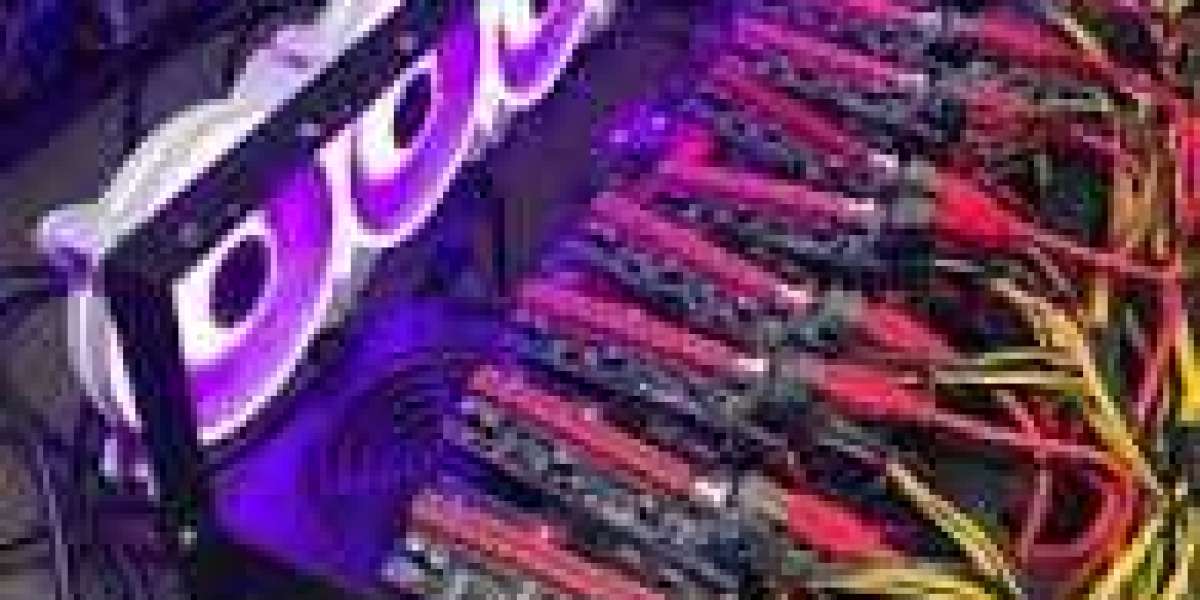
A Bitcoin mining rig is an assembly of hardware specialized to carry out the complex mathematics that is needed in order to secure the Bitcoin blockchain unlike a single machine a rig can be constructed from several pieces compiled together to achieve high throughput
There are two types of general practices
ASIC-based rigs They are built from Application-Specific Integrated Circuits these rigs are highly efficient but restricted to one algorithm (SHA-256 for Bitcoin)
GPU rigs Once popular with Bitcoin now mostly with altcoins as the difficulty of Bitcoin has gone up astronomically
Existing ASIC rigs for Bitcoin today are the benchmark to beat
Critical Components of a Bitcoin Mining Rig
1. ASIC Units
ASICs are the cornerstone of any serious Bitcoin rig Bitmain, MicroBT or Canaan products are the market leaders
2. Power Supply Unit (PSU)
High-quality, efficient PSUs are needed to accommodate the huge power draw one has to buy certified units that deliver stable current
3. Cooling Systems
High-heat density mining rigs generate fans, air ducts, or immersion cooling systems have to be used for continuous operation
4. Frame and Mounting Gear
A sturdy frame holds everything together it also provides maximum airflow averting overheating
5. Monitoring Tools
Hash rate, temperature, and uptime-monitoring software let you view issues before they eat into your wallet
Building a Bitcoin Mining Rig
Step 1: Plan Power Needs
Estimate total wattage your rig will draw
Make sure your electrical circuit can take the load
Don't daisy-chain go with solid cabling
Step 2: Build the Chassis
Screw ASICs tightly into position
Place PSUs near units to minimize cable length
Leave space for airflow
Step 3: Incorporate Cooling
Use massive fans for ventilation
Build intake and exhaust pathways
Liquid cooling or ducting is required for large deployment
Step 4: Connect to Mining Pool
Set wallet and pool information
Test stability before scaling to 24/7 use
Mistakes To Steer Clear Of In Building Bitcoin Mining Rigs
Forgetting cooling Heat-induced tragedies and lower profits
Purchasing old models Mining gets harder older ASICs burn out fast
Noise underestimation Rigs are noisy carefully consider where to place them
Power calculation skipping Too many devices on a single circuit may lead to breaker tripping or result in fire
Scamming Purchase rigs from proven sellers or licensed retailers
Maximizing the Efficiency of Your Rig Tips
1. Maximizing Placement
Install rigs in a cool, dry, and dust-free area
2. Maintenance
Dust decreases cooling efficiency Clean fans, filters, and frames regularly
3. Firmware Update
Companies usually offer updates that increase efficiency or security
4. Join Reliable Pools
Solo mining is not feasible Regular payment and reduced risk are offered by pools
5. Monitor Electricity Prices
Solo-mining in certain areas is feasible only if electricity is cheap Always factor local prices
The Economics of Bitcoin Mining Rigs
Profitability is based on
Bitcoin price volatile will move profits up and down
Your rig's hash rate
Cost of electricity
Mining pool fees usually 1–2%
Compare ROI using online calculators before purchasing a particular rig model
Bitcoin Mining Rig Trends
Immersion cooling Cooling rigs by submerging them in special liquids
Green setups Powering rigs using green sources of power such as hydro or solar
Bitcoin Mining Rigs Future
The more people use Bitcoin the better rigs will become Watch out for
Even superior chips with higher hashes per watt
More use of green mining rigs
Mass-scale mining taking over but small rigs remain profitable for training
Any Bitcoin mining rig calls for planning, investment, and regular maintenance with the use of effective hardware, maintaining cooling, and keeping an eye on trends the miner is able to maximize the prospects of profitability in the long run
Future-proofed networks such as BlockDAG also show how mining will be a leading solution towards securing trailblazing blockchain platforms in the future