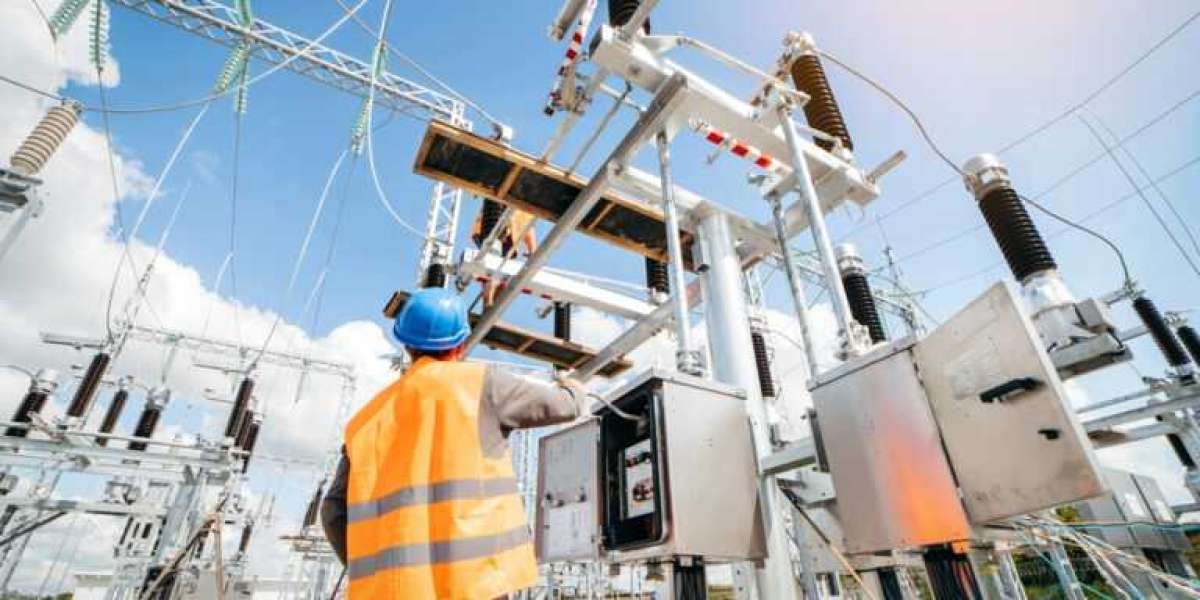

Electricity is a powerful force that drives modern life, but it can also be extremely dangerous if not handled properly. Knowing what is considered high voltage is essential for ensuring safety at home, in workplaces, and on industrial sites. High voltage typically refers to electrical systems with a potential difference above 1000 volts for alternating current (AC) or 1500 volts for direct current (DC). However, these limits can vary depending on regional standards, equipment design, and specific applications.
Exposure to high-voltage electricity can cause severe injuries, burns, or even fatalities. That’s why strict safety measures are necessary when working with or around high-voltage equipment. Professionals must use insulated tools, wear protective gear, and follow established safety protocols to minimize risk. Even small mistakes near high-voltage systems can have serious consequences.
Understanding what is considered high voltage is not just about numbers—it’s about recognizing the potential hazards, applying proper safety procedures, and ensuring compliance with electrical safety standards. Whether you are an electrician, an engineer, or simply someone dealing with electrical equipment, this knowledge is vital for protecting yourself and others. Stay informed, respect the power of electricity, and always prioritize safety when dealing with high-voltage systems.