
Introduction
The telecommunications industry has undergone significant transformations over the past few decades, particularly with the advent of mobile technology and the Internet of Things (IoT). Central to this evolution is the development of battery solutions that power these technologies. This article explores the evolution of telecom battery market solutions and their future prospects.
The Evolution of Telecom Battery Solutions
Early Battery Technologies
In the early days of telecommunications, battery technologies were rudimentary. Lead-acid batteries were the primary choice due to their reliability and low cost. However, they had limitations in terms of energy density and lifespan.
Advancements in Battery Chemistry
With the need for more efficient and longer-lasting power sources, advancements in battery chemistry began to take shape:
- Nickel-Cadmium (NiCd): Offered better energy density and longer life cycles but faced environmental scrutiny.
- Nickel-Metal Hydride (NiMH): Improved energy density and reduced environmental impact, becoming popular in portable devices.
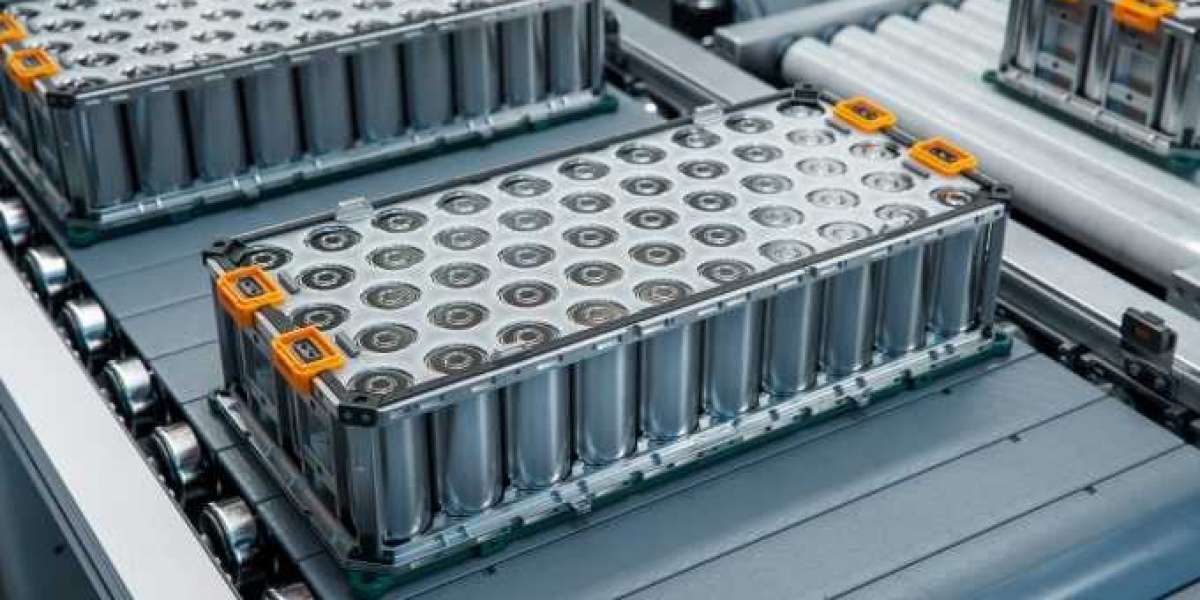
- Lithium-Ion (Li-ion): Revolutionized the industry with higher energy densities, lighter weight, and longer lifespans, making it the standard in modern telecom applications.
Integration with Renewable Energy
The integration of renewable energy sources, such as solar and wind, has become crucial for telecom operations, especially in remote areas. Advanced battery solutions are now designed to work seamlessly with these renewable sources, ensuring uninterrupted service.
Current Trends in Telecom Battery Solutions
Smart Battery Management Systems
Modern telecom systems utilize smart battery management systems (BMS) that monitor battery health, optimize charging cycles, and extend battery life. This technology helps in predictive maintenance, reducing downtime and operational costs.
Energy Storage Solutions
Energy storage solutions, such as flow batteries and solid-state batteries, are emerging as alternatives to traditional lithium-ion batteries. They promise longer lifespans, enhanced safety, and the ability to store larger amounts of energy, which is critical for telecom infrastructure.
Sustainability Initiatives
With growing environmental concerns, telecom companies are prioritizing sustainability in their battery solutions. This includes:
- Recycling Programs: Implementing systems to recycle old batteries efficiently.
- Eco-friendly Materials: Researching and developing batteries using biodegradable or less harmful materials.
The Future of Telecom Battery Solutions
Next-Generation Battery Technologies
The future of telecom battery solutions lies in the development of next-generation technologies:
- Lithium-Sulfur Batteries: Promising higher energy density and lower costs.
- Solid-State Batteries: Offering enhanced safety and performance by replacing liquid electrolytes with solid materials.
- Graphene Batteries: Potential for ultra-fast charging and significantly longer lifespans.
5G and Beyond
The rollout of 5G technology demands higher energy efficiency and reliability. Battery solutions will need to evolve to support the increased data traffic and connectivity requirements, ensuring that telecom networks can handle the demands of the future.
Decentralized Energy Solutions
As telecom networks become more decentralized, energy solutions will need to adapt. This includes microgrids and localized energy storage systems that can provide power autonomously, reducing reliance on traditional power sources.
The evolution of telecom battery solutions has been marked by significant technological advancements and a shift towards sustainability. As the industry moves forward, the focus will be on developing innovative, efficient, and environmentally friendly battery technologies that can meet the demands of an increasingly connected world. The future looks promising, with exciting developments on the horizon that will power the next generation of telecommunications.