
Within the bustling halls of an NHS hospital in Birmingham, a young man named James Stokes carries himself with the measured poise of someone who has found his place. His smart shoes whisper against the floor as he exchanges pleasantries with colleagues—some by name, others with the universal currency of a "hello there."

James displays his credentials not merely as a security requirement but as a testament of inclusion. It sits against a neatly presented outfit that betrays nothing of the difficult path that preceded his arrival.
What separates James from many of his colleagues is not visible on the surface. His demeanor reveals nothing of the fact that he was among the first beneficiaries of the NHS Universal Family Programme—an undertaking designed specifically for young people who have been through the care system.
"I found genuine support within the NHS structure," James explains, his voice measured but carrying undertones of feeling. His statement captures the heart of a programme that seeks to reinvent how the enormous healthcare system views care leavers—those vulnerable young people aged 16-25 who have transitioned from the care system.
The numbers reveal a challenging reality. Care leavers commonly experience greater psychological challenges, financial instability, housing precarity, and lower academic success compared to their age-mates. Beneath these clinical numbers are human stories of young people who have maneuvered through a system that, despite good efforts, frequently fails in providing the stable base that shapes most young lives.
The NHS Universal Family Programme, initiated in January 2023 following NHS England's pledge to the Care Leaver Covenant, embodies a significant change in organizational perspective. At its heart, it accepts that the complete state and civil society should function as a "collective parent" for those who have missed out on the security of a typical domestic environment.
Ten pathfinder integrated care boards across England have charted the course, developing structures that rethink how the NHS—one of Europe's largest employers—can extend opportunities to care leavers.
The Programme is thorough in its approach, starting from thorough assessments of existing procedures, establishing oversight mechanisms, and garnering leadership support. It understands that meaningful participation requires more than noble aims—it demands practical measures.
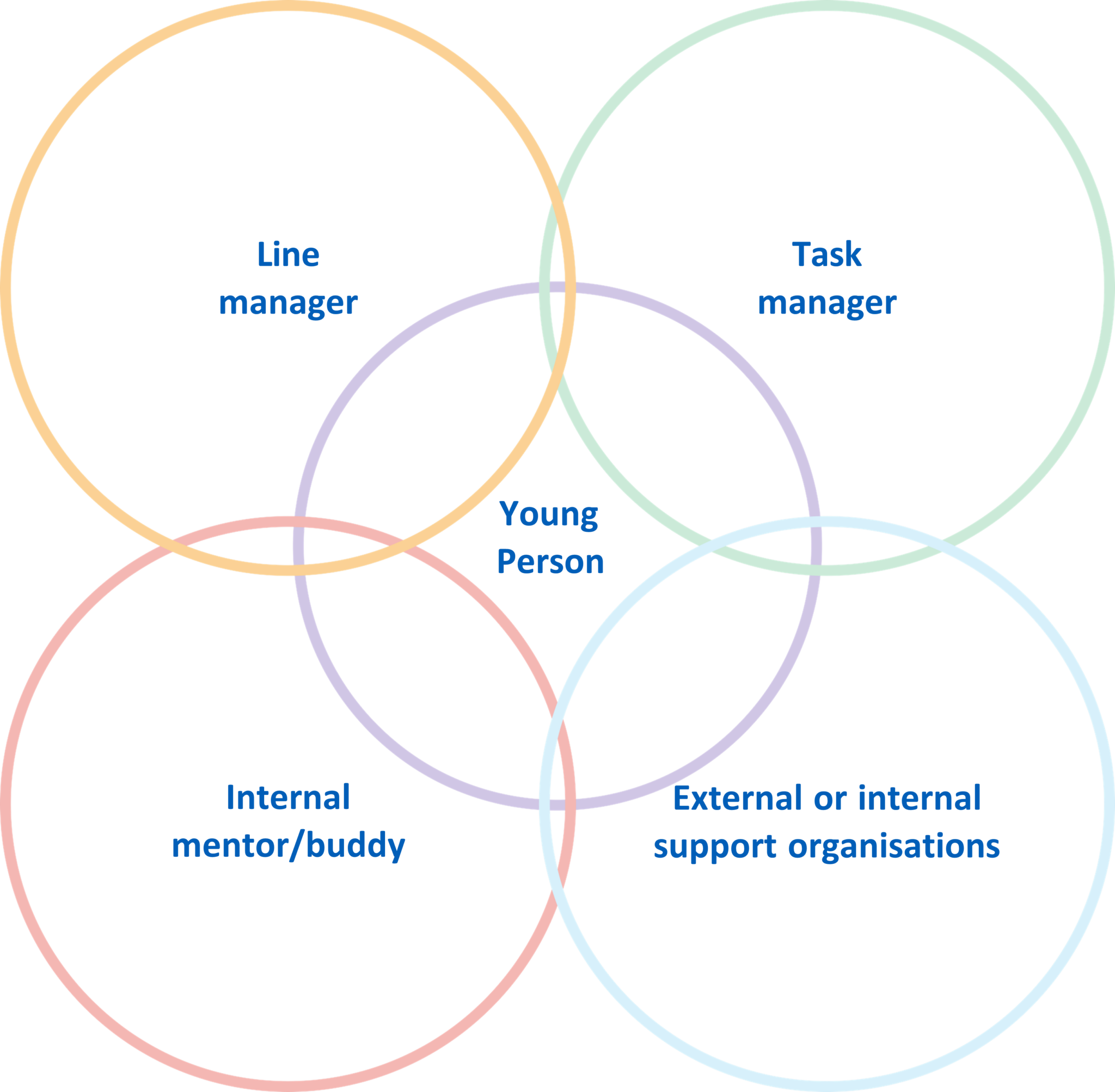
In NHS Birmingham and Solihull ICB, where James found his footing, they've created a reliable information exchange with representatives who can offer assistance and counsel on mental health, HR matters, recruitment, and equality, diversity, and inclusion.
The conventional NHS recruitment process—formal and potentially intimidating—has been intentionally adjusted. Job advertisements now emphasize personal qualities rather than long lists of credentials. Application procedures have been reconsidered to address the specific obstacles care leavers might experience—from missing employment history to struggling with internet access.
Perhaps most significantly, the Programme recognizes that starting a job can present unique challenges for care leavers who may be navigating autonomy without the backup of familial aid. Concerns like travel expenses, proper ID, and bank accounts—considered standard by many—can become major obstacles.
The elegance of the Programme lies in its meticulous consideration—from explaining payslip deductions to helping with commuting costs until that critical first wage disbursement. Even apparently small matters like rest periods and office etiquette are deliberately addressed.
For James, whose professional path has "transformed" his life, the Programme offered more than employment. It gave him a perception of inclusion—that ineffable quality that grows when someone is appreciated not despite their background but because their particular journey enhances the organization.
"Working for the NHS isn't just about doctors and nurses," James observes, his gaze showing the modest fulfillment of someone who has found his place. "It's about a community of different jobs and roles, a group of people who truly matter."
The NHS Universal Family Programme represents more than an employment initiative. It functions as a strong assertion that systems can change to include those who have known different challenges. In doing so, they not only transform individual lives but enrich themselves through the unique perspectives that care leavers provide.
As James moves through the hospital, his participation quietly demonstrates that with the right support, care leavers can thrive in environments once considered beyond reach. The embrace that the NHS has offered through this Programme represents not charity but recognition of hidden abilities and the profound truth that all people merit a family that believes in them.