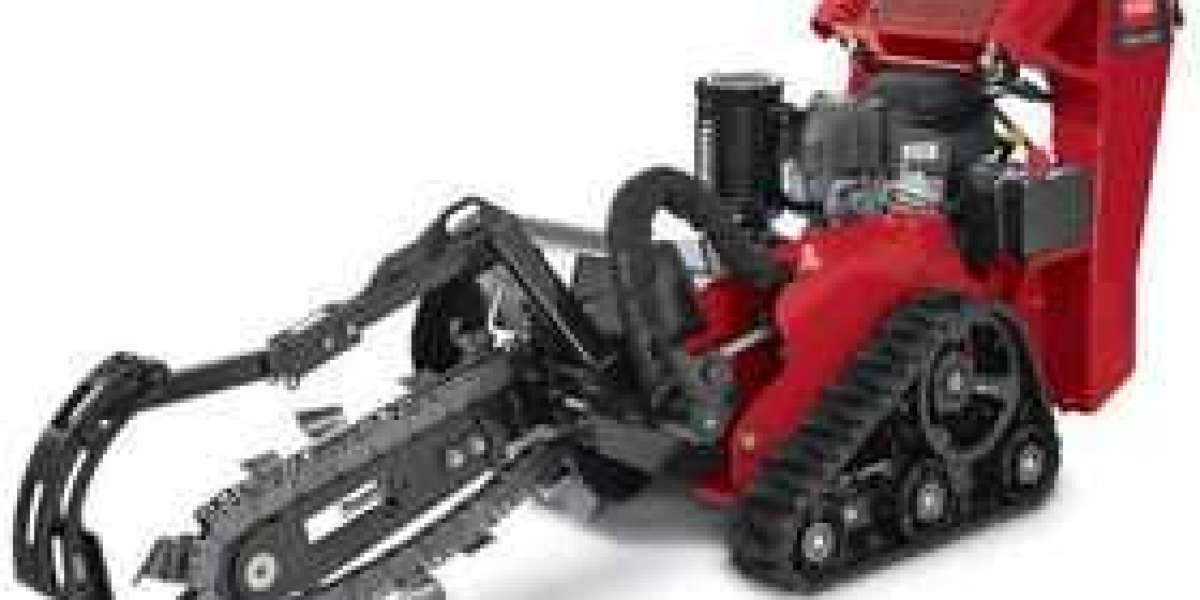

When it comes to construction, landscaping, or utility projects, having the right tools can make a massive difference in efficiency and accuracy. One such tool that professionals and DIY enthusiasts often need is a trencher. Instead of purchasing one outright, many opt for trenchers for rent, which provide flexibility, affordability, and convenience. This guide explores why renting trenchers is a smart choice, the different types available, and tips to maximize value.
Why Renting a Trencher is Better Than Buying
Purchasing heavy equipment like a trencher involves a significant upfront investment, ongoing maintenance, and storage concerns. For many people, it makes more sense to look for trenchers for rent, especially when the equipment is only required for short-term projects. Renting eliminates the cost of repairs, ensures access to the latest models, and allows you to pay only for the time you actually use the equipment.
- Cost Savings: Renting avoids thousands of dollars in purchase costs.
- No Maintenance: Rental companies maintain their equipment.
- Flexibility: Choose the right trencher size and type for each project.
Types of Trenchers Available for Rent
When searching for trenchers for rent, it’s essential to understand the various types and their applications:
- Walk-Behind Trenchers
Perfect for smaller residential tasks like installing irrigation systems or electrical lines. They are compact and easy to maneuver.
- Ride-On Trenchers
These are larger and more powerful, designed for commercial or large-scale projects. They can cut deeper and wider trenches.
- Chain Trenchers
Equipped with a chainsaw-style digging mechanism, they are best for creating precise trenches in soil.
- Wheel Trenchers
Featuring a toothed metal wheel, these are effective for cutting through harder ground and pavement.
Choosing the right trencher ensures efficiency and reduces project completion time.
Key Applications of Trenchers
Renting trenchers offers versatility for a wide range of projects. Common uses include:
- Installing irrigation systems.
- Laying pipes or cables underground.
- Preparing drainage systems.
- Building foundations for landscaping projects.
With trenchers for rent, you can match the machine to your specific task without making a long-term commitment.
Tips for Renting Trenchers
To make the most of your rental experience, keep these tips in mind:
- Understand Your Project Needs
Calculate the depth and width required for the trench to select the right machine size.
- Check Rental Policies
Review rental terms, including delivery options, hourly vs. daily rates, and insurance requirements.
- Inspect the Equipment
Always inspect the trencher before use. Check blades, chains, and safety features to ensure they’re in working condition.
- Plan Efficiently
Organize your project so that all trenching work is done within the rental period, saving time and money.
Benefits of Choosing Trenchers for Rent
- Convenience: Get the machine when needed without long-term obligations.
- Access to Latest Equipment: Rental companies regularly update their inventory.
- Scalability: Choose machines that suit small or large projects.
Renting gives both contractors and homeowners the ability to complete trenching tasks professionally without overspending.
Conclusion
Opting for trenchers for rent is a cost-effective and practical solution for anyone tackling construction or landscaping projects. Whether you need a walk-behind trencher for small residential work or a ride-on model for large commercial jobs, renting provides flexibility and savings. By understanding project requirements, checking rental terms, and selecting the right machine, you can achieve high-quality results while staying within budget.