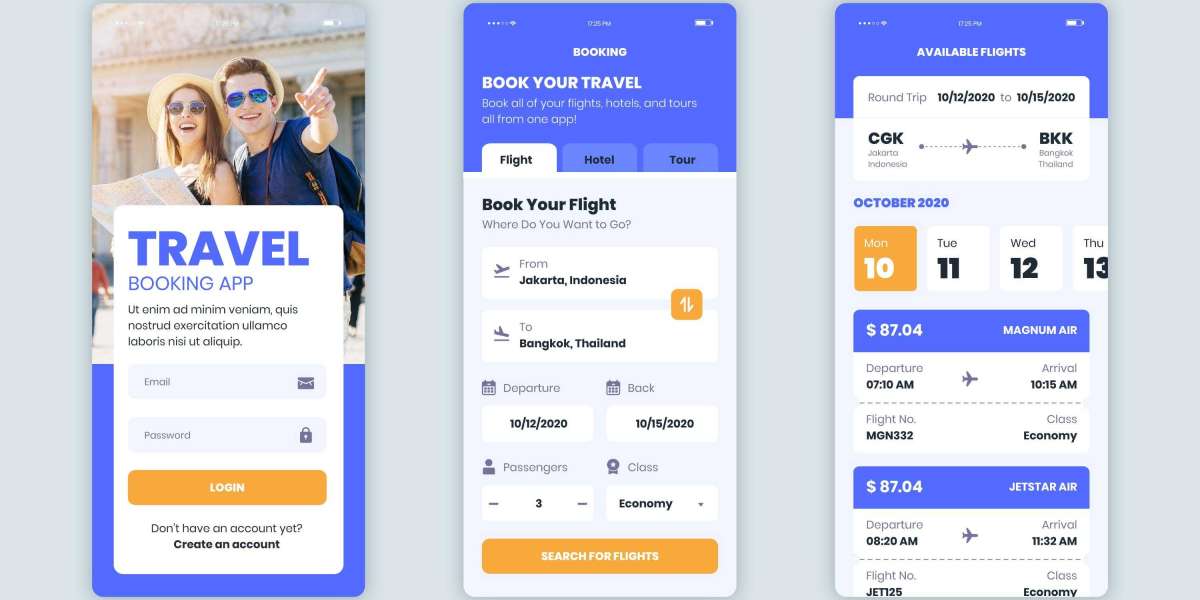

Digital transformation has revolutionized the travel and transportation sector, and one of the most notable advancements is the rise of online bus ticket booking platforms. Today, passengers expect convenience, real-time seat availability, secure payments, and easy cancellations—all accessible through their smartphones. To meet these expectations, businesses are investing heavily in the development of Bus Ticket Booking Apps and Bus Reservation Apps.
However, the success of such apps depends not only on innovative ideas and user-centric features but also on the technology stack chosen during development. A well-chosen tech stack ensures scalability, reliability, performance, and security. In this article, we’ll take a detailed look at the top tech stack for building a bus ticket booking app, covering frontend, backend, databases, APIs, cloud, security measures, and future trends.
What is a Tech Stack in Bus Ticket Booking App Development?
A tech stack refers to the combination of programming languages, frameworks, tools, and software used to build and run an application. For bus ticket booking app development, the stack includes:
- Frontend (client-side): The interface where users interact with the app.
- Backend (server-side): The engine that powers booking logic, payments, and real-time data.
- Database: Stores critical data such as routes, schedules, users, and reservations.
- APIs Integrations: Payment gateways, GPS tracking, notification services, etc.
- Cloud DevOps: Hosting, scalability, and deployment pipelines.
- Security Frameworks: Ensuring safe and compliant transactions.
Choosing the right stack determines how well the bus reservation app development process handles user demand, system growth, and operational complexities.
Core Components of a Bus Ticket Booking App
Before diving into the tech stack, let’s identify the key components required in a bus ticket booking app:
- User App – Allows passengers to search routes, view seat availability, make bookings, and process payments.
- Operator/Driver App – Helps operators manage schedules, reservations, cancellations, and boarding.
- Admin Panel – A centralized dashboard for managing routes, payments, users, buses, and analytics.
- Real-Time APIs – Power essential features like live bus tracking, instant booking, and dynamic pricing.
- Notification System – For booking confirmations, reminders, delays, and cancellations.
To deliver these features seamlessly, the right tech stack for bus ticket booking app development must be carefully chosen.
Frontend Technologies
The frontend is the customer-facing part of a bus reservation app, so it must be intuitive, responsive, and fast.
Mobile Development Options
- Native Development
- Android: Java or Kotlin.
- iOS: Swift or Objective-C.
- Best for performance and platform-specific optimization.
- Cross-Platform Development
- Flutter (Dart): Google’s framework for creating visually consistent apps across iOS and Android.
- React Native (JavaScript): Facebook’s framework for cross-platform development with near-native performance.
- Cost-effective for startups entering the bus ticket booking app development space.
Web Development Options
- React.js – Efficient for building dynamic user interfaces.
- Angular – Best for large-scale web apps with complex structures.
- Vue.js – Lightweight and great for speed-focused projects.
The frontend stack should prioritize UI/UX design, ensuring a smooth booking journey from route selection to ticket confirmation.
Backend Technologies
The backend powers the logic and functionality of a bus reservation app. It manages bookings, payments, seat availability, and security.
Popular Backend Frameworks for Bus Ticket Booking Apps:
- Node.js (JavaScript) – Event-driven, scalable, ideal for handling thousands of concurrent bookings.
- Django (Python) – Secure, flexible, and excellent for rapid development.
- Spring Boot (Java) – Great for enterprise-grade applications needing high reliability.
- Ruby on Rails (Ruby) – Offers rapid prototyping and a developer-friendly environment.
The choice depends on your project’s scale:
- Startups → Node.js or Django for speed.
- Enterprises → Spring Boot for large-scale bus ticket booking app development.
Database Choices
A database is the backbone of bus reservation app development, storing everything from user profiles to seat reservations.
- Relational Databases (SQL):
- MySQL and PostgreSQL – Best for structured data like routes, schedules, and tickets.
- NoSQL Databases:
- MongoDB – Great for unstructured data and high scalability.
- Firebase Realtime Database – Ideal for live seat availability.
- Caching Solutions:
- Redis – Ensures faster loading times and prevents duplicate bookings.
Choosing the right database ensures your app can handle peak traffic periods, such as holiday travel seasons.
APIs and Integrations
Modern bus ticket booking app development relies on third-party integrations for core features:
- Payment Gateways
- Stripe, PayPal, Razorpay for secure online transactions.
- Must ensure PCI DSS compliance.
- Maps GPS Tracking
- Google Maps API or Mapbox for real-time bus tracking and route optimization.
- Communication APIs
- Twilio, SendGrid for SMS/email confirmations and notifications.
- Ticket QR Code Generation APIs
- For digital tickets and easy scanning at boarding points.
APIs reduce development time and enhance the user experience in bus reservation app development.
Cloud DevOps
Scalability is crucial in bus ticket booking app development, as traffic fluctuates dramatically.
- Cloud Hosting Providers: AWS, Google Cloud, Microsoft Azure.
- DevOps Practices: CI/CD pipelines for faster updates and bug fixes.
- Containerization: Docker and Kubernetes for deployment efficiency.
Cloud solutions ensure apps can scale automatically during festive seasons or flash sales, avoiding crashes.
Security Measures
Security is one of the most critical parts of bus reservation app development:
- Payment Security: PCI DSS compliance, tokenization, and SSL encryption.
- User Data Protection: GDPR compliance, secure authentication, and data encryption.
- Fraud Prevention: AI-based algorithms to detect suspicious bookings.
- Concurrency Handling: Prevents double-booking of seats in real-time.
Without strong security, user trust in a bus ticket booking app collapses, making it non-negotiable.
Future Technologies for Bus Ticket Booking Apps
The future of bus ticket booking app development is shaped by next-gen technologies:
- Artificial Intelligence (AI): Personalized route suggestions, predictive pricing models.
- Machine Learning (ML): Smart cancellation predictions and dynamic seat pricing.
- Chatbots: AI-powered support for bookings, cancellations, and FAQs.
- Blockchain: Transparent and tamper-proof transactions for reservations.
- IoT (Internet of Things): Real-time bus tracking, smart bus stops, and connected ticketing systems.
These technologies will enhance bus reservation app development, making systems more user-friendly and reliable.
Cost Factors in Bus Ticket Booking App Development
While this article focuses on the tech stack, businesses must also consider cost implications:
- Frontend Backend Development – Choice of native vs. cross-platform impacts budget.
- Database Cloud Hosting – Scalable systems cost more but ensure long-term savings.
- API Integrations – Each third-party service adds recurring costs.
- Security – Compliance with standards like PCI DSS requires investment.
A well-planned tech stack for bus ticket booking apps reduces long-term maintenance costs.
Conclusion
Choosing the right tech stack for bus ticket booking app development is the foundation of building a successful, scalable, and secure transportation solution. From frontend frameworks like Flutter and React Native, to backend technologies like Node.js and Spring Boot, to databases, APIs, and cloud infrastructure, every component plays a vital role in shaping performance and user experience.
As the travel industry evolves, bus reservation app development will increasingly rely on emotional intelligence (AI), predictive analytics, blockchain, and IoT to meet modern passenger expectations. Businesses that invest in robust technology today will gain a competitive edge tomorrow.
If you’re planning to build a next-generation bus ticket booking app, start by defining your core requirements, selecting a scalable tech stack, and partnering with expert developers who understand both technology and transportation industry demands.