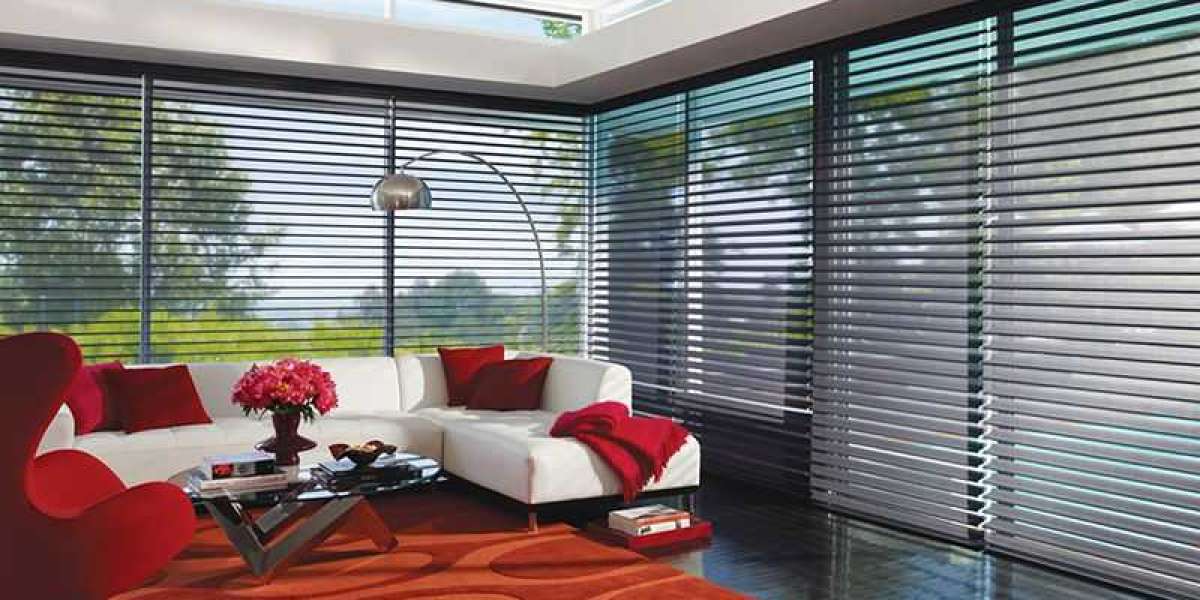

Keeping your home cool during the hot summer months can feel like a constant battle, especially if you live in a warm climate or experience heatwaves. While air conditioning offers a quick fix, it's not always the most eco-friendly or cost-effective solution. Fortunately, the right curtains and blinds can go a long way in helping you keep your home cool, naturally and efficiently.
By choosing the right window coverings, you can significantly reduce indoor heat, cut down on energy bills, and still maintain a stylish interior. This Blinds Dubai blog will guide you through how to use thermal curtains, energy-efficient blinds, and other smart window treatments to block heat, reduce sunlight, and create a cooler, more comfortable living space.
1. Why Window Coverings Matter for Indoor Temperature
Your windows are one of the primary sources of heat gain in a home. Sunlight streaming through glass can raise indoor temperatures rapidly, especially during midday. That’s where window coverings for heat control come in. High-quality curtains and blinds act as a barrier between the sun’s rays and your indoor space, absorbing or reflecting heat before it enters the room.
Investing in proper window treatments not only helps you keep your home cool but also improves privacy, reduces UV damage to furniture, and can even enhance sleep quality in bedrooms.
2. Best Curtain Fabrics for Cooling
Choosing the right curtain fabric plays a crucial role in managing heat. Thick or multi-layered thermal curtains can significantly block sunlight and insulate your space. Here are the most effective curtain types to help regulate indoor temperatures:
Blackout Curtains: Made with tightly woven or layered fabric, blackout curtains block up to 99% of sunlight. They’re perfect for bedrooms or media rooms where you want to eliminate heat and light.
Thermal Curtains: These curtains have a special insulating layer that reflects heat away during summer and retains warmth in winter, making them highly effective year-round.
Light-Colored Linen or Cotton: If you prefer a breezy look, opt for tightly woven, light-colored linen or cotton curtains. They reflect sunlight while allowing some airflow.
Look for curtains with foam backings or thermal lining to improve their cooling efficiency, especially on windows that receive direct sunlight.
3. Energy-Efficient Blinds That Help Cool Rooms
While curtains offer great insulation, blinds give you more control over light and airflow. Some modern blinds are specifically designed to block heat and reduce glare, all while adding a sleek look to your interior.
Cellular (Honeycomb) Blinds: These are among the most energy-efficient blinds available. The honeycomb-shaped cells trap air, forming a barrier between window glass and your room. Choose light-colored cellular blinds to reflect sunlight effectively.
Solar Shades: Also known as screen shades, these are designed to filter UV rays and reduce glare without blocking your view entirely. Ideal for living rooms or home offices with large windows.
Vertical or Horizontal Slatted Blinds: Wood or faux wood blinds can also help reflect heat. By tilting the slats, you can control how much light enters, reducing heat while maintaining privacy.
Aluminum Mini Blinds: These are reflective and work well in kitchens or small rooms that get very hot. While they’re not the most stylish option, they’re practical and affordable.
With the right blinds, you can improve ventilation and adjust light levels depending on the time of day—key tactics in keeping your home cool naturally.
4. Curtain and Blind Placement Tips for Maximum Cooling
It’s not just what you install but how you install it that matters. A few strategic adjustments can increase the efficiency of your curtains and blinds in cooling your home:
Mount curtains as close to the ceiling as possible and let them extend beyond the width of the window. This traps more heat and prevents it from seeping in at the edges.
Use curtain rods that curve towards the wall, often called wraparound rods, to block side light leaks.
Layer blinds with curtains for added insulation. For example, install cellular shades and top them with thermal curtains for a stylish and functional window treatment.
Keep window treatments closed during the hottest parts of the day—usually between 10 a.m. and 4 p.m.—to prevent indoor heat buildup.
By optimizing how your coverings are installed and used, you can make your home significantly more heat-resistant.
5. Room-by-Room Cooling Recommendations
Every room has unique needs depending on its orientation, window size, and use. Here's how to tailor your curtains and blinds for maximum comfort:
Living Room: Use solar shades or sheer curtains layered with heavier thermal drapes. This setup allows natural light while maintaining temperature control.
Bedroom: Install blackout or thermal curtains to block morning heat and improve sleep quality. You can layer them with light sheers for flexibility.
Kitchen: Opt for moisture-resistant blinds like faux wood or aluminum that are easy to clean and can handle heat without warping.
Home Office: Consider light-filtering cellular Blinds and curtains in Dubai shades that reduce glare without darkening the room completely.
Adjusting your window treatments based on the room’s function and heat exposure can help you keep your home cool without sacrificing comfort or style.
6. Stylish and Functional Curtain Ideas for Hot Weather
Curtains don’t need to be heavy and dark to be effective. You can still keep your home cool while maintaining a light, airy look. Here are some style tips:
Use light-colored fabrics like ivory, beige, or pastel blue to reflect sunlight and match summer-themed decor.
Choose natural materials like bamboo or cotton for eco-friendliness and breathability.
Go for minimalist designs—flat panel curtains or roman shades offer a clean, modern look while remaining functional.
Tiebacks and curtain holdbacks can be used creatively to allow airflow while controlling sunlight direction during cooler parts of the day.
Your home decor doesn’t have to suffer just because you’re trying to beat the heat.
7. Long-Term Benefits of Energy-Efficient Window Coverings
Investing in the right curtains and blinds offers more than just seasonal comfort. Here’s what you stand to gain long term:
Lower Energy Bills: Blocking heat reduces your dependency on fans and air conditioning.
Furniture and Flooring Protection: Many coverings also reduce UV damage, preserving your interiors.
Increased Property Value: Homes with energy-efficient features are more attractive to eco-conscious buyers.
Year-Round Use: Most insulating window coverings are dual-purpose—keeping you cool in summer and warm in winter.
So while there may be an upfront cost, the savings and comfort they bring over time are worth it.
Conclusion
As temperatures rise, managing indoor heat becomes essential for comfort, health, and energy efficiency. The right curtains and blinds do more than just decorate—they become powerful tools in your strategy to keep your home cool.
Whether you go for thermal curtains, cellular blinds, or a layered combination, there’s a stylish, cost-effective solution for every room. With thoughtful choices in fabric, color, and installation, you can transform your windows from heat magnets into shields of comfort.
Looking to upgrade your window coverings for heat protection? Start with your sunniest rooms, choose light-colored or insulated materials, and watch as your cooling costs—and discomfort—drop dramatically.