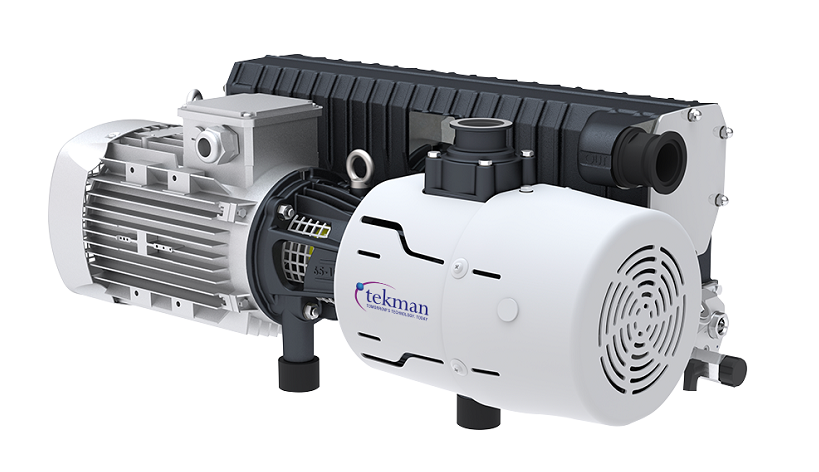
In the realm of industrial vacuum technology, Oil Sealed Vacuum Pumps are recognized as reliable, efficient, and cost-effective systems for generating and maintaining vacuum environments essential to various industries. This in-depth 1200-word blog explores their construction, working principle, advantages, applications, maintenance strategies, and how to choose the right oil sealed vacuum pump for your specific needs.
What is an Oil Sealed Vacuum Pump?
An Oil Sealed Vacuum Pump is a mechanical device engineered to remove gas molecules from a sealed environment, thus creating a vacuum. These pumps utilize specialized oil to seal, cool, and lubricate internal components, enhancing their vacuum-producing efficiency and operational longevity.
The two primary types of oil sealed vacuum pumps include:
Rotary Vane Vacuum Pumps
Rotary Piston Vacuum Pumps
In both designs, the sealing oil prevents backflow of gases, supports deeper vacuum generation, and minimizes wear and tear on critical components.
How Do Oil Sealed Vacuum Pumps Work?
The operational principle revolves around trapping and compressing gas molecules via rotating mechanisms within a sealed chamber:
Gas Inlet: The gas enters through the pump’s intake.
Compression Phase: Rotating vanes or pistons compress the gas while oil forms a seal to prevent leaks.
Exhaust Phase: Compressed gas is expelled through the exhaust outlet.
Oil Circulation: The oil is filtered and recirculated to continuously lubricate and seal the internal parts.
Sealing oil also acts as a coolant, mitigating heat buildup during prolonged operations.
Benefits of Oil Sealed Vacuum Pumps
1. Achieves High Vacuum Levels
Capable of reaching pressures as low as 10^-3 mbar, making them ideal for demanding vacuum applications.
2. Stable, Consistent Performance
With correct maintenance, oil sealed pumps deliver long-term, dependable vacuum performance.
3. Cost-Efficient Solution
Compared to dry vacuum pumps, oil sealed models generally offer lower initial investment and operational costs.
4. Superior Heat Management
The circulating oil absorbs and dissipates heat efficiently, preventing operational failures due to overheating.
5. Contaminant Control
Oil traps dust particles, moisture, and other contaminants, extending the life of internal components.
6. Versatile Industrial Use
These pumps cater to diverse industries, from pharmaceuticals to semiconductor manufacturing.
Key Industrial Applications of Oil Sealed Vacuum Pumps
Pharmaceutical Manufacturing: Used in vacuum drying, distillation, and filtration processes.
Food Industry: Enables vacuum packaging, freeze-drying, and preservation.
Automotive Sector: Applied in brake line evacuation, fluid filling, and A/C servicing.
Scientific Laboratories: Supports controlled vacuum experiments and research.
Electronics Production: Assists in semiconductor wafer processing and vacuum coating applications.
Chemical Industry: Essential in solvent recovery, degassing, and vacuum distillation.
Plastic Molding and Forming: Facilitates vacuum molding operations.
Essential Maintenance Tips for Oil Sealed Vacuum Pumps
1. Oil Replacement Schedule
Replace oil at regular intervals to remove contaminants and maintain sealing efficiency.
2. Check and Maintain Oil Levels
Ensure proper oil levels to support sealing and lubrication functions.
3. Inspect Seals and Gaskets
Look for signs of wear, damage, or leakage.
4. Filter Cleaning/Replacement
Service intake and exhaust filters regularly to ensure unimpeded airflow.
5. Temperature Monitoring
Keep an eye on operational temperatures to prevent overheating.
6. Routine Professional Servicing
Schedule periodic expert inspections for comprehensive system checks.
Oil Sealed vs. Dry Vacuum Pumps: A Comparison
| Feature | Oil Sealed Vacuum Pumps | Dry Vacuum Pumps |
|---|---|---|
| Vacuum Depth | High | Medium |
| Initial Cost | Lower | Higher |
| Maintenance | Regular oil service required | Minimal maintenance |
| Risk of Contamination | Possible oil contamination | Oil-free operation |
| Industrial Versatility | Highly versatile | Specialized use cases |
How to Choose the Right Oil Sealed Vacuum Pump
When selecting an oil sealed vacuum pump, consider these factors:
Desired Vacuum Pressure: Match pump capacity to operational needs.
Required Flow Rate: Ensure sufficient pumping speed for your processes.
Oil Specifications: Use manufacturer-recommended oils to enhance performance.
Environmental Conditions: Assess operating temperatures, humidity, and contaminants.
Maintenance Capability: Choose models aligned with your maintenance infrastructure.
Technical Support and Spare Parts: Partner with suppliers offering prompt after-sales service.
Troubleshooting Common Problems
Loss of Vacuum Performance: Check for contaminated oil, worn components, or clogged filters.
Oil Leaks: Inspect and replace damaged gaskets or seals.
Excessive Heat: Verify oil circulation and cooling.
Noise During Operation: Investigate for bearing wear or low oil levels.
Oil Mist Emission: Ensure exhaust mist filters are operational.
Why Choose Oil Sealed Vacuum Pumps for Your Business?
Oil sealed vacuum pumps provide a practical solution for industries requiring consistent vacuum conditions. Their ability to generate high vacuums, combined with their operational reliability and affordability, makes them indispensable for many businesses.
Their flexibility, coupled with efficient contaminant management and reliable performance, allows manufacturers and research facilities to optimize processes while maintaining product quality and operational safety.
Conclusion
Oil Sealed Vacuum Pumps are fundamental to operations where vacuum environments are necessary for precision, quality, and safety. Understanding how these pumps work, recognizing their benefits, and adhering to proper maintenance protocols enable companies to maximize productivity and equipment longevity.
By investing in high-quality oil sealed vacuum pumps from reputable suppliers and adhering to best practices for maintenance and operation, industries can ensure long-term reliability and cost savings, safeguarding production efficiency and operational continuity.