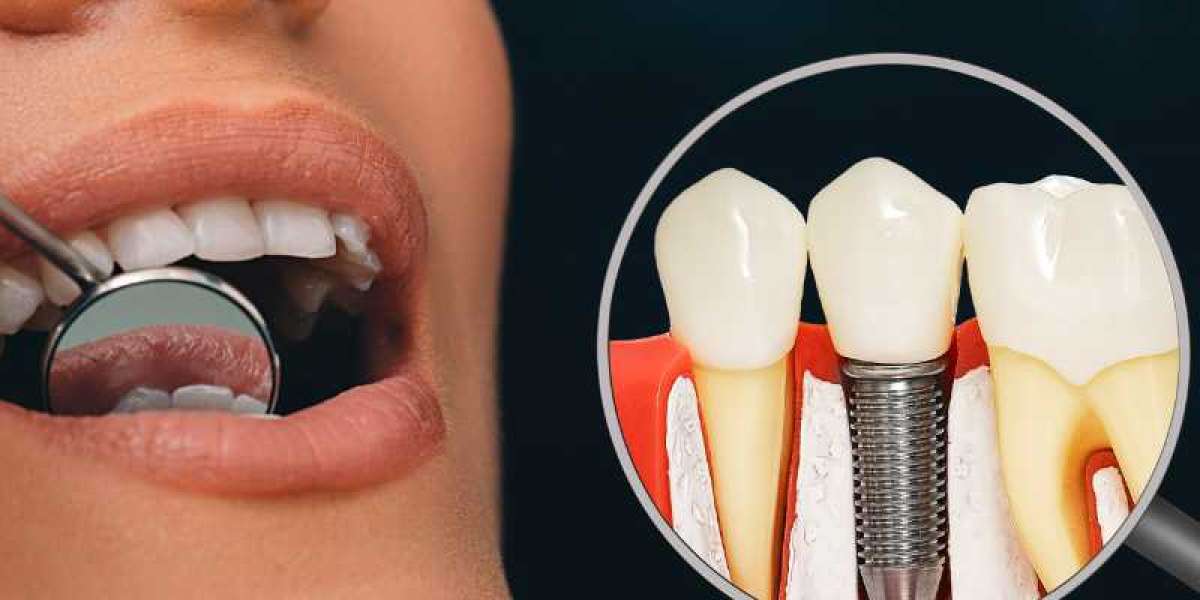

What Are Dental Implants?
Dental implants are small titanium posts surgically placed into the jawbone to replace missing tooth roots. Once healed, they support a crown, bridge, or denture that looks and functions like a natural tooth. Because the implant fuses with the bone over time, the result is secure, stable, and often permanent.
Who Is a Good Candidate?
Dental implants are a great option for many, but not all. Ideal candidates typically:
Have one or more missing teeth
Possess healthy gums and adequate bone density
Are non-smokers or willing to quit during healing
Are in good overall health and committed to oral hygiene
If you have bone loss, bone grafting may be recommended first to ensure long-term implant success.

The Implant Process: What to Expect
The process is typically completed in several stages:
Consultation Planning: A full assessment, including imaging, to determine suitability.
Implant Placement: The post is surgically inserted into the jawbone under local anaesthesia.
Healing Period: Osseointegration takes 3–6 months, during which the implant bonds with the bone.
Restoration: A custom-made crown, bridge, or denture is attached to the implant once healing is complete.
Though it may take a few months, the outcome is worth the wait—a natural-looking, functional tooth replacement.
Benefits of Dental Implants
Stability Function: Chew, speak, and smile confidently—implants won’t slip like dentures.
Bone Health: Implants help prevent bone loss by stimulating the jawbone, just like natural teeth.
Longevity: With proper care, implants can last decades or even a lifetime.
Aesthetics: Custom restorations blend beautifully with your natural teeth.
Potential Considerations
Like any medical procedure, dental implants come with some risks—though they’re minimal when performed by an experienced provider. Possible complications include infection, implant failure, or nerve damage, but these are rare and often preventable with careful planning and aftercare.
It’s also important to note that implants generally require a higher upfront investment than other options, though many patients find the long-term value well worth it.
Caring for Your Dental Implants
Once your dental implant is in place, maintenance is straightforward. Treat it like a natural tooth:
Brush and floss daily
Use an antibacterial mouthwash if recommended
Visit your dentist regularly for checkups and cleanings
Avoid smoking and excessive pressure (like teeth grinding)
With the right care, your implant can serve you for many years with no issues.
Final Thoughts
Dental implants are one of the most effective and life-changing advances in modern dentistry. They provide a permanent, stable, and natural-looking solution for missing teeth—restoring more than just function, but confidence and quality of life too.
If you’re ready to explore whether implants are right for you, book a consultation with a trusted dental professional who understands your needs and goals. With the right guidance, your new smile may be closer than you think.