
You can call it anxiety, hesitation, panic, or just plain fear. The name doesn’t really matter. What does matter is what you do when it shows up. Because fear only knocks when something important is on the other side.
We talk about “stepping outside your comfort zone” like it’s some motivational wallpaper. But when it’s real — when your legs are shaking and your breath is shallow — that step feels more like a free fall. Which, sometimes, it literally is.
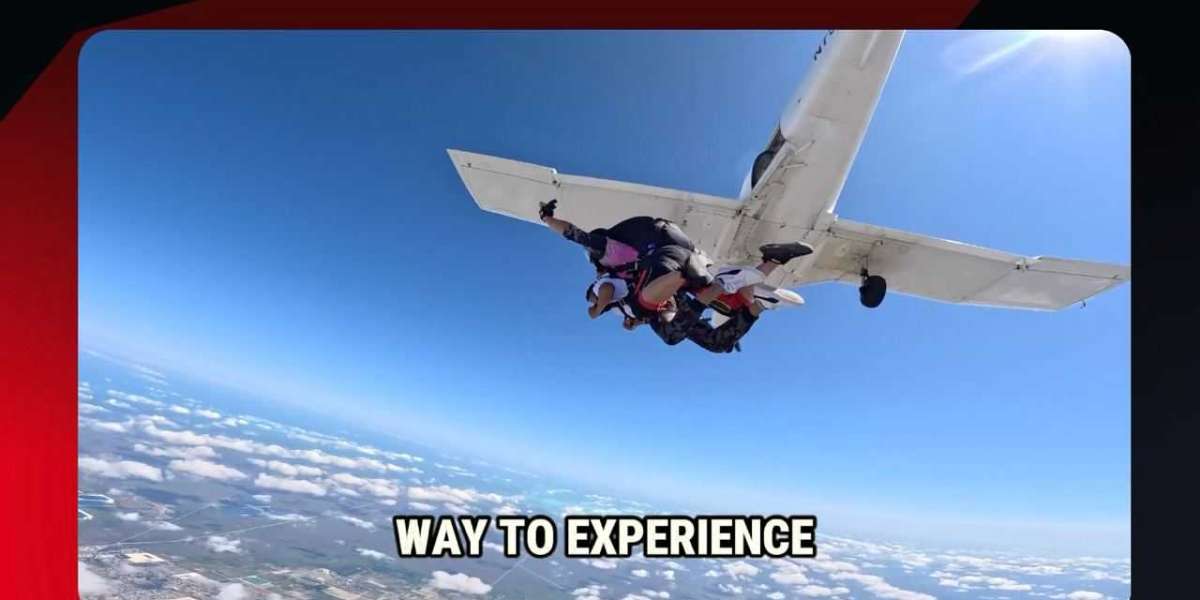
I’ll be honest: nothing ever really prepares you for the first time you’re strapped into a harness, standing at the open door of a plane, 13,000 feet in the air. But here’s what you learn really fast — the fear you’re feeling isn’t the enemy. It’s the checkpoint. It’s your body asking, Are you sure you want to grow right now?
And if you say yes? That’s where things start to change.
Fear Isn’t the Problem — It’s the Signal
Fear exists for a reason. It’s a survival tool, thousands of years old. But here’s the catch — it wasn’t built for modern life. Your brain doesn’t know the difference between real danger and something unfamiliar. Whether you're about to skydive, speak in front of a crowd, or have a hard conversation with someone you love — fear sounds the same.
Your heart races. Your muscles tense. Your mind paints worst-case scenarios faster than you can blink. But here's the twist: that reaction doesn't mean don't do it. It just means, this matters.
The more you learn to see fear as a signal — instead of a wall — the more you realize it’s often guarding the exact thing you need.
Why Managed Risk Builds Real Confidence
We don’t grow by avoiding fear. We grow by moving through it — slowly, intentionally, and with the right support.
There’s a reason people come out of intense experiences like skydiving with a new sense of calm. It's not about the adrenaline. It’s about what the experience shows you: that you can feel fear, and still move.
Skydiving, for example, is structured around safety. There are protocols, professional training, gear checks, and experienced instructors who’ve done thousands of jumps. In that environment, you're not being reckless — you're being guided. You're facing something big, but you're not doing it alone.
That’s what makes it powerful. You’re not just “brave” because you jumped — you’re braver because you learned how to trust yourself in the moment you wanted to back out most.
If you're even slightly curious about what that feels like, places like skydiving los angeles offer a solid first step. The views over the coast are incredible, but what really sticks is what you take home after landing.
Trust Makes the Leap Possible
Ask anyone who’s ever taken a major personal or professional risk, and they’ll usually say the same thing: the fear wasn’t the worst part — the uncertainty was.
That’s where trust comes in. In high-stakes moments, trust is the real fuel. You need to trust your instructor, your equipment, the process — and eventually, yourself.
When you’re trying something for the first time, it’s easy to assume the fear means you’re not ready. But often, it just means you haven’t done it yet. Trust helps you move anyway.
In a jump setting, it’s built from experience and training. In life, it comes from knowing your values, remembering your why, and accepting that discomfort is part of the cost of growth.
The Real Lessons Show Up After the Landing
No one ever says, “I wish I’d stayed scared.” But plenty of people live like that’s true.
What’s surprising isn’t how intense fear can be — it’s how fast it fades once you take action. Fear wants to be believed, but it doesn’t hold up under movement. You do the thing, and the voice that said you can’t suddenly has nothing left to say.
The shift is internal. You don't just come down from the air with a video and a souvenir shirt. You come down with proof — I can handle more than I thought.
It doesn’t mean the fear is gone for good. But it does mean next time, it won’t run the show.
Closing Thoughts: You Don’t Need to Be Fearless. You Just Need to Be Honest.
Let’s be clear: fear doesn’t mean something’s wrong. It means something matters. That edge you feel when you’re about to do something new? That’s the space where things change.
Pushing past fear isn’t about being reckless. It’s about being ready to grow, even if you don’t feel like it yet. It’s about moving anyway, even with the nerves, even with the doubt, even if your knees are shaking.
The first step always feels the hardest. But it’s also the one that unlocks everything after it.
And sometimes, taking that step just looks like saying yes when someone opens the door and asks, You ready?